Can My Dog Get Sick from Killing a Rabbit?
September 18, 2018 · Updated September 1, 2026
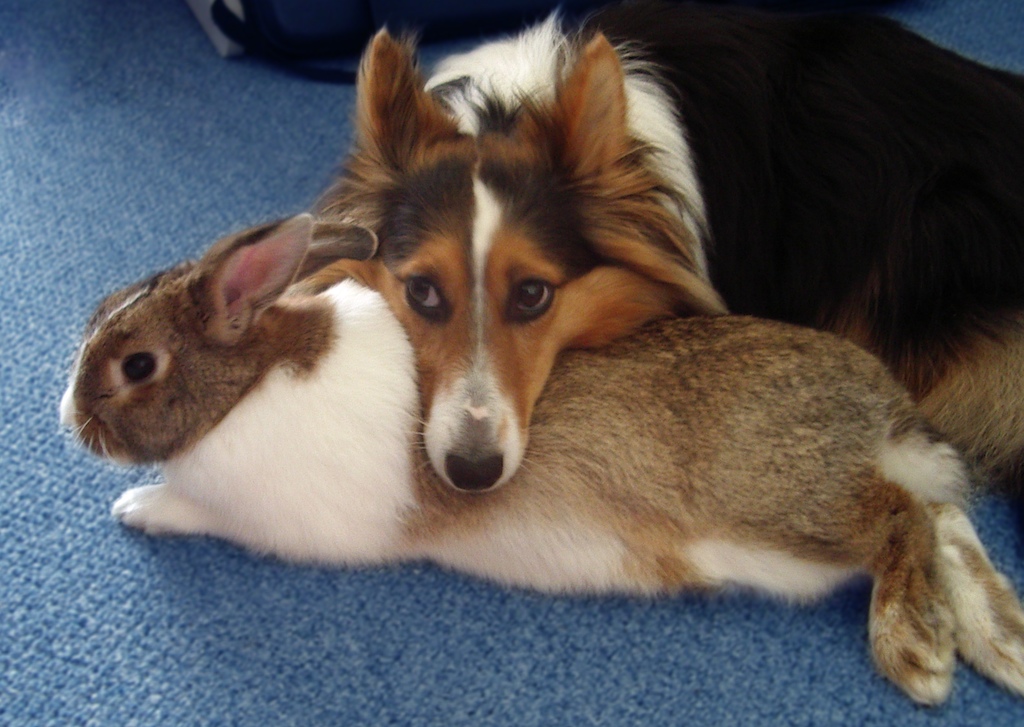
Killing wildlife is not something all dogs take to immediately, being well-fed critters. But those that do can cause their human parents much distress when presented with a bloody carcass first thing in the morning.
Rabbits, especially baby buns, are prime targets for most dogs because they just sit there and don’t move. Their tactic is to lay low and disappear into the background. They know that as soon as they bolt, that bunny tail will flash like a headlight on high beam, breaking their cover and alerting all those around.
So there’s a good chance your dog could kill a rabbit, but don’t be alarmed. Your dog hasn’t been possessed by the soul of Cujo; it’s purely natural, though horrifying all the same. So what do you do?
What to do if your dog kills and eats a wild rabbit
First, check your dog’s medical record to make sure he is up to date with his rabies vaccinations. Rabies is rare in rabbits, but any contact with wildlife is a good prompt to confirm those shots are current.
Wild rabbits often carry fleas and ticks, and those bugs can pass diseases on to your dog. There is no vaccine that protects dogs against fleas or ticks — what does work is a year-round flea and tick preventive prescribed by your veterinarian. Home remedies such as essential oils are not a safe substitute: they haven’t been shown to prevent parasites, and some oils are actually toxic to dogs. If you’re unsure which preventive is right for your pup, that’s a quick conversation to have at your next vet visit.
One risk worth knowing by name is tularemia, sometimes called rabbit fever. It’s a bacterial infection that wild rabbits can carry, and dogs can pick it up by catching or eating an infected rabbit (people can catch it from handling one, too — so use gloves or a bag, not bare hands, when you dispose of the carcass). Watch for fever, lethargy, poor appetite, or swollen glands in the days after the incident, and call your veterinarian if you see any of them.
If your dog eats the rabbit he killed, tapeworms are the other common hitchhiker. Rabbits can carry immature tapeworms in their tissues, and a dog that eats them can end up hosting the adult worms. Let your vet know what happened — they can recommend the right deworming treatment rather than you guessing at an over-the-counter product. You’ll also want to make sure Fido doesn’t lavish big, wet kisses on you at this time!
Observe your dog over the next few days and watch for signs of illness like loss of appetite, fever and lethargy. If he does show changes in behaviour and health, take him to the vet right away.
To prevent this incident from happening again, it would be a good idea to rabbit-proof your backyard. This will also keep the rabbits from pooping in your yard and tempting your dog with a tasty, potentially harmful treat — and eating droppings is a habit worth discouraging anyway.