Can My Pets Get Bird Flu?
June 1, 2022
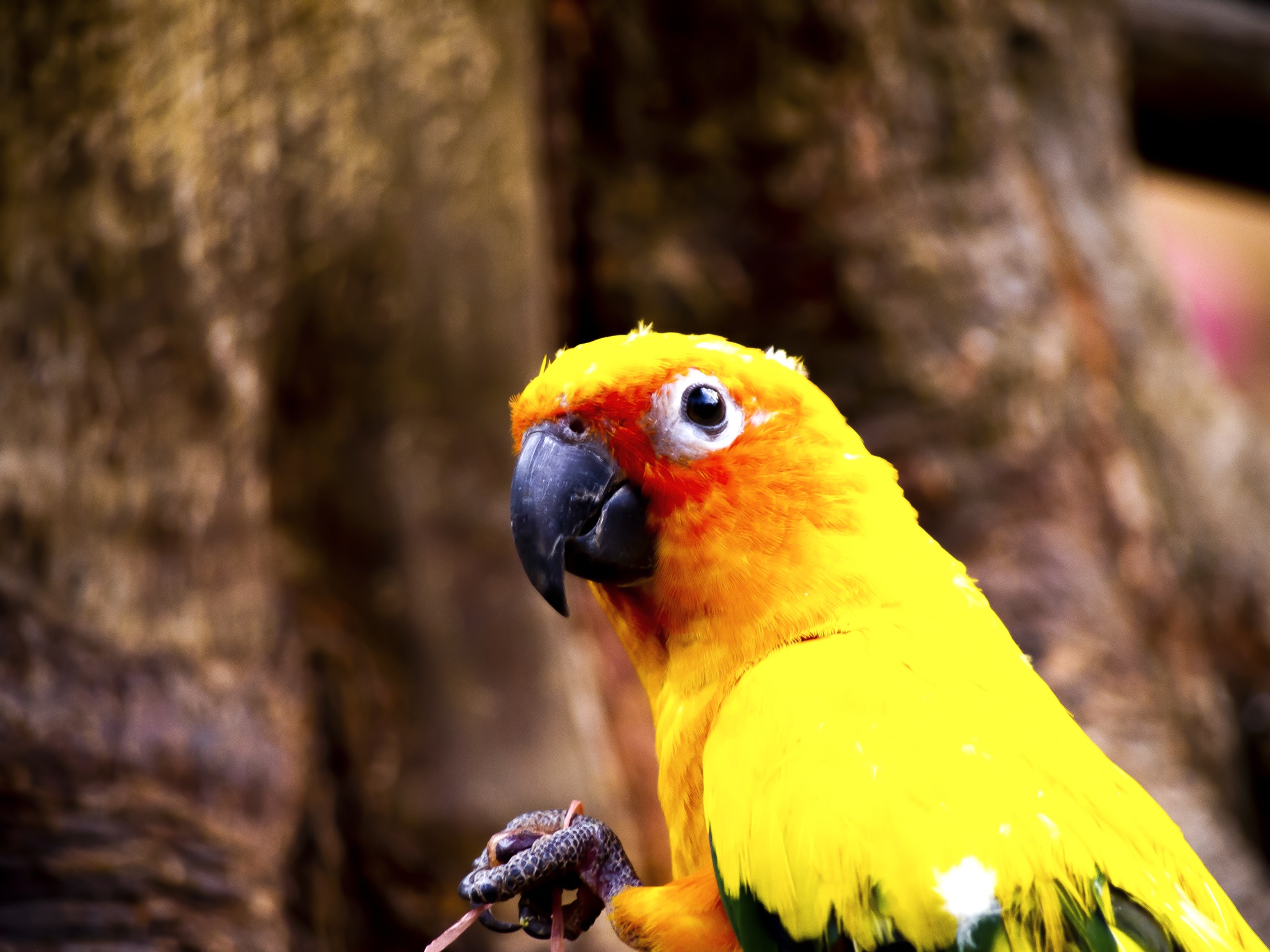
As if we don’t have enough to worry about with Covid, news of an outbreak of bird flu is spreading across North America like wildfire.
This news has many pet parents worried about the health and safety of their beloved pets. Are they in danger of contracting avian flu?
According to the CDC, here’s what you need to know:
- Dogs, cats and pet birds can catch the H5N1 virus, but it is very rare.
- No reports of H5N1 in dogs and cats has been reported in the U.S.
- More than 30 states have confirmed cases of bird flu in America.
- The virus spreads through the saliva, mucus and feces of infected animals.
- Humans can contract the H5N1 avian flu virus, but like pets, the risk is very low.
- The USDA and veterinarians must alert the public if they find any test-positive cases.
It didn’t take long for the highly pathogenic H5N1 strain of avian flu to spread across the border into Canada (and in fact, to other parts of the world).
The Canadian Food Inspection Agency officials have reported hundreds of thousands of cases of bird flu affecting poultry farms in every province in Canada:
- More than 260,000 birds have been euthanized or killed by the virus in Canada.
- Approximately 166,000 of those were in Alberta and 84,000 were in Ontario.
According to the CFIA, this most recent outbreak of avian influenza is not a significant public health concern for healthy people, but everyone must take care not to come into contact with infected birds.
The Animal and Plant Health Inspection Service issued this warning for pet parents:
"Dogs and cats should not be allowed to have contact with infected poultry or carcasses, not only to protect the pet but to prevent them from spreading the virus to other poultry flocks. In areas where wild bird die-offs are occurring, cats should be kept inside and dogs kept on leash to avoid contact with sick or dead birds."
Health experts have issued strong warnings against hanging out bird feeders until the outbreak has subsided. The H5N1 virus can easily spread to wild birds that in turn infect many other birds in larger areas. In Georgia, several bald eagles have fallen prey to the avian flu and this is likely to affect other birds and wild animals.
Take Precautions Against H5N1 Avian Bird Flu
Experts agree that some safe practices at home can lower your pet’s risk of contracting the H5N1 virus:
- Safely store pet food in a closed container
- Do not keep pet food outside
- Daily clean pet food and water bowls
- Provide fresh water regularly throughout the day
- Do not keep pet food or water bowls outside
- Make sure pets have no contact with wild birds and poultry
- When outside, keep pets on a leash
- Keep cats safe inside for now
So the short answer to the question, can my pets catch bird flu? is ‘yes’! BUT the chances are slim. That doesn’t mean, however, that you’ll avoid paying higher prices for eggs and chicken. We’re all victims in that case!