Dog behavior and Demeanor
June 30, 2016
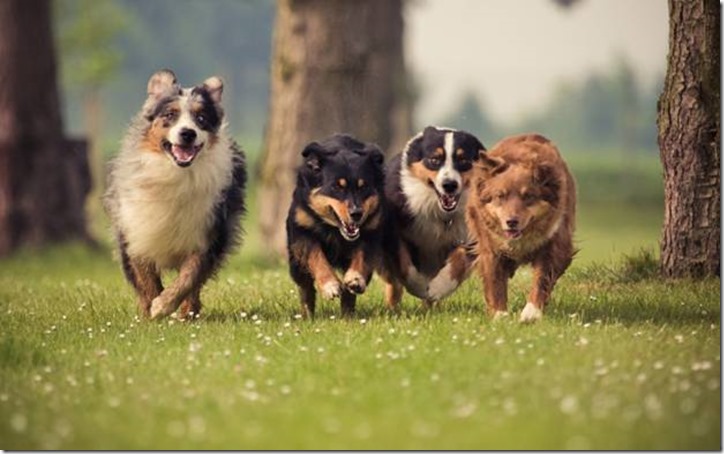
The body language of a dog is not just a bared teeth or wagging tail. Like a human being, dogs have their individual characteristics, traits, and quirks that form their personality. They do not just interact vocally but also uses their body language for communication. They communicate using their whole body from a tilting head to wagging the tail. Their variety of behaviours can interpret a number of responses from us whether we are irritated or swollen with pride. Knowing about their personality can help in making their training simple and easy for both.
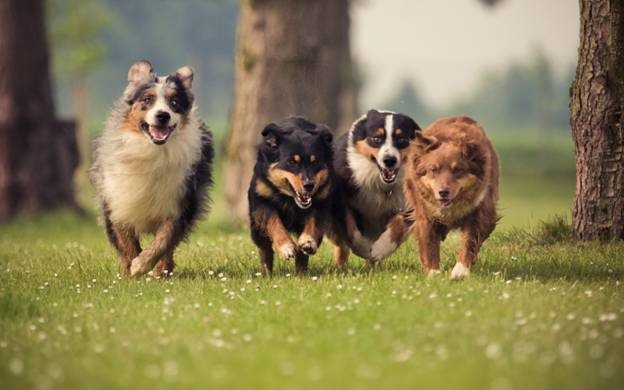
To know why animals have different personalities from each other, we have to look first at the basic needs. All living beings have three fundamental needs water, food, and shelter. By fulfilling these basic needs your dog will be more expressive and healthy. Animals having a higher rate of intelligence be likely to show out more participation, especially in a family. Dogs, being draft animals, show the same desire for protective and connecting obligation.
Various personality types show different behaviours and have various tendencies to have particular reactions. The inquisitive type of dog to posses can be a great choice or might be a little annoying, depending on its inquisitiveness directness. It always a hectic task to deal with the dog that is all time digging through the garbage or pursue weird animals, while, a dog who is easy in training and pick up new behaviours fast is a very wanted companion.
The violent and aggressive type of dog is also an appealing character. Whereas as a house pet these dogs are not at all desirable, they are an ideal choice for a person who is interested in the sense of protection and security. If you notice that, your dog bark every time it looks some stranger or other animals entering your home, it means you own an aggressive dog. It is essential to assess your circumstances (neighbourhood, home, family) before having a dog as a pet of this nature.
The friendly type dogs are every ready make new friends. They are nice with kids, strangers, other animals and all sort of social situations. Excessively excited behaviour becomes too much, as in begging for food or jumping.
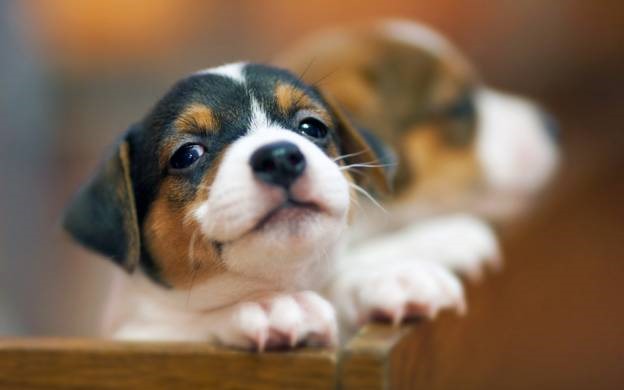
The timid or shy types of dogs are the exact reverses of the friendly dog type. These dogs fell shy in interacting with any strangers and enjoy their own company and independence just like shy human being. Persistence and patience are required while training these dogs.
The nervous dog type is somehow similar to the shy category. Once more, the terror in these dogs is based on mistreatment or some previous case of abuse, but not for all cases. They dogs tend to be somehow defensive and more protective. They bear good body.
The above basic five personality types might also comprise of some other traits but the most common are mentioned above. This makes every dog individual and unique, some may need specialized training that depends on their circumstances.
References
Article Source: http://EzineArticles.com/948974
http://www.dog.com/dog-articles/dog-behavior-and-demeanor/1796/