Every Cat Gets Hairballs, Right?
September 6, 2019
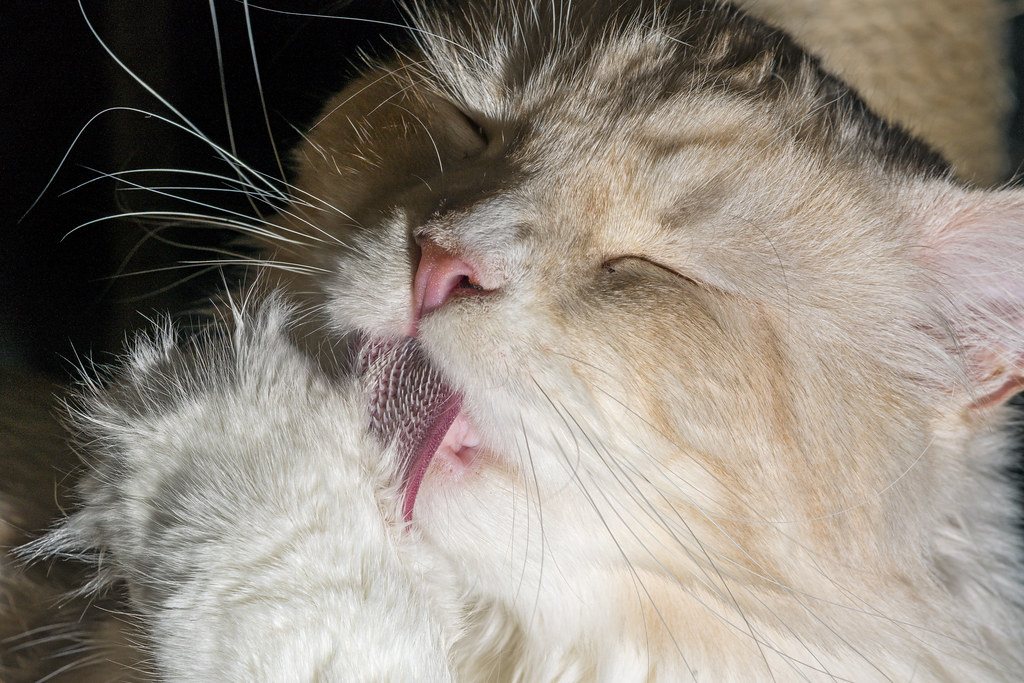
It seems only natural that your cat will inevitably cough up a hairball or two in their lifetime. After all, grooming all that glorious fur can really snowball! However, ongoing research shows that coughing up hairballs is not a healthy endeavour and could be a sign of disease.
Cats will normally consume a lot of fur when they’re grooming themselves, but it should travel through the digestive system and pass through the feces. If there is an issue with digestion, then the hairballs can accumulate in the stomach, creating a disgusting mass of undigested material, bile, and bacteria that your cat cannot digest.
No wonder they throw it up and it’s an unpleasant spectacle to witness. Your poor cat will convulsive and moan and wretch until the offending object is purged from their system. But better out than in, as these nasty hairballs can end up in the intestines and cause life-threatening blockages.
At this point, most people will head straight to the pet store and buy one of the many products designed to tackle hairballs. Products like cat food with hairball control, fiber supplements, drops and lubricants, and Laxatone chews. But you'll only be masking the problem and delaying effective medical treatment.
In an ongoing study conducted out of the Alamo Feline Health Center, a total of 500 cats were examined to find underlying medical causes of hairballs and chronic vomiting. An astonishing 96% of these cats with chronic hairball vomiting were diagnosed with serious digestive issues:
- 50% tested positive for IBD or irritable bowel disease;
- 45% tested positive for lymphoma;
- 5% tested positive for food allergies and intolerances.
So we shouldn’t take hairballs as a common occurrence among cats. Even as little as coughing up hairballs twice a month is cause for concern. So if you have a cat who has a hairball problem, book an appointment with your veterinarian today. If left untreated, IBD can lead to lymphoma.
Reference:
Journal of the American Veterinary Medical Association; November 15, 2013, Vol. 243, No. 10, Pages 1455-1461: DOI 10.2460/javma.243.10.1455