How to read a dog food label
February 4, 2018
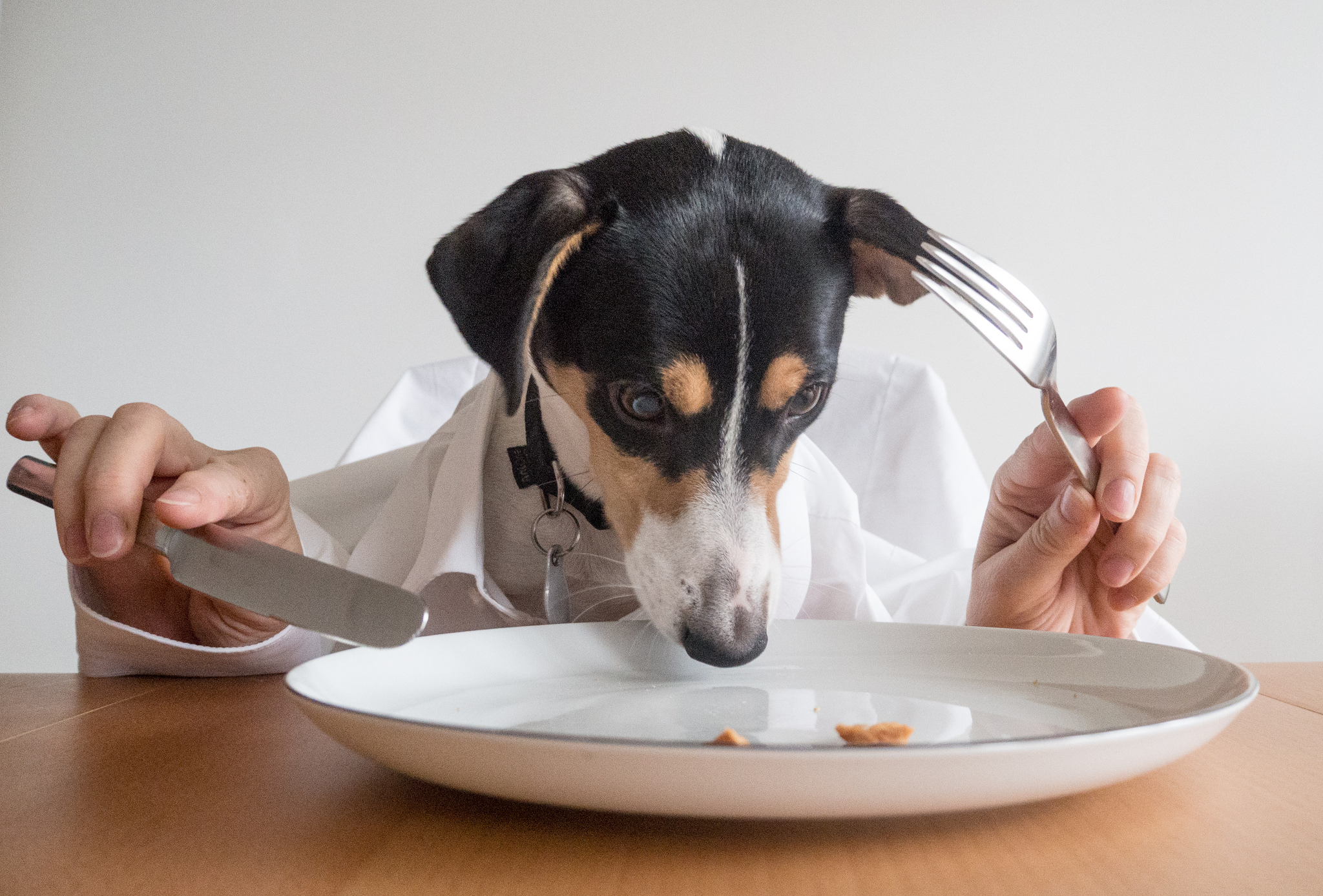
Deciphering dog food labels is as confusing as interpreting our own nutrition information panels! Just when you think you’ve got it all figured out, you find out there’s so much more you’re missing.
Most of us look for the first ingredient to be meat, poultry, or fish based. But the thing is, animal protein contains a lot of water, so it stands to reason it would feature first on the ingredients list.
So how do you know for sure how much protein your dog is getting?
The good news is, dog food manufacturers must adhere to strict regulations governing the nutritional value of any dog food on the market. These regulations set out a baseline of daily nutritional requirements for your dog that their product must reach. So essentially, any dog food will give your dog a good, solid diet.
The problem lies in the ‘other’ ingredients. Hidden within those shiny marketing labels and claims, lie some fancy terms like ‘natural’ and ‘flavouring’ that are designed to confuse the consumer and make it sound good.
So what is a good example of a dog food label that supports optimum nutrition for your dog?
Avoid colourful dog food
We’re talking about those products that come in a multitude of colours. Check the label for artificial colouring and food dyes like Yellow 6, Blue 2, and Red 40.
Check the protein ingredients
Pea protein has made a surge in the market as a good, plant-based source both in the pet food market and our own foods. It’s an amazing source of protein and is easily digestible, gluten-free and good for sensitive tummies. But is it worth the price on the label? Do you really want to pay $80 for chicken flavoured pea protein? Just make sure it’s fourth of fifth on the label, and comes after meat, poultry and fish ingredients.
Don’t be put off by meals and by-products
As mentioned before, fresh protein is mostly water, but ingredients like chicken meal, meat meal and bone meal are forms of dehydrated protein and so, contain a higher percentage than regular meat, poultry, and fish.
In addition, ingredients listed as ‘by-products’ contain a rich source of vitamins and minerals. By-products are those kinds of ingredients that most of us would consider unpalatable, but your dog is not as choosy. By choice, your dog would eat the whole animal because they know it’s good for them. So meals and by-products are considered good ingredients that are good for your dog’s health.
Does the label have a Guaranteed Analysis?
According to PetMD, you need to look for the Guaranteed Analysis on the side of the product as this deems the product meets industry nutritional standards. You’ll see a breakdown in percentages of ingredients like crude protein and dry matter:
Example of the Guaranteed Analysis for a high protein, high-end dog food:
- Crude Protein…Min. 34.0%
- Crude Fat…Min. 16%
- Crude Fiber…Max. 4.0%
- Moisture…Max. 10.0%
To calculate how much actual protein is in each serving, you first have to subtract the amount of moisture content. So, 10% - 100% = 90% total dry matter.
Next, take the total amount of crude protein (34%) and divide by 90% = 38%. This is the actual total amount of protein per serving – more than is listed on the actual label, which tells you it’s an excellent source of protein.
Avoid dog food full of fillers
Another thing to watch out for is dog food that contains a lot of corn products or other grain-based products, as these act primarily as fillers. In an average dog food, these ingredients will feature pretty high up on the ingredients list. So avoid these kinds of dog foods if you want the optimum health for your dog. Eating too much corn and corn products is not good for anybody’s health.
The next time you’re out buying dog food for your best friend, do a quick calculation to measure the exact protein, check the list of ingredients for healthy ingredients, and avoid products full of fillers, artificial flavours and colours.
by Natalie Secretan
puppydogcapers.com
Photo credit by: Georgie Pauwells - Dinner for One