How Well Do You Know Your Dog?
June 9, 2020
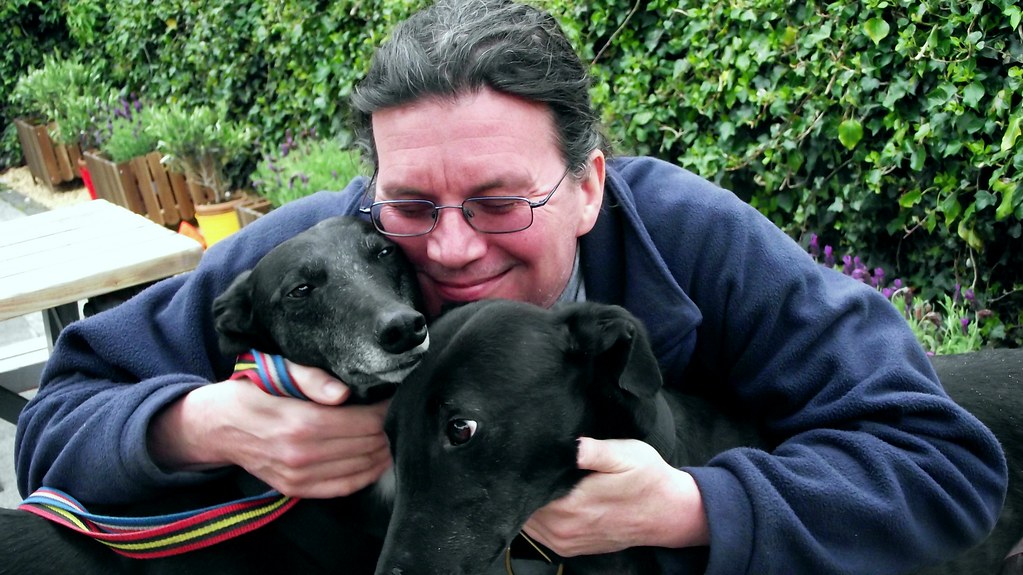
It is said that dogs share about 85 percent of their DNA with humans. But when it comes to understanding each other, we’re not always on the same page.
Just as it takes time to train a puppy, so too does it require a certain level of understanding to get to know your dog better. For instance, you may not realize this but your dog would rather not be hugged. Let’s look at this and some of the most common behaviours we have that can confuse a dog.
Please don’t hug me
Hugging to a dog translates into confinement and being held back against their will. It’s a threatening posture that renders the dog helpless. Instead of comforting your pet, hugging can make them feel really uncomfortable. Of course, there are exceptions. Most lap dogs love a good cuddle.
Solution: Instead of wrapping your dog in your arms, try petting them. Dogs like it when you get down to their level and snuggle, but as soon as you wrap your arms around them, it’s game over.
My nose tells me everything I need to know
A dog's sense of smell is extraordinary and about 40 times stronger than humans. Dogs have about 300 million receptors in their noses, whereas humans pale in comparison with only 6 million. You could say, they see with their noses. This can be exhilarating as well as confusing.
For instance, your dog recognizes you by your familiar shape and smell, but when you change clothes you can throw your dog off the scent (so to speak). A different smell and shape means a change of identity. That’s why when you return home, your dog gives you a good going-over with their nose. The scent test reassures them.
Solution: If your dog looks startled after seeing you in a new hat or glasses, or even a new perfume or body wash, reassure them by talking softly to them, and hold out your hand so they can get a good sniff. Their noses are incredible, their eyes not so much.
Quick hand gestures put me on edge
Some dogs are naturally hand shy and their instinctive reaction is to nip or snarl at the offending digits. If this happens to you, try to control your shock and hold back on correcting your dog. It’s not his fault, it’s just a case of misunderstanding.
Even though we use our hands to feed, pet, and love our dogs, we also use them to cut nails, brush teeth, and wipe feet. If at one time, you cut your dog’s nails too short and made them flinch, or you brushed them too hard when grooming, your dog will associate your multi-functional hands with pain and something to be avoided. It's especially important to watch young children around dogs and teach them that wild hand movements can entice a dog to lash out.
Solution: Avoid aggressive play using your hands. Turn bath and grooming time into a fun time by rewarding your dog with treats and positive reinforcement. The tasty temptation of treats will ease them into a more relaxed mood and over time, they will become more trusting.
This is my house, it’s my job to protect it
Some people can tolerate barking when someone comes to the front door. After all, your dog is only doing their job. But when the barking and hostile behaviour continues after your visitors are inside, you need to diffuse that situation by getting your dog in a more relaxed state. Your dog has raised the alarm, now they need to stand down and let the human take over.
Solution: Train your dog early by getting friends and family to visit you. When you open the door, give your dog a command to sit and behave, rewarding good behaviour with a treat. Repeat the exercise as many times, on different days, until your dog understands the routine.
When it comes to training our dogs and communicating with them successfully, it takes patience, understanding and a lifelong commitment to training. Dogs have their own language and sometimes humans can get that wrong.