Is Your Cat Stressed Out?
June 9, 2020
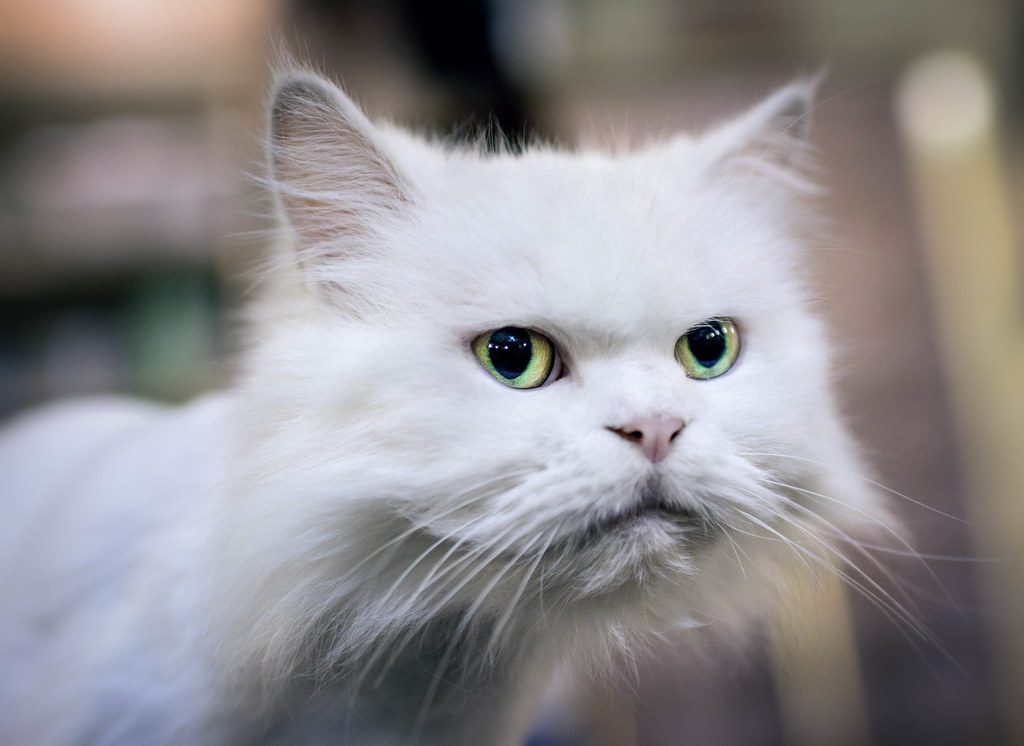
As we learn more about mental health in animals, we realize how similar our pets’ brains are to our own human brains. This knowledge has made us much more aware of our pets’ overall health. We now realize it’s not just about diet and exercise. Another important part of the equation is understanding the minds and moods of our beloved cats and dogs.
Change Is Upsetting
We have discussed before how crucial having a routine is to the mental health of our cats and dogs. So often when that routine is upset, when there is a change looming on the horizon, your pets can sense the tension change in the room.
For instance, imagine you just had a baby and before the little bundle of joy came on the scene, it was just you guys and your cat keeping each other company. But now the baby gets all the attention and sometimes poor Kitty is locked out of the room. What would anybody do in that situation but probably lash out in some way.
Situations like these that completely change Kitty’s environment and home life are bound to upset her or him. So if your routine has radically changed and you’re now noticing changes in Kitty’s behaviour, try not to be too upset. It’s a natural reaction.
Understanding Your Cat's Behaviour
When cats are upset they can react in a variety of ways, but mostly they like to make a nuisance of themselves. Mewling all night long, knocking things off of shelves, swatting passersby and even peeing in places they know is out of bounds.
Unfortunately, this is the point where many cat owners give up and surrender their once-loved pet to an animal shelter. But the solution is a simple one: a visit to the vet. This is your best place to turn when your cat starts acting out of character. Not only are behavioral changes a sign of something wrong, they could actually be a symptom of disease.
In some cases of extreme behaviour change, where Kitty is clearly upset and moody every day, don’t be surprised if your veterinarian prescribes anti-anxiety medication. Which brings us back to Kitty’s brain and how similar it is to our own.
Your Cat's Brain
In times of acute stress, your cat’s brain will react and function the same as a human’s. This means the stress will cause a fight-or-flight response, releasing adrenaline and the other stress hormone, cortisol which increases blood sugar. This in turn ignites the part of the brain known as the amygdala, responsible for anxiety and anger. Which is why your vet will prescribe anti-anxiety medication, namely Prozac for your stressed-out cat.
Some people find this controversial, but often Kitty only needs a few months’ dose to get her feeling herself again. It also gives the pet parents time to make the necessary adjustments around the house and prepare a calmer introduction to the new baby or situation.
Whether you believe in the whole Prozac solution or not, one thing is clear: Kitty’s brain functions the same as ours. If we’re stressed and anxious, so too will she be. The only difference is, Kitty doesn’t understand what is going on, so the stress can get out of control. Be mindful of environmental changes and wary of any behavioral changes in your cat. Their mental health is as important to nurture as their physical health, and understanding that helps us be better pet parents.