Thinking of Adopting a Parrot? Here Are a Few Things to Consider First
February 7, 2016
By Morgan Clark
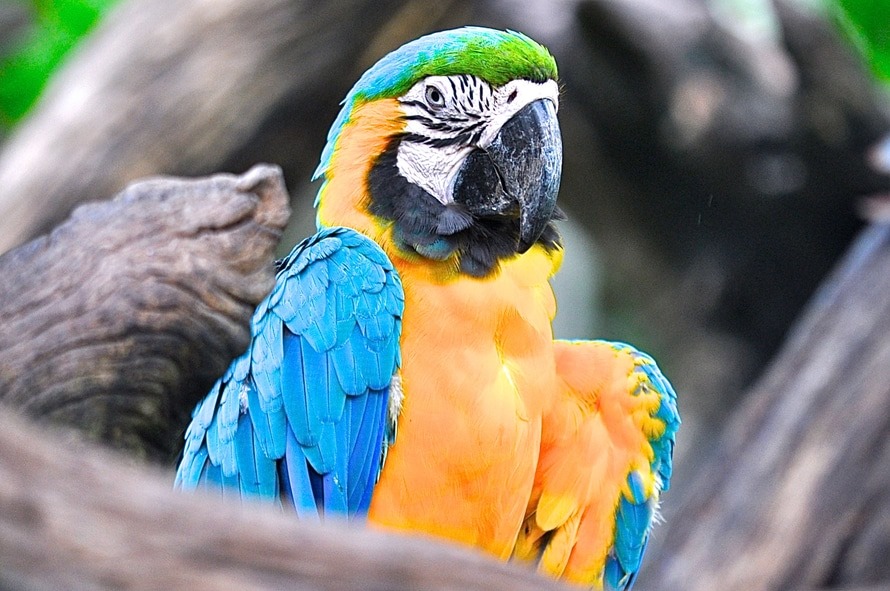
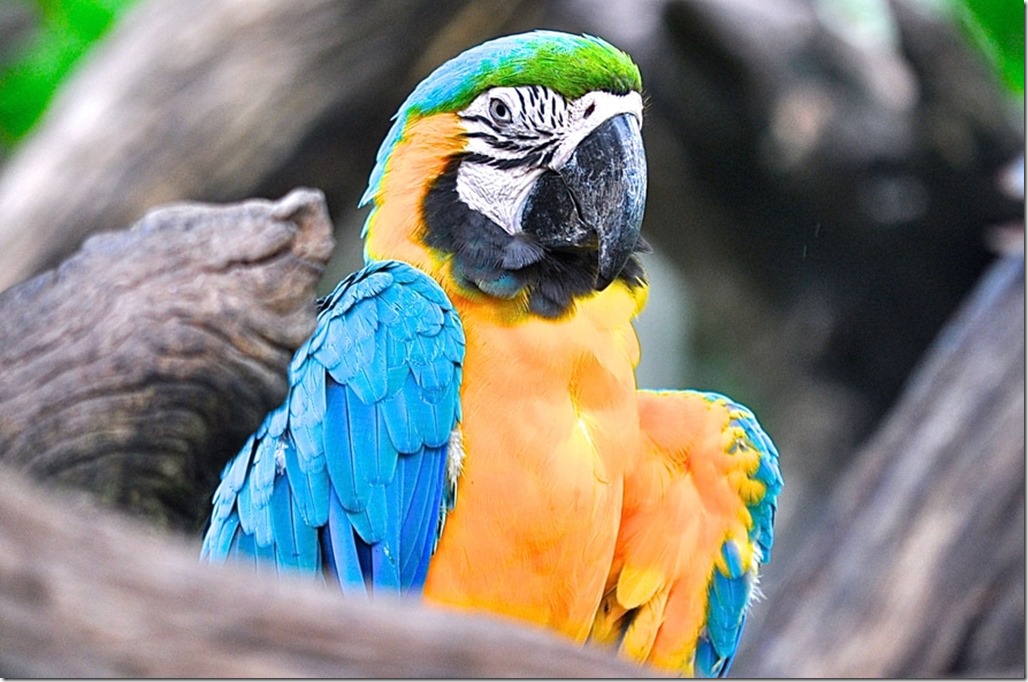
At first glance, parrots seem like some of the coolest pets on the planet. They are gorgeously colored, they ride around on your shoulder, and – best of all – they talk! However, any parrot owner can tell you that these beautiful birds are a big responsibility. Adopting a parrot is not something that should be taken lightly. Here is the low down on what you should know before you make that life-long commitment.
Parrots live for a very long time
When I say “life-long”, I mean “life-long”. Different species of parrots have different lifespans, which can range from 50 years to a full century. A parrot aren't just a commitment for a dozen years like a cat or a dog. You need to be in it for life when you adopt a feathered friend. You may even want to consider an end-of-life option for your parrot should anything happen to you. If you're still interested, wait until you see the next item on the list...
Parrots are LOUD
Parrots may make cool noises and imitate human speech, but parrots also screech, shriek, whistle, squawk, and prattle at all hours. While there are ways to train your parrot to be quieter, there will always be a certain amount of noise when a parrot is around. Consider which breed you buy – some species are definitely louder than others. If you live in an apartment that forbids noise at night, you definitely want to do your research on breeds and training techniques. On that note...
Parrots get bored easily
Parrots get bored when they are lonely, and when they get bored, they get loud. Keeping your bird occupied is one way to keep the volume down (at least a little). When you have to be out of the house, make sure your parrot has plenty of toys as well as food that takes time to crack open and eat, like whole almonds and other nuts.
When you return, your bird will be happy to see you, and is likely to make noise to greet you. In fact, your bird might repeat this ritual each time you enter the room. For this reason, it's best to bring your bird with you into each room, even if you're just doing something quietly. Yes, have a perch in each room as well. Your bird will be happy to have your company and is less likely to squawk out of boredom.
Parrots are extremely messy
While messiness is another symptom of boredom, parrots are always going to produce at least a little bit of debris. They sling their food around, loose feathers fly free, and their waste doesn't always hit the newspaper at the bottom of the cage. Plan to purchase a protective floor covering to rest under the cage and vacuum often (with Polly in the other room, of course). These two things will minimize the mess and ensure that your home stays tidy.
Still want a parrot? Go right ahead! Just remember that a parrot is a lot of work, and there is quite a bit of research ahead of you to ensure you choose the right breed and create the right environment to raise a healthy, happy bird.