Threat of Deadly Coyote Tapeworm in Ontario
April 23, 2019
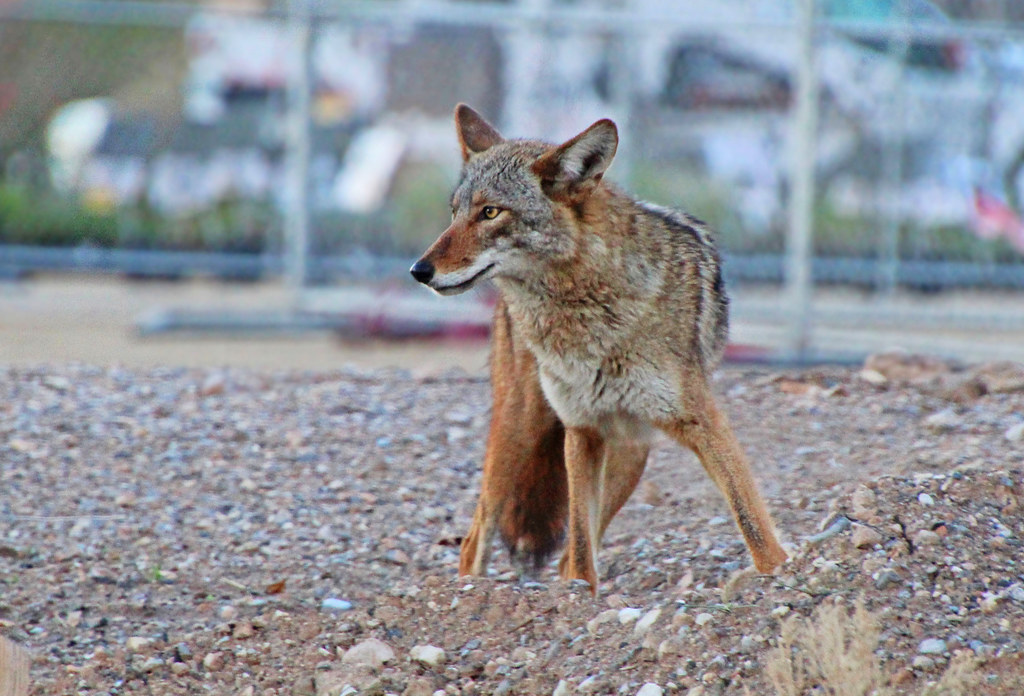
With an increase in the coyote population in and around our cities comes the growing threat of a rather insidious tapeworm capable of life-threatening consequences.
First reported in Vancouver and Alberta in 2012, the potentially fatal tapeworm is believed to have originated in Europe and entered Canada via the United States much, much earlier.
It affects foxes as well as coyotes, and is now a threat to our dogs, especially if your dog loves to hunt or is a known poop-eater.
Known as Echinococcus multilocularis tapeworm or E. multi, the eggs are excreted through the feces of coyotes and foxes, which are often ingested by rodents like deer mice and voles. Once ingested, the eggs find their way to the rodent’s liver, where they form large cysts of larvae that eventually kill their intermediate host, if they’re not eaten first.
These infected small animals just so happen to be a food staple for most coyotes and foxes. When they eat an infected rodent, the tapeworm larvae hatch inside its new host and the parasitic cycle is complete.
Veterinarians at the University of Guelph in Ontario looked at 460 dead foxes and coyotes from Windsor to Ottawa and found that 23 per cent of them were infected with E. multilocularis. These findings suggest this parasite has been in southern Ontario for decades and is spreading.
Some dogs have already become infected. But there is a vaccine for tapeworm that is effective at reducing your dog’s risk and drugs to prevent intestinal infections. Vets warn that dogs who are allowed off the leash and free to roam in parks, ravines, and wooded areas are at a greater risk, particularly if they are hunters or poop-eaters. So exercise precaution.
If your dog does pick up this E. multi tapeworm, there’s also a small chance you can also get infected. The parasite is microscopic and can collect around your dog’s rear end and easily transfer to any surface your dog may sit on.
While the threat of E. multi tapeworm is real, there’s no need to be alarmed and stop going to the dog park. This is now a public health issue and any suspected areas will be known and made public. Many urban areas are reported to be safer than rural regions. Walking your dog on leash is always your safest option.
Photo by: Renee Grayson ~ Urban Coyote