Valuable Lessons in Dog and Child Safety
May 26, 2017
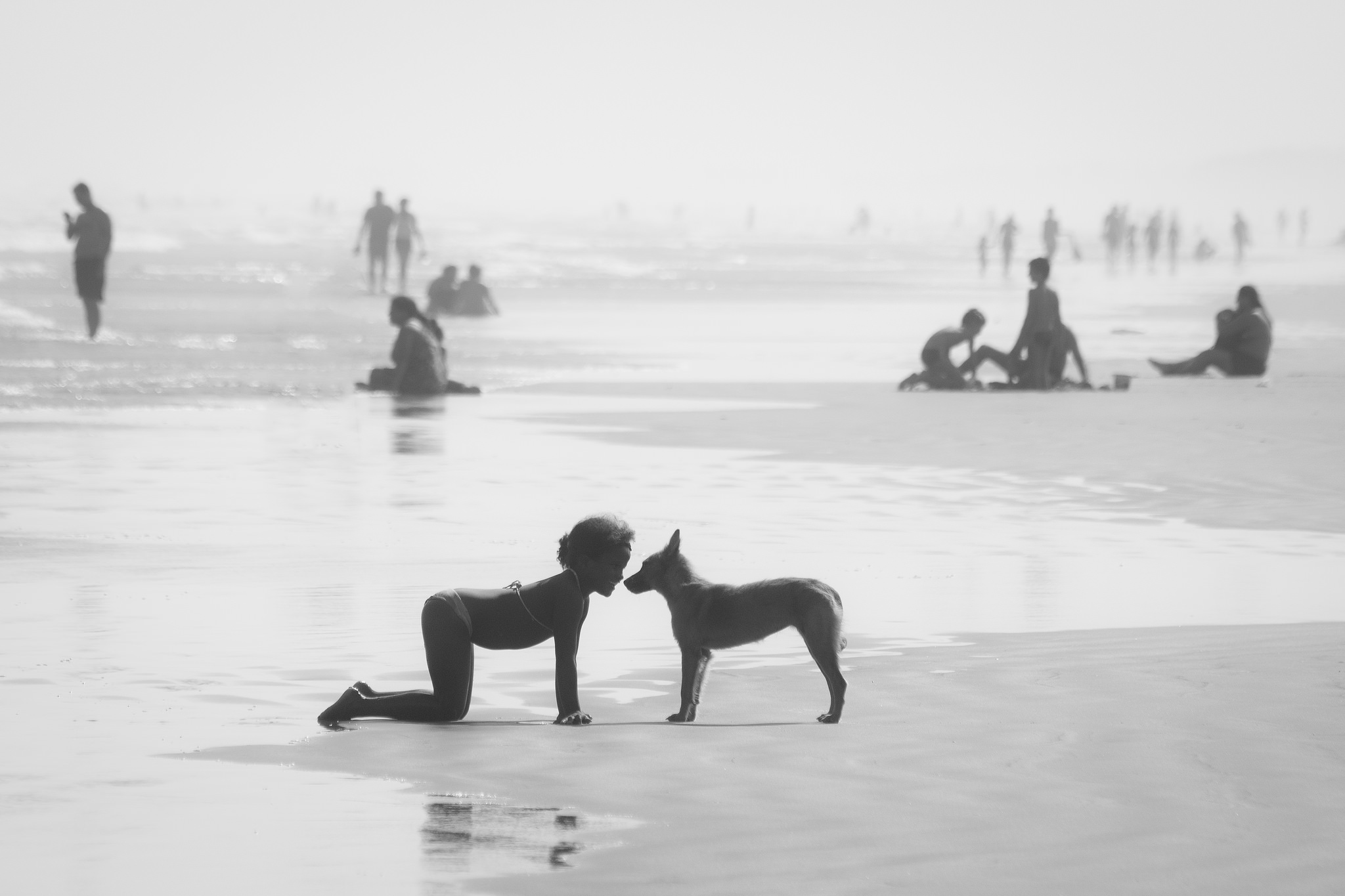
Does your dog get really nervous around children, like my dog does? It’s the tone and volume of their voices mainly, the shrieks and whoops, but also their quick movements, darting here and there, sprinting, skipping and frolicking about. Children are animated creatures and to a dog that can signal trouble, and a completely different message altogether.
You read some horrible stories about kids being attacked by dogs and you think, my dog would never do that. It must’ve been a vicious dog or an abused dog. But the truth of the matter is, most incidents happen at home and take the owner by surprise.
So how do you keep your family safe?
The first thing you need to do is set some consistent ground rules about raising your dog, like command words, areas of access, feeding him treats, and make sure the whole family agrees. When everyone is on the same page, there’s less chance of your dog getting confused. Dogs love routine and consistency. It makes them feel safe and balanced.
The next thing is to teach your children the best way to behave around dogs, whether it’s your own dog or a neighbour’s dog. Most kids get really excited when they see a dog and will run up to it, shrilling with laughter, arms waving and usually at high speed. That can be sometimes too many moving parts for a dog’s temperament to handle. So teach your children some valuable lessons about how to approach a dog. Here are some pointers:
How To Approach A Dog
- Never approach a strange dog.
- Always ask permission before petting a dog you don’t know.
- Greet a dog with a friendly verbal cue like, “Hello, you’re a cute fellow.”
- Then wait for the dog to approach you before reaching out to pet them.
Dogs respond well to calm, friendly tones of voice and can tell immediately if you’re a friend or foe.
Even when your children are around your own dog, it’s important they know how to treat your pets with kindness. Young children will have to be taught that your dog doesn’t like his ears or tail pulled. Some dogs will tolerate more than others, but everyone has their breaking point. Here are some behaviour traits taken from the Kendal Shepherd Ladder of Aggression so you know what signals to watch for:
Signs Your Dog Is About To Snap
- Licking of lips or nose
- Blinking
- Yawning
- Head turned away
- Creeping with ears back
- Stiffening up and staring at target
- Growling
- Snarling
- Biting
A dog may exhibit some or any of these signs before biting, so it’s important to recognize all of them to keep yourself and your family safe.
Above all, never leave your children alone with your dog, especially if the dog has food. And provide a private space for your dog when he needs quiet time to get away from it all.
Most people know their dogs well, but it doesn’t hurt to learn some of the warning signs. It’s a good way to recognize trouble in your own dog and one you don’t know very well.
by Natalie Secretan
Professional Dog Walker