Can Dogs Catch A Cold From Being Outside In The Winter?
December 12, 2019 · Updated September 1, 2026
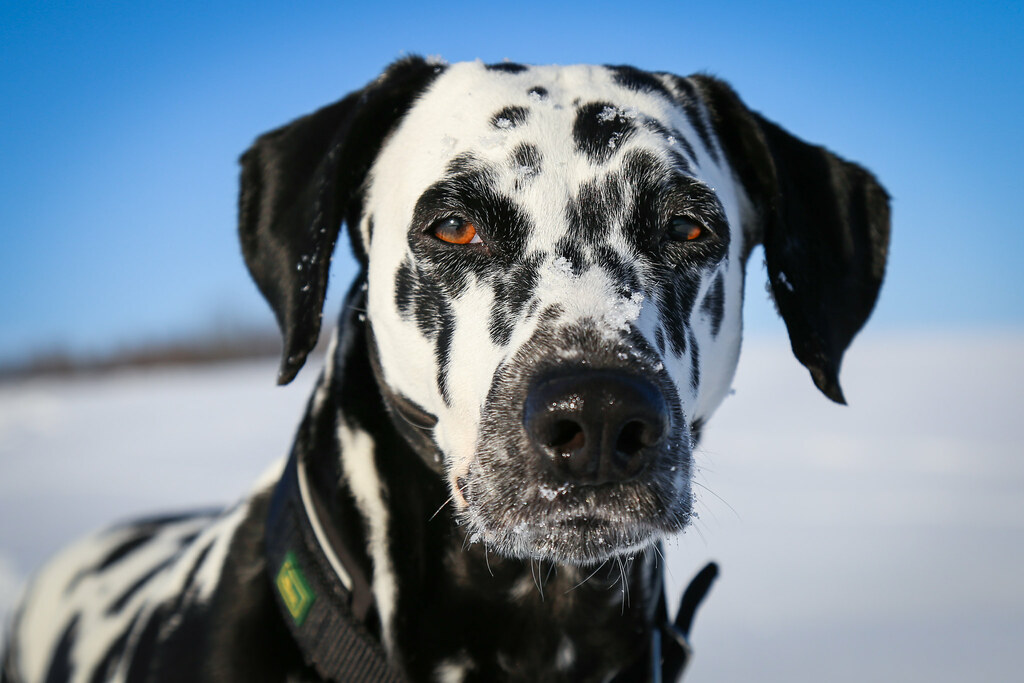
As soon as there’s a blanketing of snow on the ground, your dog will be itching to get outside to romp and play – and what better fun! As long as your dog is protected from the elements with coats and boots, then the cold, wet, winter weather shouldn’t be a problem. But that doesn’t mean that your dog can’t get sick during the winter months.
First, a reassuring myth-buster: being cold doesn’t directly give a dog a cold. Respiratory infections come from germs – usually picked up from other dogs – not from the weather itself. That said, winter can still stack the deck: chilly conditions are stressful on the body, and dogs tend to spend more time crowded together indoors, at daycare, or at boarding facilities, which makes it easier for bugs to spread. And no, your dog can’t catch your human cold – canine respiratory infections are caused by their own set of pathogens.
This is why special care is needed during the winter months for puppies, senior dogs and canines in ill health who already have compromised or delicate immune systems. Monitor time spent outdoors and make sure these precious creatures are bundled up.
Common Causes of Canine “Colds”
If your dog starts showing signs of poor health, it could signal a respiratory infection. Symptoms look a lot like a human cold, and include:
- Sneezing
- Runny nose
- Watery eyes
- Congestion
- Coughing
- Low energy
Most mild cases clear up on their own with rest, much like our own sniffles. But call your veterinarian if the symptoms last more than a few days or get worse, if your dog stops eating or drinking, seems unusually lethargic, or has any trouble breathing – and be quicker to call for puppies, seniors and dogs with health conditions. Your vet is the one to decide on treatment: antibiotics don’t work against viruses, so they’re only prescribed when a bacterial infection is involved, and only your vet can make that call. Never give your dog human cold medications – many are dangerous for dogs.
Common causes of “colds” in dogs include:
- Canine adenovirus type 2
- Canine respiratory coronavirus
- Canine parainfluenza virus
- Bordetella bronchiseptica – a bacterium, and a frequent culprit in kennel cough
Vaccines are available for several of these, including Bordetella and parainfluenza – ask your veterinarian which ones make sense for your dog’s lifestyle, especially if they visit dog parks, daycare or boarding kennels.
If your dog does come down with a cold, home care is all about comfort. Keep them warm and rested, encourage plenty of fluids (a little clear, unseasoned chicken broth – with no onion or garlic – can entice them to keep hydrated), and use a humidifier to help ease their breathing and congestion. Keep them away from other dogs until they’re better, since these infections spread easily.
Stay warm and enjoy the snow!