Does Your Pet Need To Go On A Diet?
January 4, 2023
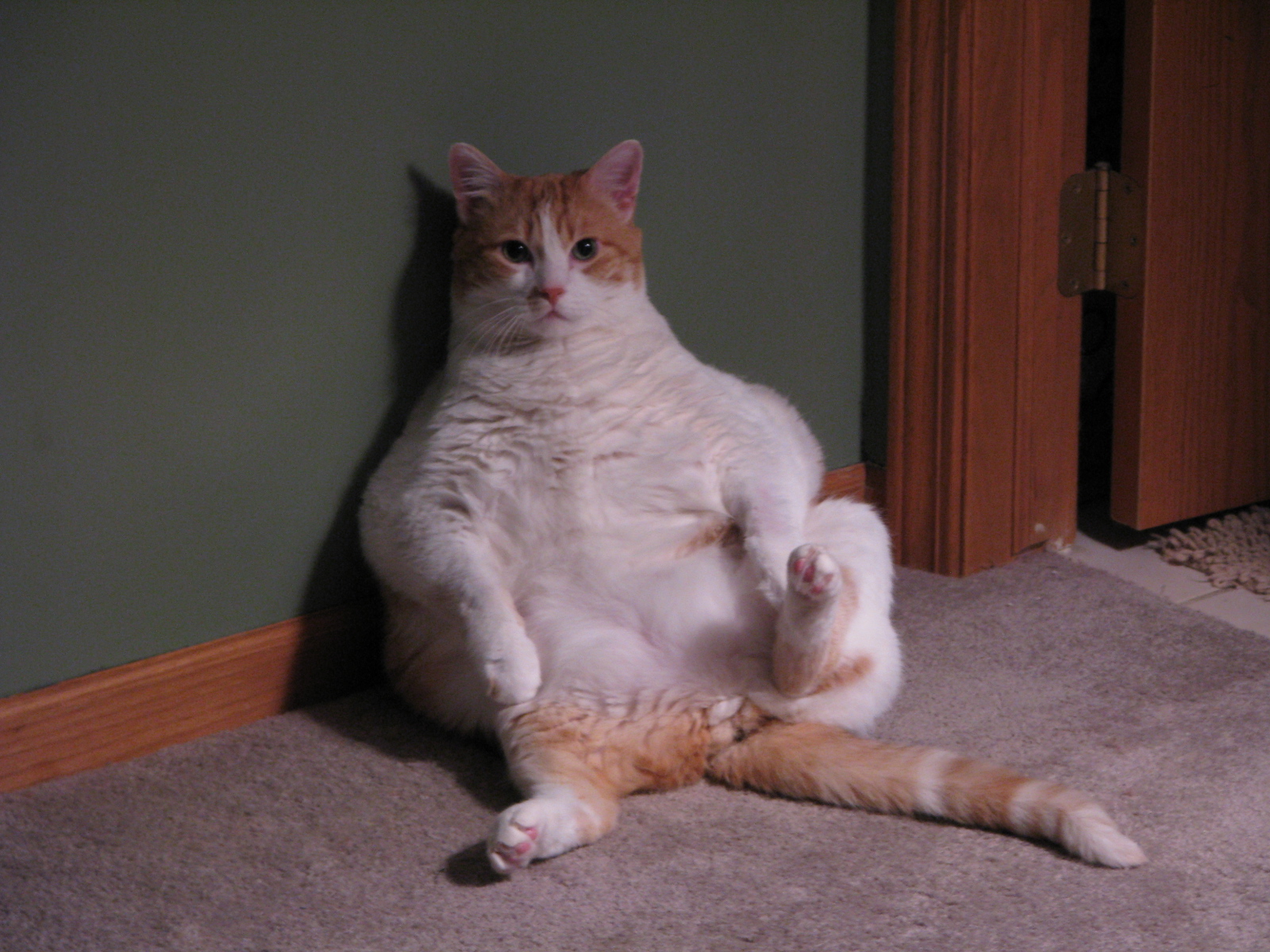
As our modern lives catch up to us and our waistlines, it’s not surprising that obesity in our pets is also on an upward trend.
In a survey conducted by the Association of Pet Obesity Prevention (APOP) in 2019, feedback from pet owners and veterinarians showed that most of the cats and dogs living in the United States are overweight or obese:
- 59.5% of cats are overweight or obese
- 55.8% of dogs are overweight or obese
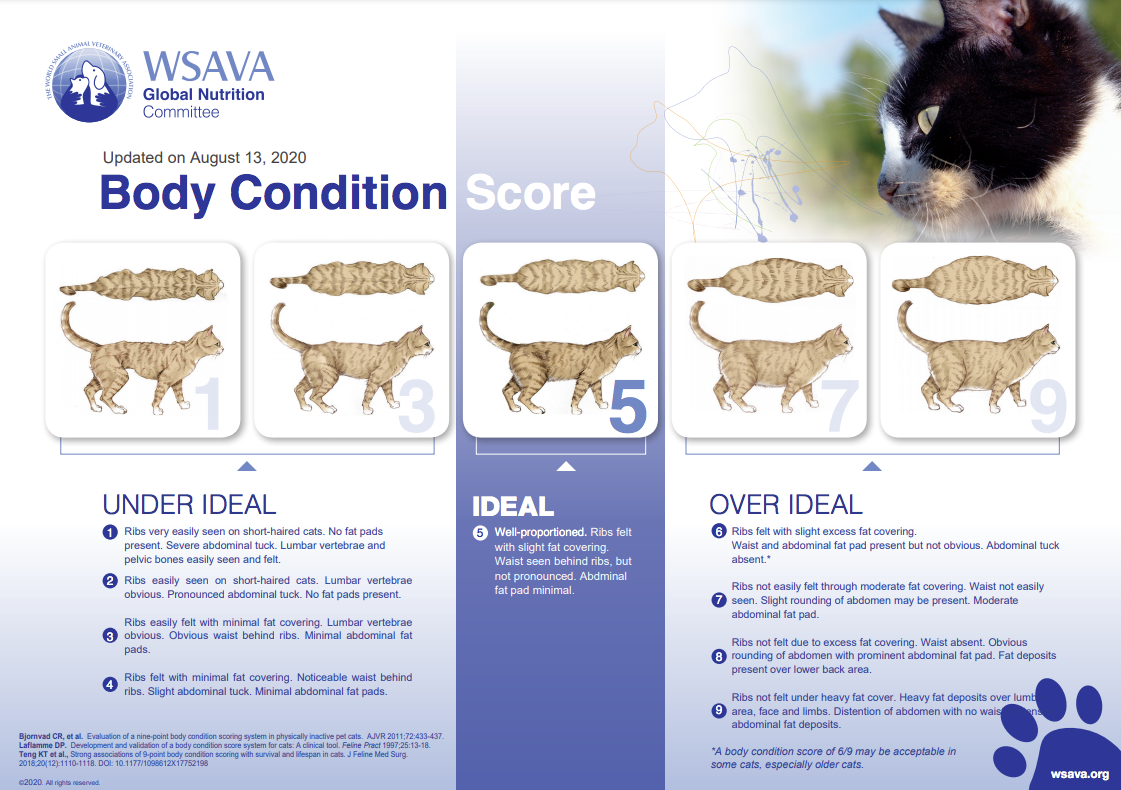
These high percentages of overweight cats and dogs have steadily been climbing over the past five years. Now more and more pets are weighing in as being obese:
- 18.9% of dogs and 33.8% of cats = obese in 2018
- 16.7% of dogs and 27.4% of cats = obese in 2013
A pet who is excessively overweight means more health problems, more veterinary bills and a shorter lifespan. But no matter how hard pet owners and veterinarians try to help their pets to shrink their waistlines, their weight just doesn’t seem to budge.
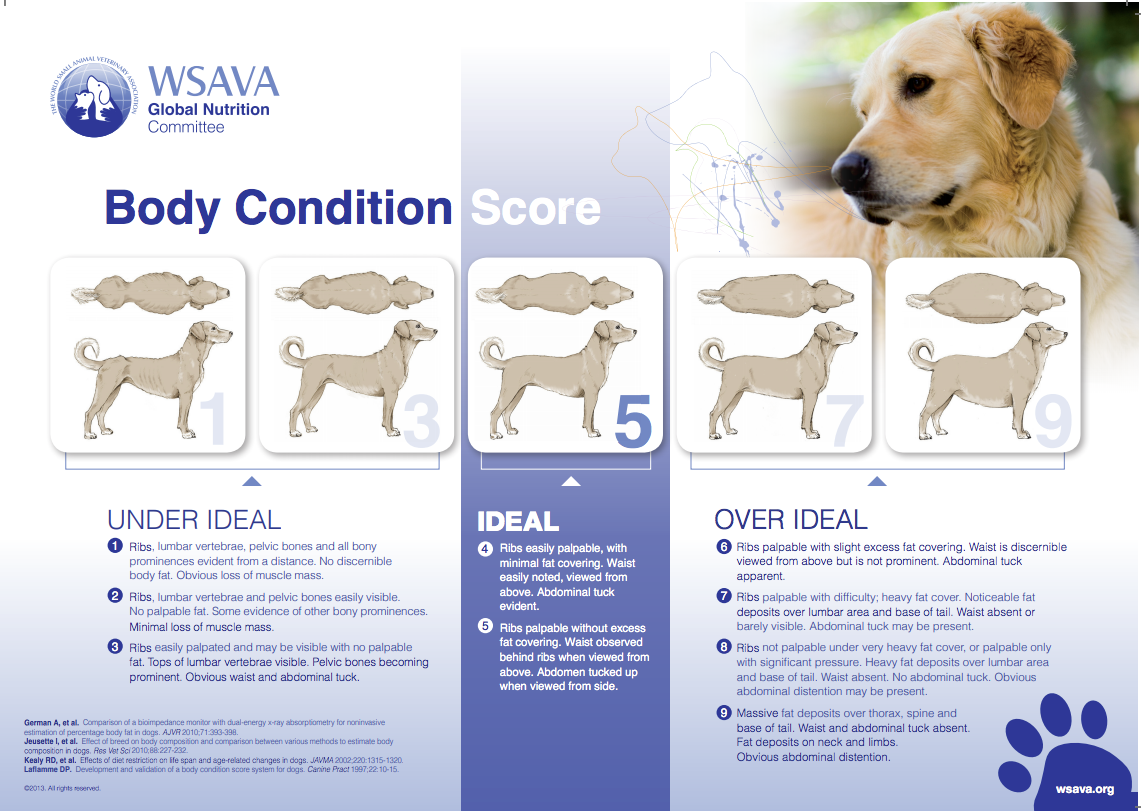
Almost 80% of veterinarians and 68% of pet owners reported in the study that they "had tried to help their pet lose weight," by feeding them less and exercising them more. Some even tried prescription weight-loss diets.
According to Dr. Ernie Ward, APOP’s founder, several factors are at play when it comes to your pet’s health and being overweight. It’s not just about diet and exercise. There could be other underlying health issues contributing to your pet’s obesity, including:
- A sedentary lifestyle
- Too many treats and food scraps
- Hormonal imbalances
- Genetics
- Poor gut health
According to Ward, the problem lies in the kind of pet food you’re feeding your pets. Giving them less food is not enough. You might need a whole different diet plan altogether, depending on any existing health issues in your pets.
It’s all about catering your pet’s diet towards the breed and their lifestyle habits, i.e., how much and what kind of exercise do they get on a daily basis?
Ward suggests consulting with your veterinarian about a therapeutic diet designed by doctors for specific breeds and health issues. These nutrition plans contain an adequate ratio of nutrients, fibres and fats to promote healthy gut bacteria and lipid levels in your dog or cat.
Ward advises against feeding your dog or cat treats, as most manufactured products are made of mostly fat and sugar. No wonder why your dog gets so excited. He needs his sugar fix. These treats can greatly add up over a day and hike up the number of calories your dog or cat is getting, not to mention increase their fat and sugar intake. So cut out the treats…and that includes food scraps or leftovers.
Ward also warns against fad diets like raw food or vegan diets. Be wary of the hype on pet food products, as it’s more marketing than it is science.
If in doubt, ask your veterinarian. Many doctors will not approach the subject of weight unless you specifically ask them. In fact, the survey reported:
- 40% of pet owners said they received no dietary advice at all
- 22% of pet owners had to ask their vet for weight loss advice
- 38% of pet owners received weight loss advice
So don’t wait until your pet has reached the excessive limit of their weight gain, get professional help and save them the trouble of serious health issues down the road.