Cat Owners Advised To Watch For Bobcat Fever
June 29, 2018
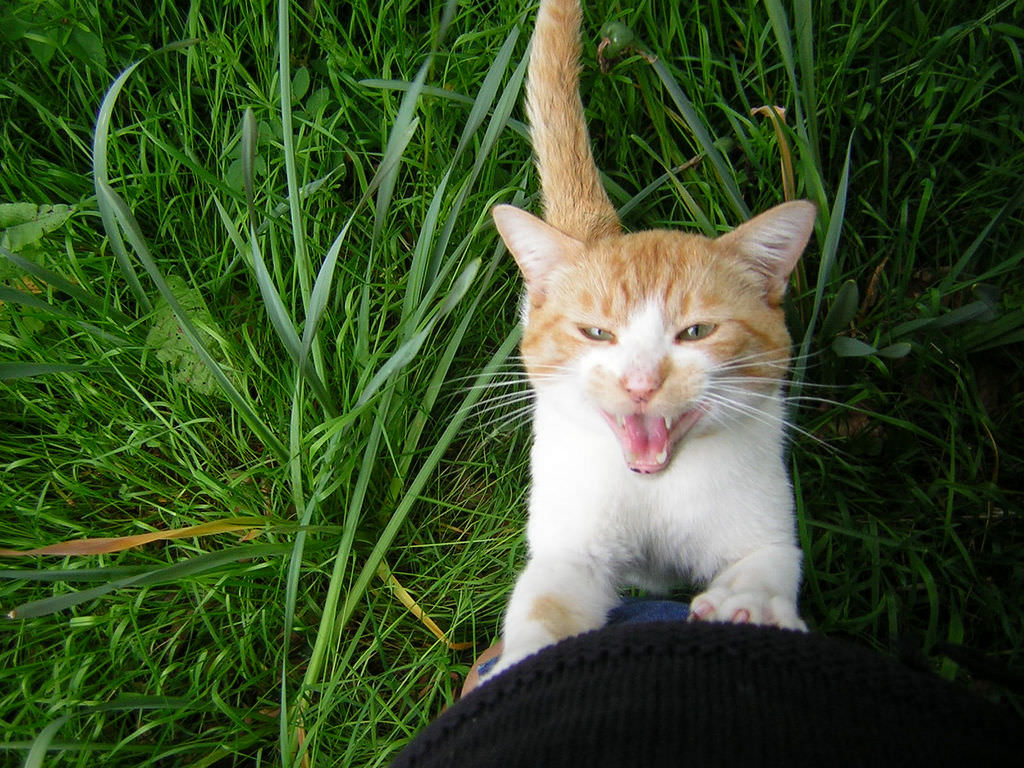
You may have seen the headlines reporting an outbreak of Bobcat Fever and how it’s killing domestic cats. So to put your minds at rest, here are the facts you need to know about this deadly disease.
News of an outbreak originated in Kansas, USA due to several reported cases and some deaths. Soon thereafter Kansas State University issued a warning to all veterinarians to watch for Bobcat Fever in cats and report any cases to the appropriate authorities. This is so they can track the infestation.
"If your cat likes to stay in the yard, try to keep your grass mowed down so it's not tall. The ticks tend to like the taller grasses. Keep the shrubbery trimmed short and remove debris around your house. Do daily tick checks on the cats and remember to look between their toes. If your cat lives with a dog, make sure you are using some type of tick control on the dog as it can bring ticks into your house, which can then feed on your cat," says Susan Nelson, veterinarian and clinical associate professor at Kansas State University's Veterinary Health Center.
Canada Has Yet to See a Case of Bobcat Fever
Bobcat Fever is spread by the Lone Star tick and is typically carried from region to region by birds. While this particular species is not yet a problem in Canada, it is expected to travel north and spread into our region anytime soon.
In the same way that the American Tick and Deer Tick bite and feed on its host, infecting it with Lyme Disease, so too does the Lone Star Tick infect its victim with Bobcat Fever. Feeding times are long in these ticks, which gives you plenty of time to check and get rid of any unwanted visitors. However, Bobcat Fever differs from Lyme Disease as it is much more fast acting and deadly.
The Facts You Need To Know About Bobcat Fever
- Bobcat fever can be deadly in domestic cats
- Bobcat fever does not affect humans or dogs
- Bobcats can carry the disease but are immune
- Lone Star ticks are responsible for spreading the disease
- Predominantly affects cats north of the city
- City cats are not immune to infection
- Symptoms occur within 5 to 20 days
- Most affected region is northeast Kansas, USA
Take Precautions To Prevent Bobcat Fever
If you have a dog and you like to go for walks in tall grassy areas, make sure you take the necessary precautions to prevent ticks. Wear long sleeves and long pants, as well as a hat, and be sure to shower after your walk. Your dog will also have to be checked for ticks from top to tail to be safe. While dogs are immune to Bobcat Fever, they can bring the ticks into the house to infect your cat if you have one.
Symptoms to Watch for Bobcat Fever
According to Dr. Nelson from Kansas State University, if your cat is unfortunate enough to contract Bobcat Fever, these are the symptoms to look out for:
"First, you're probably going to notice they're going to be really lethargic and tired. Their appetite is going to decrease. They may feel very hot to you as they will tend to run a high fever early in the course of the disease. As the disease progresses, you might see breathing problems, dehydration and the whites of their eyes or the inside of their ears might start looking yellow as they start getting jaundiced. Their body temperature will start to drop as they near the end stages of the disease."
While there is no vaccination yet available for this disease, immunizing your dogs from ticks could help keep your cats safe. It’s also important to follow the correct precautionary measures mentioned above, and keep your garden trim and your grass short and free from these pests. Keep kitty safe.
Photo by: zenera ~ Waaaaaaaaaaaaaaaaaaaaaaaa