Watch Out For Leptospirosis This Spring
May 17, 2019
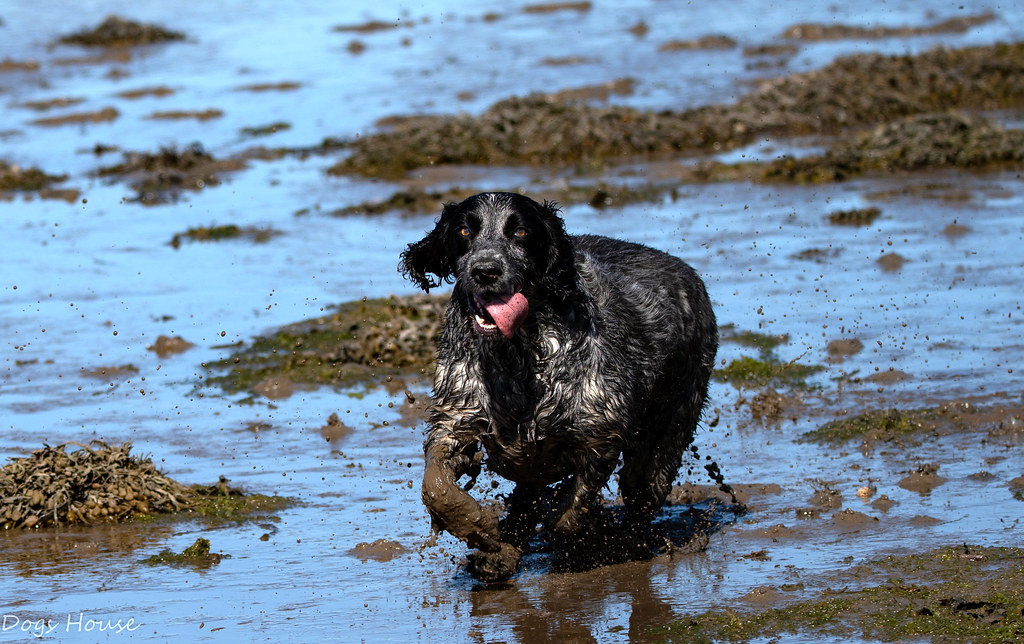
Walking your dog in the spring comes with its challenges like avoiding mud and rain. But it also presents a few hazards that could be detrimental to your dog’s health. We’re talking about leptospirosis and how Southern Ontario is a hotspot for this potentially fatal bacterial disease.
What is leptospirosis?
Since last year, Southern Ontario has seen an increase in reported cases of this bacterial disease, which not-so-coincidentally has also seen an increase in rainfall. Damp, soggy, spring-like weather presents the perfect environment for leptospirosis to grow.
Commonly found in stagnant water, the bacterial disease is carried by wild animals in their urine. When your dog comes into contact with soil, food, or water where an infected animal has urinated, they could become very sick.
If left untreated, leptospirosis can lead to liver and kidney failure. It can also spread to humans.
What are the symptoms of leptospirosis?
One of the first things you’ll notice is your dog will become lethargic, sleeping and lying around more than usual. They will also become more thirsty and lose the desire to get up and go outside.
According to the CDC, other symptoms in pets include:
- Fever
- Vomiting
- Abdominal pain
- Diarrhea
- Refusal to eat
- Severe weakness and depression
- Stiffness
- Severe muscle pain
Can leptospirosis be treated?
If your pet displays any of the above symptoms, take them to the vet immediately. It takes anywhere from 5 to 14 days for the bacteria to develop from the time of exposure.
The earlier your dog is treated, the better their chances of avoiding organ damage or death. Your vet will perform the necessary tests and prescribe antibiotics. In severe cases, your pet will have to hospitalized and treated with hydration therapy and dialysis to flush the bacterial infection out of their system.
To avoid getting infected yourself, it is important you avoid contact with your dog’s urine, blood, or tissues.
How can I prevent leptospirosis?
Make sure your dog is up to date on all of their vaccinations, especially their shot for lepto. That’s your first priority. Other measures include rodent-proofing your back garden. These are the biggest culprits in the spread of leptospirosis, which means moving your bird feeder away from the house, securing your garden with a fence, and filling any gaps and holes in brickwork and landscaping features.
It’s also important to keep your dog away from water-logged woods in the spring and fall. Dogs love to stop and drink from puddles or jump in the streams or ravines, but this is exactly where you’ll find leptospirosis hiding. The bacteria can thrive in this environment for months, so exercise extreme caution.
If your dog is unfortunate enough to contract leptospirosis, you will have to limit their social outings. If they’re out for a walk and relieve their bladder in the neighbourhood park while infected, they will only spread the disease. Caution is also advised with backyard peeing. Consult your veterinarian for a full treatment and prevention plan.
by Natalie Secretan
References:
Centers for Disease Control and Prevention: Leptospirosis and pets
Photo by: Dog’s House ~ In The Thick Of It