Cockatoo: Love At First Sight
September 10, 2021
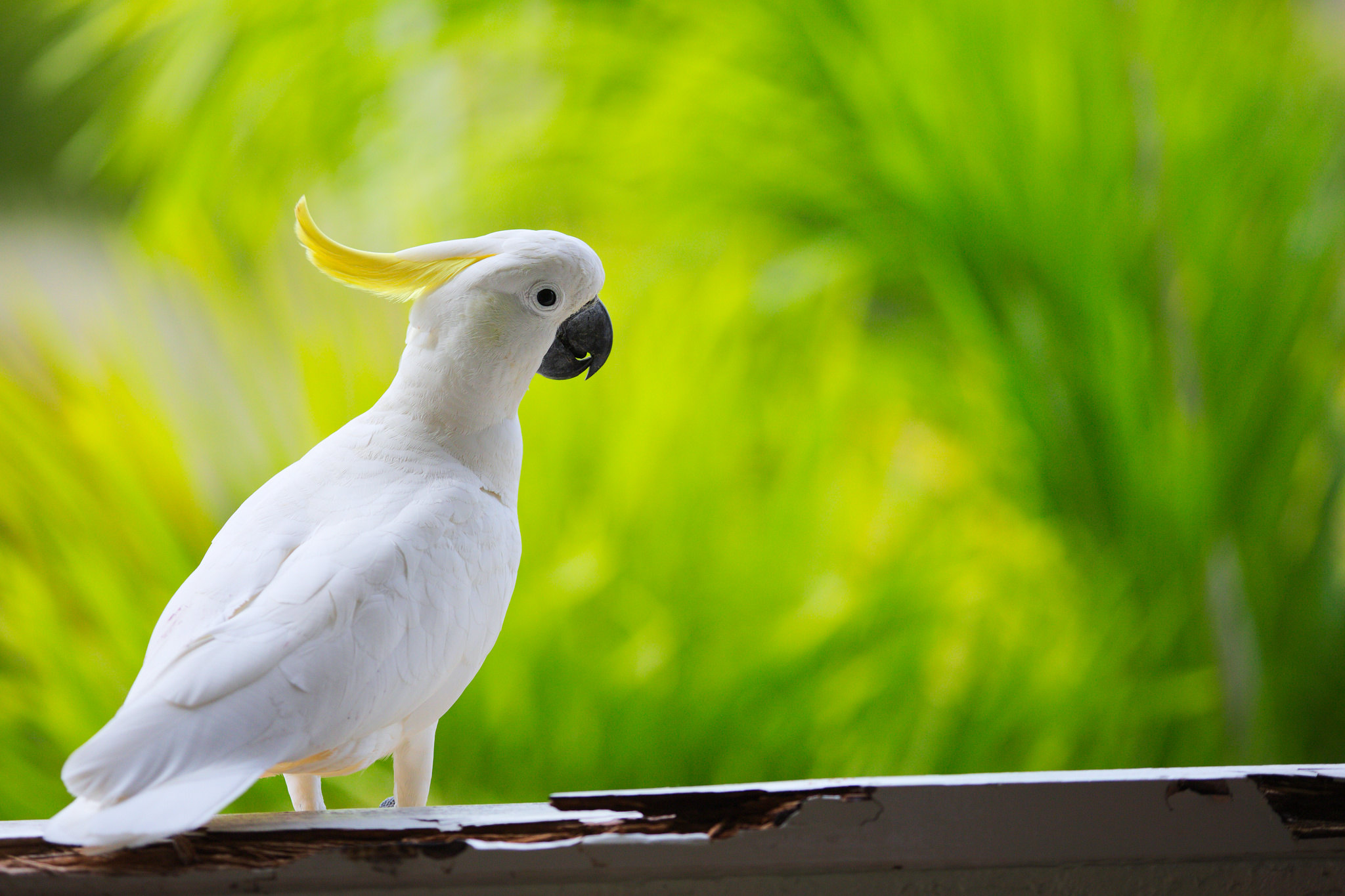
It is well-known that the Cockatoo originates from Australasia, but when and how exactly did this magnificent bird make it over to Western shores? Much earlier than originally thought.
If you love Cockatoos, then you’ll appreciate a recent article in The New Yorker dedicated to this crested bird and how humans fell in love at first sight with this incredible species.
It all boils down to one particular 15th century Italian Renaissance painting called Madonna della Vittoria that now hangs in the Louvre.
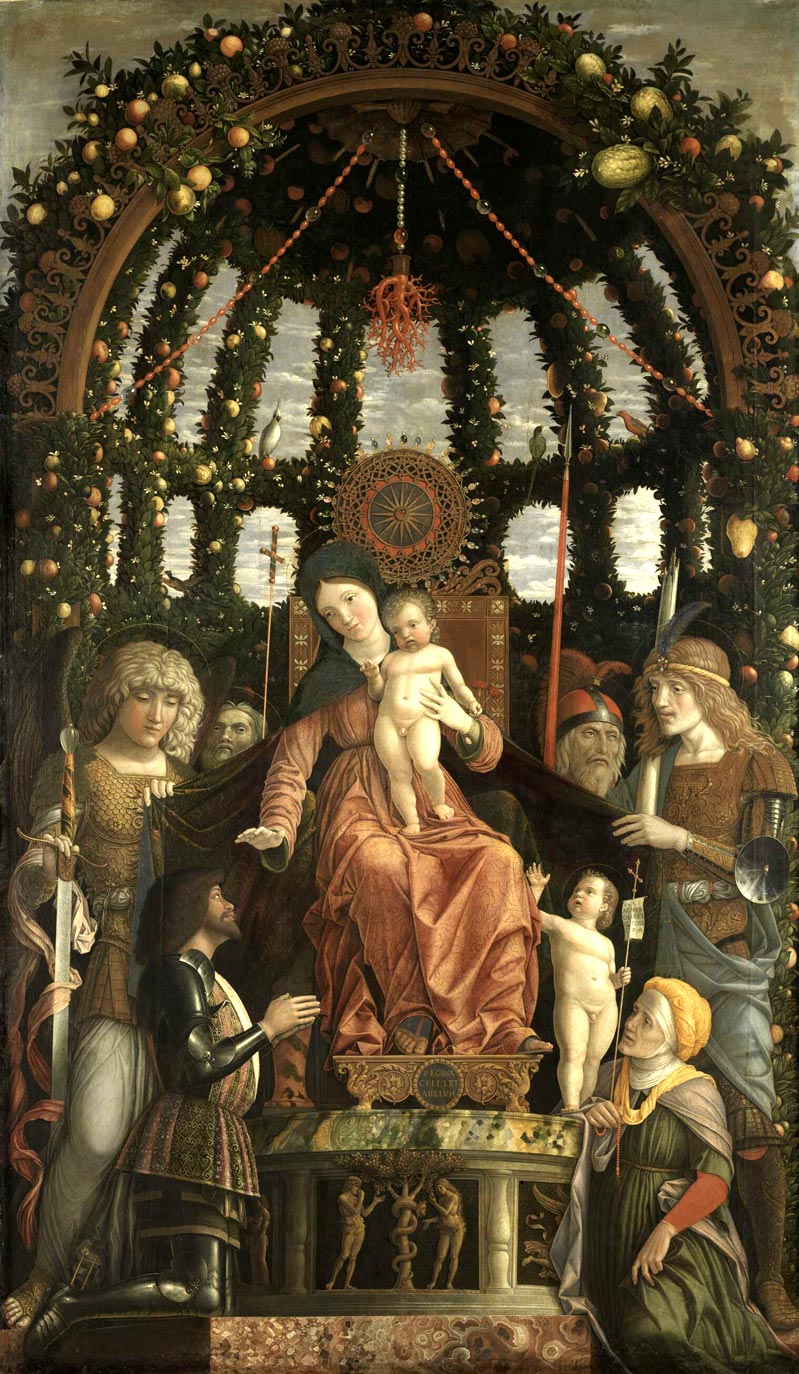
Commissioned by Mantuan ruler Francesco II Gonzaga and completed in 1496 by the artist Andrea Mantegna, this painting is an exceptionally ornate depiction of the Madonna and child. It is a highly stylized, religious painting typical of the times, except for one thing. Perched high above the Madonna in the left hand corner of the painting is a sulphur-crested Cockatoo, not a native bird of the Italian region, nor is the Cockatoo a migratory bird. So how did it get there?
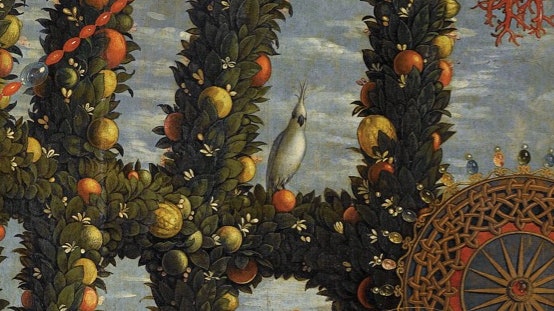
It has taken one historian from the University of Melbourne, Dr Heather Dalton, 10 years to trace the origins and authenticity of this particular bird. Convinced that the artist’s impression was taken from a real life bird, as opposed to a copy from a book, Dalton was puzzled by the bird’s presence as trade routes from Indonesia, New Guinea and Australia had not yet been established. So what kind of journey did this bird have before it reached the shores of Europe?
“These cockatoos can live for more than 60 years so it could’ve lasted the journey along the Silk Road routes, which would’ve taken years. It would’ve been included as a symbol of luxury and to show the wealth of the family which commissioned it,” Dalton told the Guardian.
In 2013, Dalton put her findings together in a paper that was published in the journal Renaissance Studies called, “A Sulphur-crested Cockatoo in fifteenth-century Mantua: rethinking symbols of sanctity and patterns of trade.”
Dalton suggests that the Cockatoo probably started its journey from one of the Indonesian islands, such as Timor or Sulawesi, arriving in Venice’s busy trading port. The journey would’ve been a circuitous one, crossing borders and entering far eastern lands such as Java and the Moluccas, before heading back home. Dalton writes:
“A parrot, like an artwork, may have had a succession of owners as it was traded West towards Europe.”
She believes the Cockatoo would have travelled with Italian traders mainly by sea, along the coastline of India and Arabia for months at a time, moving from one small boat to another until it reached the shores of Venice.
As a valued possession, the Cockatoo would have been treated with the utmost care, knowing that some nobleman would pay a pretty hefty penny to own such an exotic and talkative creature.
The Cockatoo is not the only exotic bird in the Mantegna painting. Sitting opposite are two colourful birds that look a lot like parrots. These exotic birds were often featured in European art, particularly those depicting the Madonna. The parrot was regarded as a religious symbol, whose incredible ability to talk was parallel to the Virgin Mary’s ability to get pregnant via immaculate conception.
Historians often study works of art, looking for clues of what life was like through the centuries and parrots are often their focus. If you want to learn more about the role of parrots in art, read the book The Parrot in Art by Richard Verdi, former director of the Barber Institute of Fine Arts and Parrot Culture: Our 2500-Year-Long Fascination with the World’s Most Talkative Bird by Bruce Thomas Boehrer.
Since antiquity and Alexander the Great (327 BC), parrots have been capturing the hearts of humans the world over. For the Cockatoo, it was love at first sight.