Does The Havanese Make A Good Pet?
November 20, 2020
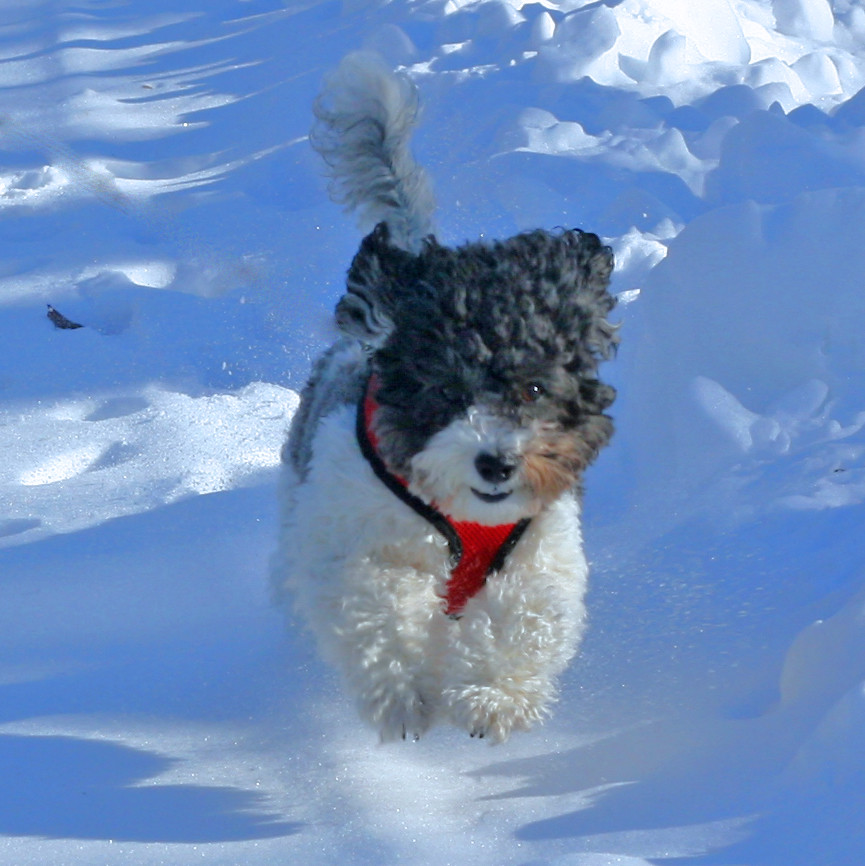
Easy to train
Properly socialized, this active and clever little dog is easy to train and loves performing tricks. In fact, many Havanese are performing dogs and they also make excellent therapy dogs.
Needs regular grooming
With a long, silky coat, and soft, fluffy under coat, the Havanese requires regular grooming and clipping to keep their coat tangle-free and manageable.
Royal beginnings
In the 1800s, these lovely creatures were the lap dogs of Spanish royalty. These regal origins have made the Havanese a little anxious when left on their own. Separation anxiety is not uncommon for these dogs.
The velcro dog
The Havanese love their owners so much, they will shadow them and follow them around the house. This is why they’re known as the Velcro Dog, because given the choice, they will never leave your side.
Great little watch dog
Maybe because of their royal beginnings, these friendly dogs got used to their lofty position because they love to be up high like on the back of a couch. From here they can survey their land and watch out for strangers and passersby. Alarm barking can be expected from these loyal watch dogs, but they don’t bark for long. Just enough to warn their owners and announce visitors to the house.
Adaptable and happy anywhere
As well as a Havanese does in a house with a backyard, they easily adapt to apartment living. They don't require a lot of exercise and enjoy playing and learning new tricks just as much.
Compact little dog
Their diminutive size (8.5-11.5 inches and 7-13 pounds) make them very popular with city dwellers. They're a great little companion dog and love nothing more than to snuggle on your lap. They also get along well with children and strangers.
Family tree
The Havanese get their roots from the Bichon Frise from Havana’s early settlers who brought the little dogs with them to the island. Over the years, they were crossbred with other dogs, but they didn’t become a recognized breed until 1995.
Introduced to Europe in the 1800s
It was during the 1800s that the breed found its way to mainland Spain, France, and England where they took up the laps of Europe’s aristocracy like Queen Victoria.
Today, the American Havanese hails from only 11 ancestors brought over to the States by refugees during the Cuban revolution in 1959. Breeders are working to expand the heritage lines to ensure the enduring health of these delightful dogs.
Susceptible health conditions
Havanese dogs can suffer from several conditions, including:
- Hip and elbow dysplasia
- Shortening of the limbs (Chondrodysplasia)
- Cataracts
- Hearing loss
- Heart murmur
But don’t let all these health ailments put you off. When you find the Havanese you want, whether it’s a rescue dog or one from a breeder, request a health record. Well-bred Havanese dogs are tested for genetic defects and the healthy ones are free of these potential health risks.
No people food
One last thing to bear in mind with the Havanese is their intelligence. So smart are these dogs, they will have you eating out of their hands...or rather paws. This is especially true for their food preferences. It is so easy to spoil these dogs that once they get a taste for human food, they’ll refuse any kind of dog food you put in front of them. So stay strong and try to resist those deep, soulful eyes!