Don’t Know How To Take Care Of Pets?
September 15, 2014 · Updated September 1, 2026

by h m 200


People often associate many benefits for humans with pet ownership. Pets can help you reduce your stress level and improve your emotional well-being. However, taking on an animal is a real commitment and involves a lot of responsibility. Do plenty of research before bringing a pet home — it will give you a clear picture of what the animal needs and what will be expected of you. Care looks different for every pet, because each species has needs of its own. Here are some useful tips to take care of your pets.
Shelter
When you bring a pet home, it will need shelter of its own, whether that is a tank, cage, stable or doghouse. If your pet spends most of its time outdoors, make sure it always has a safe, dry shelter available. A good shelter protects the pet in all seasons — from rain and cold in the winter and from scorching heat in summer. If your pet stays outside during the daytime, bring it indoors at night; this protects it from accidents, bad weather and nocturnal wildlife.
Food and water
When you acquire a pet, be sure you know what it should be eating. Your veterinarian is the best person to ask about the right diet and portion sizes. Most adult pets eat once or twice a day, but puppies, kittens and other young animals need more frequent meals than adults. Feed your pet in a quiet, calm spot. Avoid feeding table scraps — some human foods can make pets sick, and a few are outright toxic. If you need to change your pet’s food or feeding schedule, do it gradually so the switch doesn’t upset its stomach. Clean, fresh drinking water must be available at all times: refresh the bowl at least once a day, and wash the bowl regularly. If your pet lives in water, keep the tank healthy with a working filter and regular partial water changes — a good aquarium store or your vet can advise on a routine for your setup.
Grooming and well-being
Brush and comb your pet regularly to keep its coat healthy. Brushing removes loose fur and debris, and it is a good moment to check the skin for ticks, fleas or anything unusual — if you find parasites, ask your veterinarian about safe treatment rather than treating on your own. Most dogs only need a bath every month or so; bathing too frequently strips the natural oils from the coat, which can lead to dry, itchy skin. Brushing your pet’s teeth with a toothpaste made for pets (never human toothpaste) helps prevent dental disease and bad breath.
Healthcare
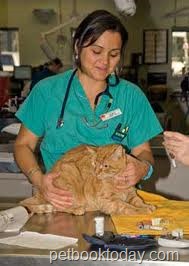
Pets need regular trips to a veterinarian. Like human beings, animals need routine checkups so problems are caught early, and your vet will keep your pet’s vaccinations up to date. Never give your pet any medication — including anything from your own medicine cabinet — without asking your veterinarian first. Besides medical care, pets also need your love, so give your pet some quality time every day.
Things to avoid with your pets
Never leave your pets alone in extreme weather — heat and cold can both be dangerous, and frightened animals can hurt themselves trying to escape. Keep insect sprays, rodent baits and other pest-control chemicals well away from your pets; residue can end up on their fur and be licked off. Be careful with human food: chocolate, for example, is toxic to dogs and can be fatal, so keep it out of reach. Many common human medications are poisonous to animals even in small amounts — if your pet ever swallows one, or if you think it needs medicine, contact your veterinarian right away instead of dosing it yourself.