Can Cats Get Separation Anxiety?
July 19, 2020
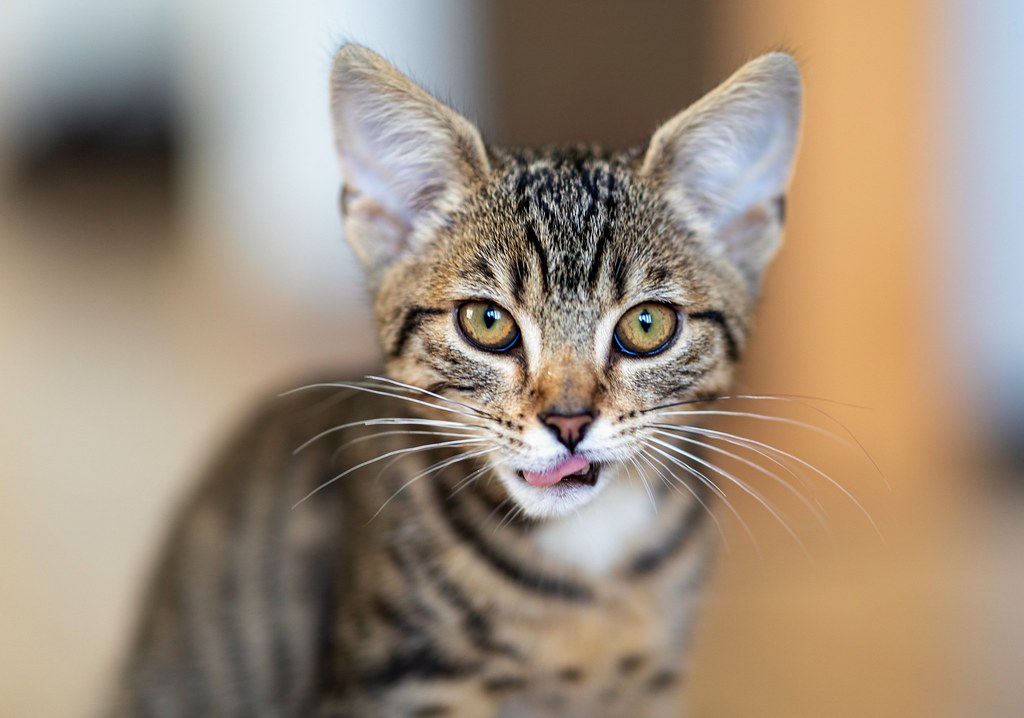
Separation anxiety is something pet owners associate with dogs; however, cats too can suffer from separation anxiety. It’s just harder to detect.
When dogs experience separation anxiety, you know it the moment you walk out the door. If the barking and howling doesn’t happen as soon as you put your key in the door, it most definitely will shortly after you leave and your dog realizes you’re not coming back for a while. Coupled with the fact that dogs are noisier than cats, your neighbours will certainly inform you when you get home that Rover has been going crazy in your absence. If that isn’t a giveaway, the state of your home upon your return will be an obvious clue. A dog who suffers from separation anxiety will take out their discomfort and distress on just about anything they can chew and rip to shreds.
So what clues can you look for in cats who suffer from separation anxiety?
People are often surprised to learn that their cat might be suffering from separation anxiety because we all believe that kitties are independent creatures who are quite comfortable in their own company. But it can happen.
If you suspect that Kitty is not happy being left alone, try installing a web camera in a common area where your cat is likely to frequent during the day. You’ll be able to keep an eye on him from work while you’re away and check in to see if Kitty is in any distress.
One of the most obvious signs of separation anxiety is constant meowing. If that doesn’t get the neighbours’ attention, it will be picked up on camera.
Another common behaviour is pacing. If you notice your cat is circling the room, randomly moving about the space in a panicked state, it’s a sure sign he or she is in some kind of distress.
The first thing you want to do is take your cat to the vet and get him checked out for any medical ailment that may be causing them distress. Hyperthyroidism is one health issue that may present similar symptoms.
Ruling out medical problems, look for other clues. Is he looking for soothing ways to comfort himself, like grabbing hold of his or her favourite toy or hiding in a secure place? In all likelihood, the pacing will never stop. So even if they do find refuge, it will only be for a few seconds before they’re off again meowing and pacing. Now it might not last the whole day, but long enough to be concerned.
How can you soothe your cat’s separation anxiety?
We all have our routine in the morning before we go to work and your cat will be tuned in to this behaviour. So he or she knows that as soon as the alarm goes off, you’re going to be leaving the house soon and s/he is going to be left alone.
One proven method that experts agree on is changing your routine. All this means is changing up the order of how you get ready in the morning. This will help to throw Kitty off and will also reduce the anxiety that begins to build as soon as the alarm goes off.
Part of this morning routine should include spending some time with your cat in active play. Interacting with your cat will help soothe his or her fears of being left alone, and also help to tire them out. After about 10 or 15 minutes of active play, give them something to eat.
Avoid giving them a full bowl of food for breakfast. Instead give them about half their regular portion and use an interactive feeding toy or puzzle to keep them occupied and distracted so you can make a clean getaway without being noticed. This can be as simple as a treat ball or an electronic food dispenser. There are many products on the market to choose from, ranging in price from the affordable to the very expensive.
Another important thing to remember is to make sure you don’t make a fuss when you leave. Making a big production out of your departure with long ‘goodbyes’ and lots of kisses and cuddles will only trigger his or her anxiety. Quietly and discreetly slip away as soon as your cat is busy with his interactive cat puzzle. If he’s occupied, he won’t notice you leave.
Set up a cozy place by a window where your cat can watch the world go by. Affectionately known as Cat TV, a window offers Kitty the kind of distraction he needs to help him get over his separation anxiety. Try installing a bird feeder in view of the window so he can watch and be entertained all day long.
At the same time, provide a safe place for your cat like a cardboard box or a kitty condo that he recognizes as his happy place where he feels secure. Fill it with his favourite toys and some treats before you leave, so he feels secure and happy.
Knowing your cat’s back story, especially if you’ve rescued Kitty from a shelter, will help you understand her behaviour. Most cats who suffer from separation anxiety have experienced some form of trauma in their life before they came to live with you. Find out as much as you can when you adopt them and keep an eye out for any unusual behaviour.
If all else fails, consider getting a second cat. Just make sure it’s a feline that he or she will get along with and come to love as their very own.
Nobody likes to be alone, including cats and dogs.