Ferreting Around? | Ferrets as Pets
May 20, 2015
Ferreting Around? | Ferrets as Pets
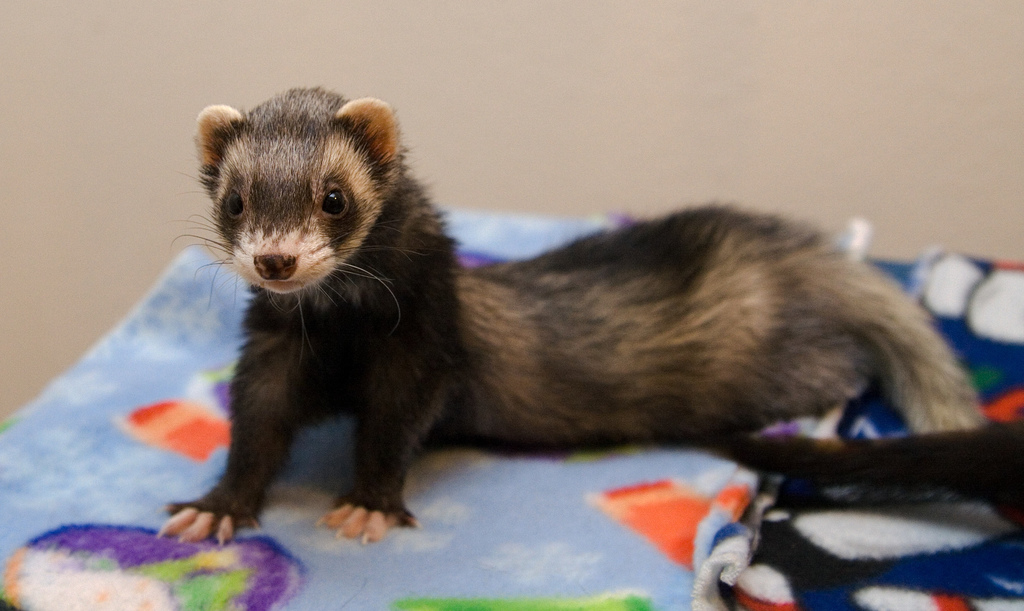
Should you get a ferret as a pet? If you decided to stop and read this blog post about having ferrets as pets, you could very well be wondering this. Actually, you’re on the right track, because ferrets make wonderfully entertaining pets and can quickly become part of the family, just like a dog or cat. Ferrets can even be house trained, so you can let them romp around your house and they’ll scurry to their potty when they have to do their naturals.
When I said “wonderfully entertaining” I meant it, and here’s a lovely video compilation to show you just exactly what I mean.
So, I imagine you’re probably completely suckered into getting one of these curious little creatures now that you’ve watched that display of their erratically silly behavior; after seeing them playing with those cats, I’m almost tempted myself to go out and get one as a little annoying friend for my pooch. If this is the case, then there are certainly some things that you should know:
What to be wary of
Ferrets need almost as much care and attention as a dog or cat, including certain vaccinations and other things that I’ll cover below. So, do make sure that you’re ready!
If you don’t intend on breeding your ferret friend, then you need to know that female ferrets need to be spayed. If they’re not spayed then when sexually mature they remain in heat until they reproduce and if they don’t reproduce then they can actually develop a fatal disorder called “Pyometra”.
They’re very social and crazy intelligent, so when it comes to ferrets – two are better than one.
They aren’t well suited to small children as their friendly nips can hurt a child and a child can easily hurt the ferret also from mishandling.
Caring for a ferrety friend
Cage:
- Multiple levels.
- A hammock or other similar area for them to burrow.
- A dark enclosure for sleeping.
- Cloths or other materials for bedding (should be frequently washed).
- It needs to be regularly scrubbed.
Litter:
- It’s a good idea to have a few litter boxes (one for the cage and others for outside of the cage while playing).
- Shredded paper makes a good litter material.
Veterinarian:
- Keep in mind that your little ferret does need some vaccinations and will need to go to the vet occasionally to ensure good health.
- You’ll need a carrying cage for safe transport.
Feeding:
- Heavy ceramic bowls are perfect for food. But, for water you’re going to want to supply a sippy bottle cage attachment, as these mischievous little guys will upturn the floor dishes.
- Ferrets are carnivorous, so they need lots of meat and due to their fast metabolism they need lots of animal fat. You can buy highgrade ferret food, but be wary that it doesn’t contain fish as sometimes mink food is sold as ferret food and while minks love fish ferrets hate it so much that they’ll sometimes starve themselves instead of eating it.
- A mix of foods at a young age is a good idea too, so that their digestive system can develop properly.
- For more details you can check out this wonderful article from Love that Pet: Ferret Food | A Recipe for Success
Romping around your Home:
- Make sure you research on the best ways to ferret proof your house, they are after all weasels and as such can “weasel” their way into just about anything.
- Also do your research on training your ferret to use its proper litter box, this will take some time, but they’re super smart so with patience you can get it!
- They don’t do well with heat, so any time temperatures reach above 27 degrees Celsius provide them with a ice pack to lay against and cool down.
Well, we hope this has helped you make your final decisions on whether or not to get a little ferrety buddy. Of course, you’ll want to get as much information as possible from the pet store where you get your friend, as this article can only provide a baseline.
Source:
Author: Aileen Schultz