Genetics of Dog
July 6, 2016
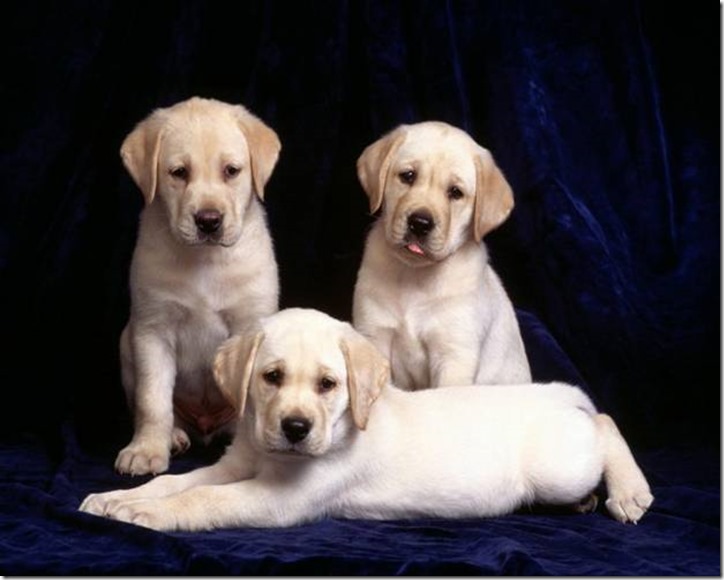
The dog lovers are well aware of the fact about different dog breed, like if you want the friendly dog then do buy Labrador retrievers, Dalmatians is a breed that are over excited and Australian shepherds are intelligent breed.
From centuries dog breeding for some phenotypes or defined characteristics has been going. Dogs are the workers and the best companions in providing services to humans; therefore, they have been breed to emphasize desired characteristics. For example, Dalmatians are good coach dogs, due to their outstanding looks and they are calm around domestic animals such as a horse. Breed for stamina, they have the stamina to run all day along horse carriages. Where as a house pet, their surplus energy makes them seem odd and can result in less wanted behaviours, such as chewing and biting on furniture.
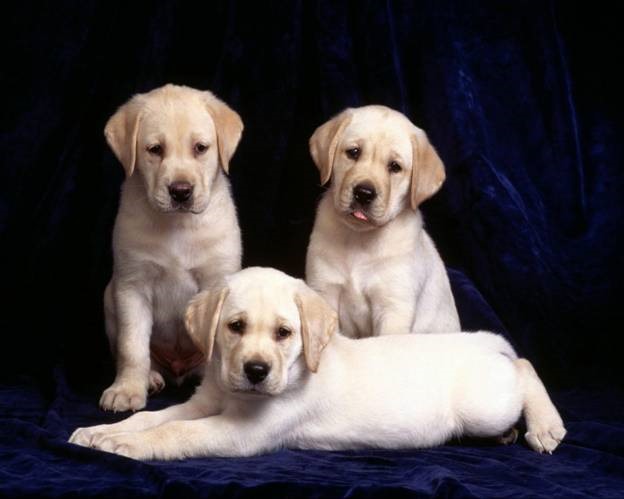
Dogs and Their Appearance:
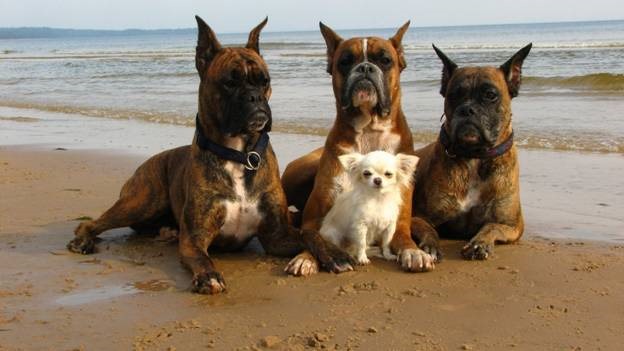
Different dogs have different appearances. It is commonly known that dogs ancestor are wolfs.
If wolves evolve dog, then there must be capacity in wolves for this diversification anywhere in their genomes. In a research, Vila and his classmates compared the DNA of wolves and dogs and came out with the result that wolf and dog’s genomes are very much alike to study their evolution. However, mitochondrial lineages are obviously distinguishable for two species.
Tameness:
Beside tameness researches showed that dog has certain characteristics linked with juvenile wolves, particularly their behavioural characteristics such as barking, whining, and submissiveness. Dmitry Belyaev, a Russian geneticist focused on guiding characteristic tamability. His thought was that not only human beings would have chosen the tamest pet to spend life with; however selection for any characteristic could increase the level of the whole set of alterations in form, behaviour, and physiology.
The Human-Dog Relationship:
According to Tomasello & Hare research done in 2005, beside tameness, another exceptional characteristic of dogs is their capability to know humans. For instance, if you indicate by pointing or just look toward a particular object (a jar consisting dog’s food), the dog will probably investigate the thing, and even the chimpanzees lack this skill. German researcher, Brian Hare considers this as an illustration of convergent evolution, the appearance of such characteristics that forms independency in these two species. Hare's theory is that first comes to domestication and after turning down fear response; the expansion of common skills takes place.
Dog’s domestication has happened over numerous millennia. Recently, the beginning of unnatural breeding exercises that are controlled has separated genetic inconsistency into different phenotypes. In reality, majority of the dog breeds evolution is a comparatively fresh phenomenon, starting with choosy breeding exercise during last 200 years. Today, a variety of breeds reveals a huge unpredictability in shape and size, as well as cover qualities. Behavioural characteristics are also based upon humans being utilization of dogs for hunting, herding, and companionship and guarding. Phenotypic difference between dogs is presently divided above 350 different breeds globally; these breeds are mainly closed populations that have little genetic difference.
Reference
· http://www.nature.com/scitable/topicpage/genetics-of-dog-breeding-434