What To Do When You Find A Wild Baby Rabbit
August 9, 2022
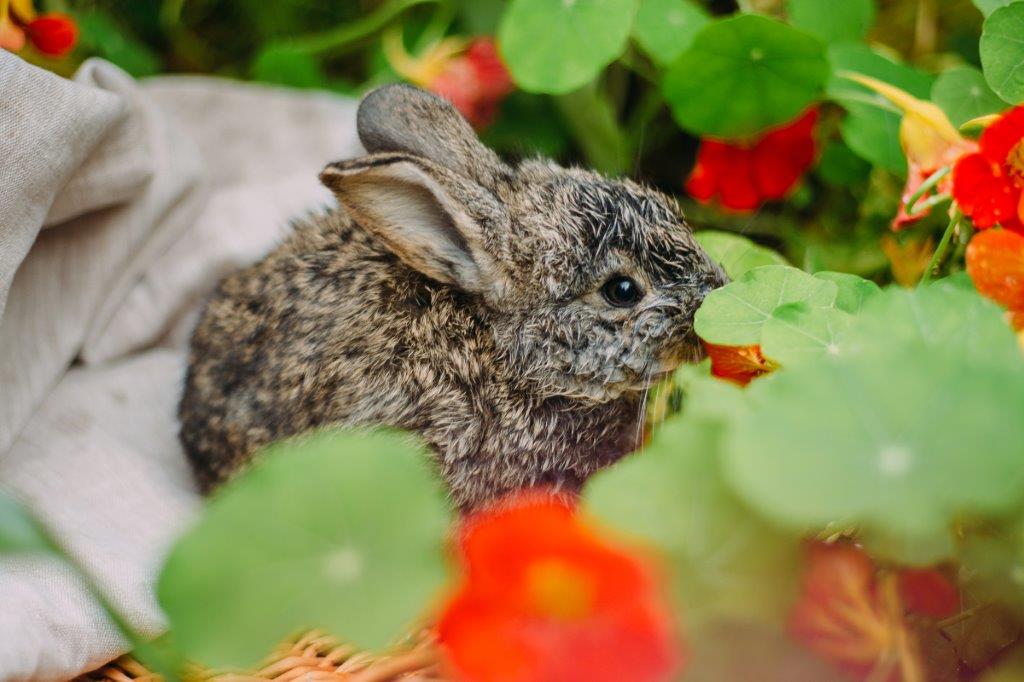
Photo credit: zhuravleva_katia
We know from all the different kinds of pet rabbits available that there exists several distinct species. Well, the same is true of wild rabbits. With more than 13 different species reported around the world, wild rabbits are a natural part of any backyard environment.
There are several different sub-species of Cottontail Rabbits in the northern and southern Americas. These include:
- Brush Rabbit and San Jose Brush Rabbit
- Desert Cottontail
- Mexican Cottontail
- Eastern Cottontail
- Tres Marias Cottontail
- Mountain Cottontail
- Appalachian Cottontail or Allegheny Cottontail
- Robust Cottontail
- New England Cottontail Rabbit
- Andean Tapeti or Andean Cottontail
- Bogota Tapeti
- Swamp Rabbit
- Common Tapeti
- Ecuadorian Tapeti
- Dice's Cottontail
- Fulvous Tapeti
- Central American Tapeti
- Northern Tapeti
- Omilteme Cottontail
- Nicefor's Tapeti
- Marsh Rabbit
- Suriname Tapeti
- Colombian Tapeti
- Santa Marta Tapeti
- Western Tapeti
- Coastal Tapeti
- Venezuelan Lowland Rabbit
Suburban Cottontail Rabbit
HABITAT - The Cottontail that we see in our backyards is likely the Eastern Cottontail. They are naturally attracted to our gardens because they feel at home amongst the flower borders and luscious green lawns. With enough green grass to romp around, there’s always plenty of shrubbery to take cover when danger comes calling.
DIET - At dawn and dusk, you’ll find Cottontails grazing along the edges of suburban parks, golf courses and gardens. They love to eat grass, especially clover and dandelions. They will also munch on bark, twigs and the leaves of young trees.
NESTING - From March to September, it’s not uncommon to see baby Cottontail Rabbits hopping about the neighbourhood. This is the Cottontail’s typical nesting period and female rabbits can have as many as four litters per year. They will give birth to four or five baby rabbits or kits each litter, nurturing them for the first three weeks of life. This is the time that baby rabbits leave the nest and are strong enough to feed and fend for themselves. By three months, they will be fully grown adults.
It’s easy to spot a Cottontail’s nest, because they are above ground and not in a burrow. The female builds the nest in a dip or hollow in the grass, covering the babies with hair and grass. She will leave the nest during the day to graze and forage and return to feed them twice a day.
Wild Baby Rabbits Do Not Need Your Help
At three weeks old when the baby rabbits leave their nest, they will look tiny and vulnerable and you might be tempted to “rescue” them and take them home. But if they are fully furred with eyes open and ears erect and able to hop, they are perfectly capable of taking care of themselves.
So do not disturb a shallow nest or take a furry, wild baby rabbit home. Let them be. When we intervene, we can do more harm than good and the Cottontail will likely not survive.
If you do happen to find an injured rabbit, call your local wildlife rehabilitator. You can tell if the rabbit is injured if there is any presence of blood or if they are cold, wet and making a crying sound.
Apparently, animal rescue receives many calls a year about rabbits getting stuck in car grilles after being struck on the road. One man in Wales, England, travelled for 30 miles before realizing he had a rabbit on board, stuck behind the grille of his car. He told The Guardian that when he had hit the rabbit, the car’s plastic grill snapped, forcing the rabbit behind it. Luckily, this hiding spot was safe and secure for the entire journey. The rabbit was released before animal services could inspect it for injury.