How To Avoid Dog-On-Dog Aggression
March 26, 2018
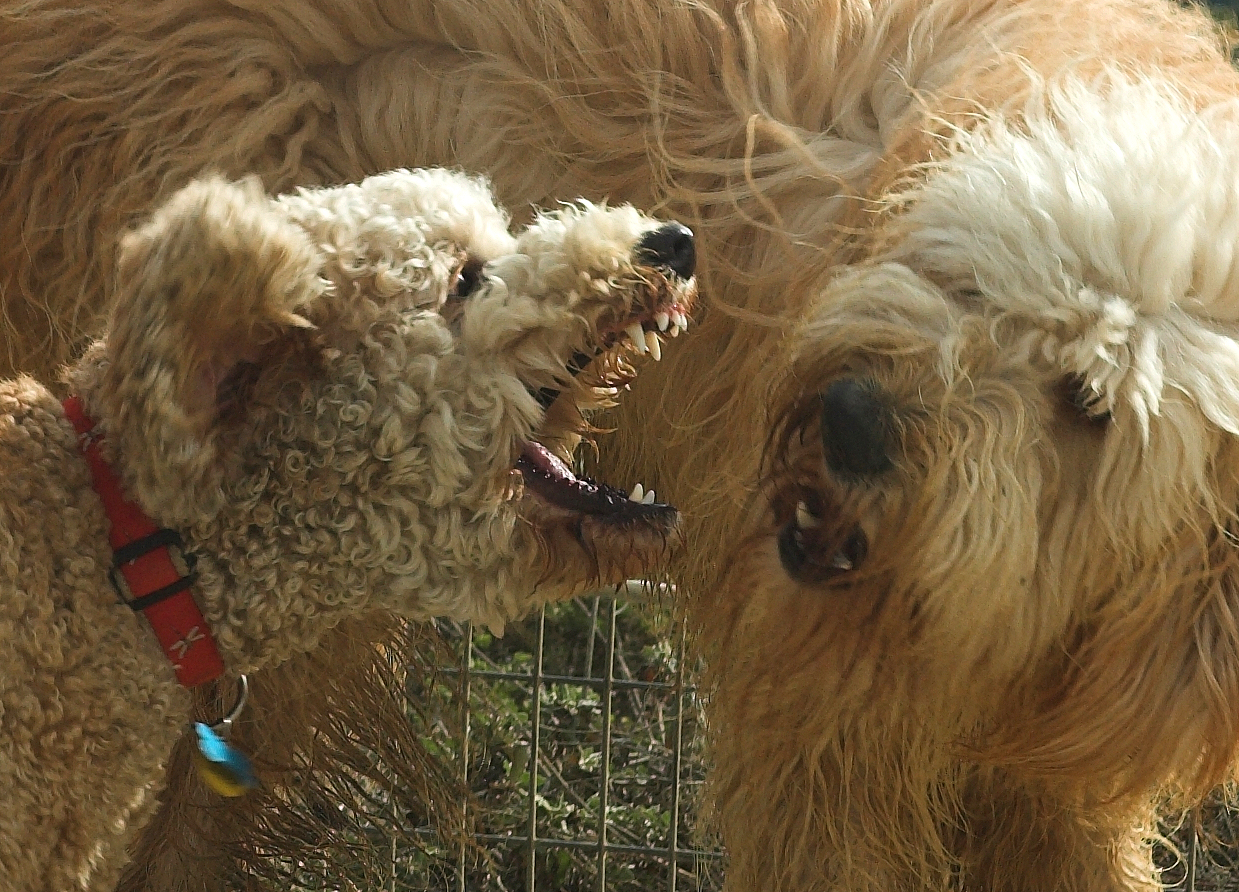
Without a doubt, Canada is a dog-loving nation. Humans love their canine companions so much, they’re prepared to spend $62.75 billion a year on their pets, and that includes fish and reptiles.
These 2016 statistics from the American Pet Products Association show two things:
- An increase in people owning pets
- An increase in money spent on our pets
Part of this increase in new dog owners reflects our modern times and a shift in family dynamics. Millenials are opting for dogs over kids, due to financial and time constraints.
Dog-On-Dog Aggression Number One Reason Dogs Are Surrendered
But as we grow as a nation of dog owners, there’s a very strong chance that there will also be an increase of dogs ending up in rescue shelters. Dog-on-dog aggression is one of the top reasons dogs find themselves surrendered to a shelter. According to many professionals in the industry, it is fast becoming the most common type of behaviour problem among dogs, and it can be very tricky to correct.
Dog-on-dog aggression can stem from so many past experiences or reactive behaviours that it’s hard to pinpoint the source. But one thing is for certain – dogs are social creatures and instinctively, they should get along with other dogs more often than not. However, if you were to ask any vet, trainer, or dog walker, you’ll find the opposite is true.
Dogs Need Healthy Socialization
Many dogs who are not socialized properly when they were puppies will have trouble making friends at the dog park. These dogs are more likely to behave badly on leash, barking, pulling and lunging at other dogs. It’s a behaviour that needs correcting right away, as it can lead to all sorts of potentially dangerous situations.
If you read up on dog-on-dog aggression, you’ll find that human intervention and how we raise our dogs has a lot to do with this behaviour. When a dog is just a pup and still with its mother, it learns to respect that she is the leader of the pack. The mama dog will correct bad behaviour if a pup becomes too aggressive playing with its siblings. If puppies stray too far away from mom, she will bring them back to safety and the warmth of home.
Too often we spoil our dogs, afraid to discipline them or not knowing how without being mean. Dogs that pull on the leash, dogs that bare their teeth at home, dogs that jump on people, if these behaviours aren’t corrected, then they give a clear message to your dog that he’s the boss of you.
When these behaviours lead to dog-on-dog aggression, our tendency is to avoid other dogs. We cross the street to avoid an encounter with another dog, or doubleback down side streets to dodge bumping into the dog nextdoor. We keep our dogs are home and in effect, isolate them from a world they naturally want to engage with.
In some cases, when this aggression becomes too much to handle, people will surrender their dogs to the shelter. Then the behaviour becomes someone else’s problem and the cycle continues.
For a nation rich with dog lovers, I think we owe it to our community to raise our dogs right and encourage them to get along. I can’t tell you how quickly a dog park can turn hostile when a badly behaved dog enters, stirring up trouble for everybody and causing fights.
Dog-on-dog aggression is very real and it can be avoided by socializing your puppies when they’re young, making sure you correct aggressive behaviour right away before it gets out of control.
by Natalie Secretan
Owner of Puppy Dog Capers
Photo credit: Jochen Frey - Intimidation