Keep Pets Safe: 10 Toxic Plants To Avoid This Season
December 21, 2021
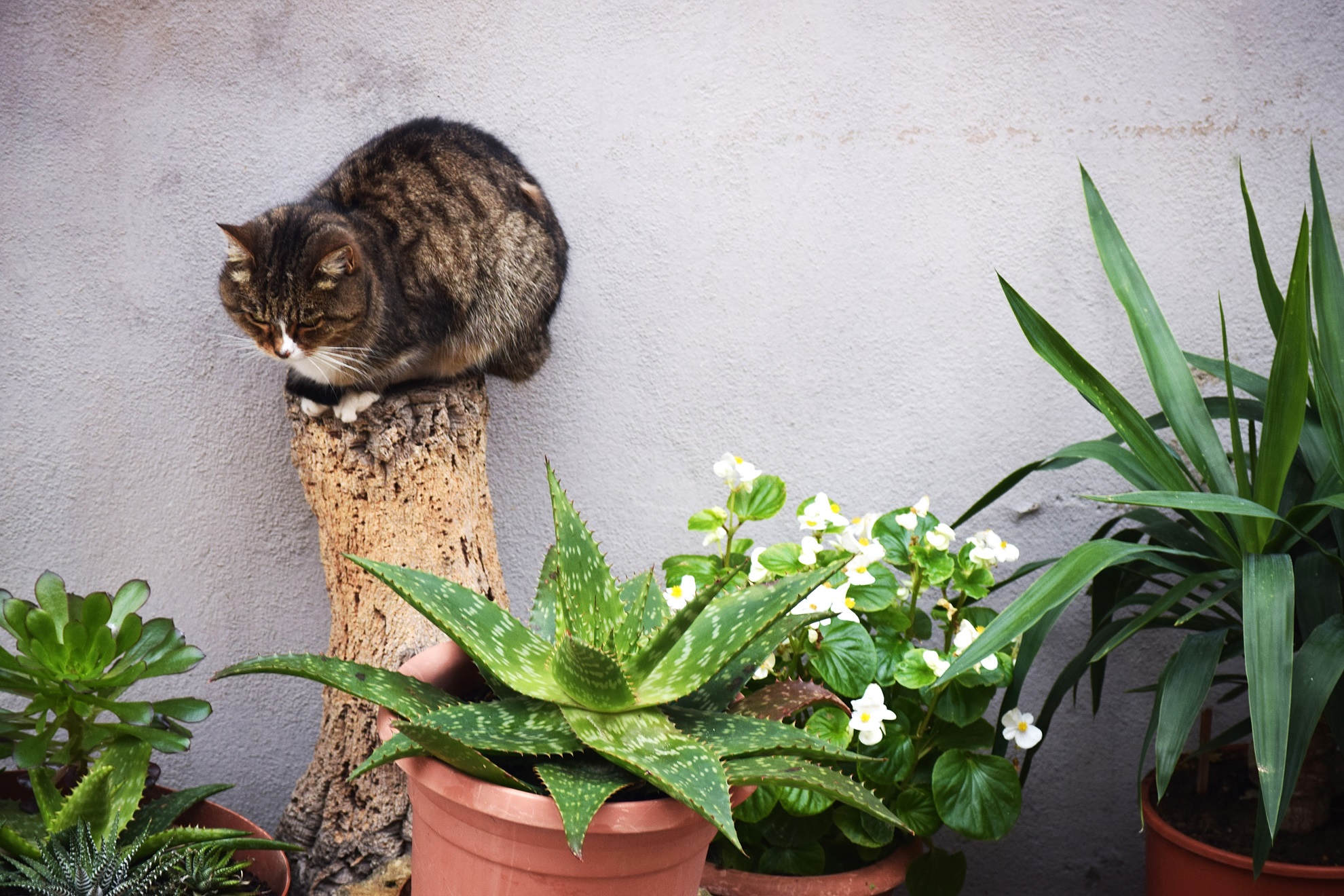
Photo credit: cbarbalis.web125540
Part of the thrill of celebrating the Holidays this time of year is to decorate our homes with everything festive. But when you live with cats and dogs, you have to be extra careful not to bring anything toxic or harmful into your homes.
According to pet insurance companies the world over, there are 10 plants that could pose a threat to your pets and are best to avoid this Holiday season.
- Poinsettia plants
- Mistletoe
- Christmas trees
- Amaryllis
- Lilies
- Holly
- Laurel plants
- Snowdrops
- Yew
- Ivy
Poinsettia plants: A festive favourite with many people in this country mainly because of its beautiful red and green foliage, the poinsettia contains a chemical in its milky white sap that causes an extreme reaction in both cats and dogs, including nausea, vomiting, drooling, diarrhea, and irritation of the skin , mouth and throat.
Mistletoe: So much fun to hang mistletoe from the door and beckon your sweetheart over for a quick smooch. But those berries contain chemicals such as polysaccharides, alkaloids and lectins that spell trouble for your pets. If your cat or dog happens to eat just one berry, they will suffer stomach upset, tummy pain and vomiting. If a whole bunch is consumed, they could experience irregular heart rate, low blood pressure and weakness.
Christmas trees: Quite simply, Christmas trees shed sharp pine needles that might tear the mouth, throat and intestine, if your dogs and cats chew or swallow them. Pine needles also contain toxic oils for cats and dogs that will upset their tummies and irritate the lining of their mouths.
Amaryllis: We love giving our Aunties an Amaryllis for Christmas, knowing they’ll think of us as the flower grows and blooms. But for a pet owner, this plant is toxic. The bulb of the plant is especially poisonous, but the whole plant when eaten can cause severe stomach pain and vomiting, loss of appetite, lethargy and tremors.
Lilies: Inside or outside, lilies are one plant you want out of reach of pets. Especially dangerous to cats, lilies can severely damage the GI tract and result in kidney failure.
Holly: Another beautiful but spiky plant that can irritate the mouth and digestive lining if eaten. Holly will irritate your pet’s mouth and result in drooling, vomiting, diarrhea and sometimes excessive head shaking.
Laurel plants: The fragrant laurel leaf known as the ‘bay leaf’ and the cherry laurel are both equally toxic to cats and dogs. If ingested, they will experience vomiting, stomach pain, hypotension and sometimes muscle weakness and seizures.
Snowdrops: A lovely winter white flower that is often grown in pots indoors, if your cat or dog takes a bite out of this plant, they will have a similar adverse reaction as to mistletoe. Symptoms of toxicity include abdominal pain, vomiting, incoordination and a drop in heart rate and blood pressure.
Yew: Another beautiful evergreen with red berries, this plant is extremely dangerous for pets. When eaten, your pet will experience vomiting, weakness and difficulty in breathing, resulting in a potentially fatal drop in heart rate and blood pressure.
Ivy (Hedera): A popular indoor and outdoor plant, ivy is a particularly nasty plant for pets because it can irritate their skin just by brushing up against it. When eaten, ivy will make your dog or cat sick and may cause diarrhea.
So, there you have 10 toxic plants to avoid this Holiday season.