Is A Cockatiel Right For You?
March 9, 2021
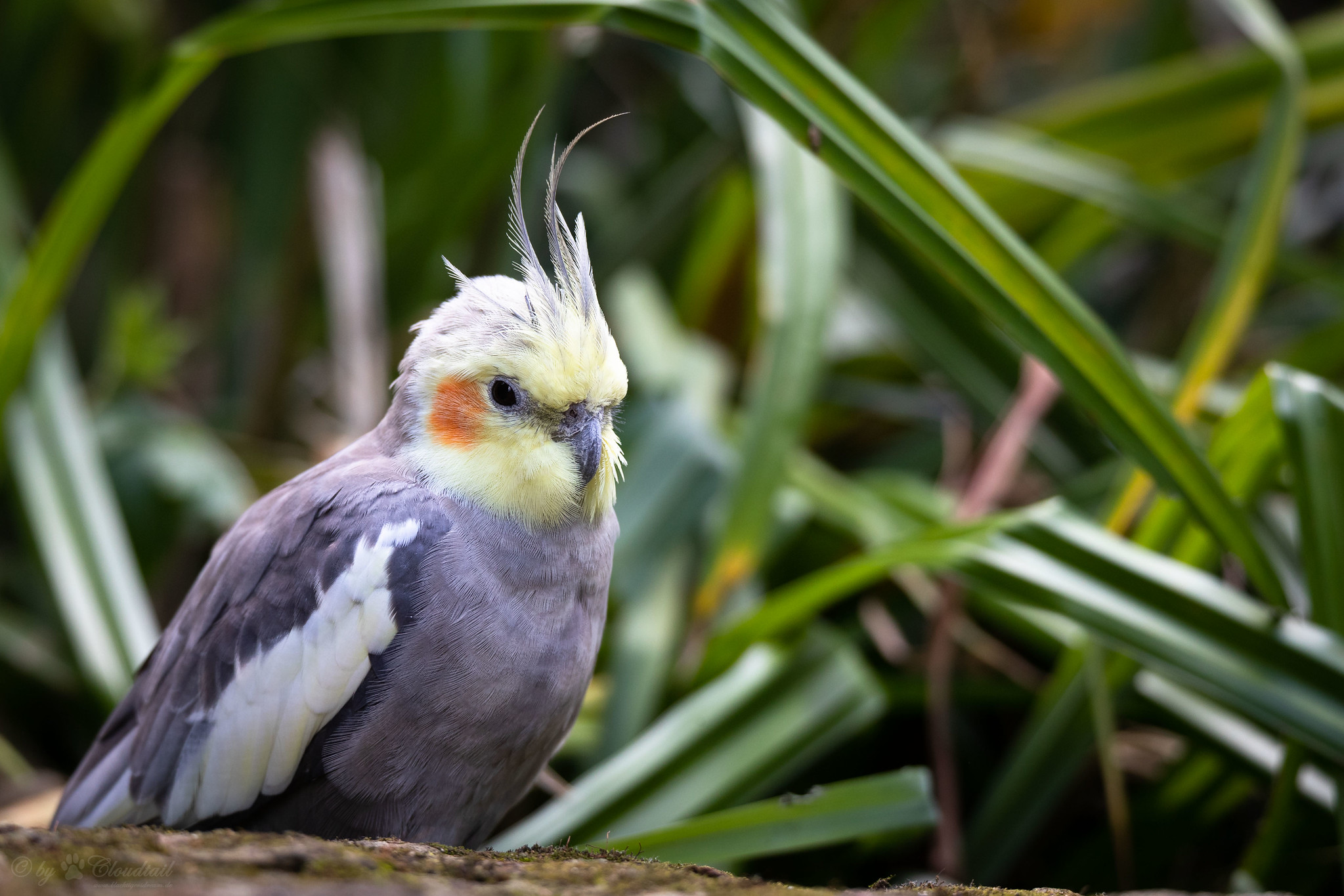
Photo credit: Cloudtail the Snow Leopard
The rosy-cheeked cockatiel makes a delightfully attentive, affectionate and inquisitive pet. As part of the parrot family, the cockatiel is second only to the budgerigar as the most popular companion bird worldwide. So what makes the cockatiel such a fan favourite?
The cockatiel (or Nymphicus hollandicus) is considered the smallest bird in the Cockatoo family. They share a similar crested head that they use to express emotion. It is this feature that links them to the Cockatoo family.
Cockatiels are relatively easy to take care of and come in all different colours, ranging from white to silver to cinnamon. Different patterns along the cockatiels feathers such as pearling or lace also feature in these mutant colour variants. As a result of select breeding, it is said there are 22 different colour mutations, including:
- Pied: splotches of different colours.
- Lutino: instead of the inherent grey colour, these birds are white to soft yellow.
- Fallow: like the cinnamon cockatiel, this bird has a warmer tone and grey feathers appear more brown.
Colour mutations also affect the eyes, which can vary from red to dark, and also to the face where changes can be seen in the colour of the cheeks and head feathers. From whiteface to yellow cheek and pastelface, the cockatiel is a gorgeous looking bird.
Cockatiels are affectionate birds that love nothing more than a head rub. They will let you know when it’s time for this kind of attention by bowing their head. They also like to have their crests stroked. Their need for attention can be great at times, but often they are just content to sit on your shoulder or beside you.
If you’re looking for an entertaining cockatiel who will sing, whistle and dance, then make sure you choose a male bird. Telling the gender of a cockatiel is not always easy. The only way to make sure is to get your vet to check. Sometimes you’ll also need a DNA test.
It’s not uncommon for cockatiels to suffer from night frights, where they can fall off their perch and sometimes even damage their tail feathers or feet. Covering your cockatiel at night can help.
It should be noted that cockatiels produce a lot of dander. This is a white powdery substance that they shake off when they preen themselves. If you are allergic to dander or you have asthma, a cockatiel is not the companion bird for you.
For more information about cockatiels, visit the Australian National Cockatiel Society. http://www.cockatielsociety.org.au/