Moving with your cat
May 30, 2016

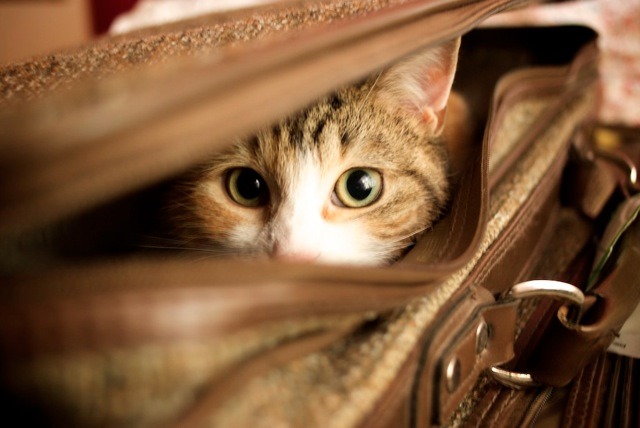
Cats do not like changing the environment. If they were to choose, then they would obviously prefer to stay in the place where they are used to. Unfortunately movement is inevitable. At a point in life, people together with their pets have to move and change their locality. Making the transition as stress-free as possible to your cat companion could have great benefits, including lowering the risk of fear-based house soiling, too much crying and meowing, aggression and escaping attempts.
Moving a cat to a new home comprises three fundamental aspects: pre-movement preparation, the movement and settling into the new place.
Pre-movement preparation
Allow the cat to be used to the transportation device. You can also leave the door open with the cat sitting out and a comfy bed inside. Infrequently, you can leave several cat treats in it so your cat can figure out where they are on their own. Start feeding your cat inside the carrier. If your cat hesitates feeding from inside the carrier, then you can provide its food just next to the carrier. After some few days, put the food near the carriers opening. As time goes by, adjust the position of the food, moving it gradually inside the carrier and the cat get used slowly. For you to be certainly sure that the cat is comfortable with the carrier, you can place the food at the back of the carrier and observe the cat move inside to go eat. Allow the cat to be used to your packing boxes a couple of weeks before you start packing. In most cases, try to enclose your cat somewhere in a quiet room while you are packing to prevent it from being nervous about what is actually happening. This will also help to confine the cat which could probably hide in one of the boxes due to fear. Also, try to keep your cat’s daily routine like feeding program, as stable as possible. Make sure the cat is properly attended to and food provided according to its daily schedule. You can use the help of a timer just to make sure you are not forgetting this at all. If your cat is nervous, skittish or easily stressed, then you can talk to the veterinary about using anti-anxiety medication in order to make the moving process comfortable on him.
The movement
Give your cat small breakfast in the morning before movement to help reduce stomach upset during travel. While on transit, do not be tempted to open the cat’s carrier with an intention of soothing him. A scared cat may attempt to escape. You should only open the carrier in very secure places and only when it is absolutely necessary. Remember to carry a roll of packing tape to be used for emergency purposes in an even the carrier is damaged.
Settling into the new place
To begin with, make sure the new home is cat-proof. Make sure that all windows have protected screens, get rid of any poisonous houseplant and ensure that no pest-control traps are left within the house. You should then take your cat to a very quiet room before opening the carrier. Put cat food and other things it may need in that room to avoid stressing the cat.
Reference
http//pets.webmd.com