The History of the Ship’s Cat
March 31, 2020
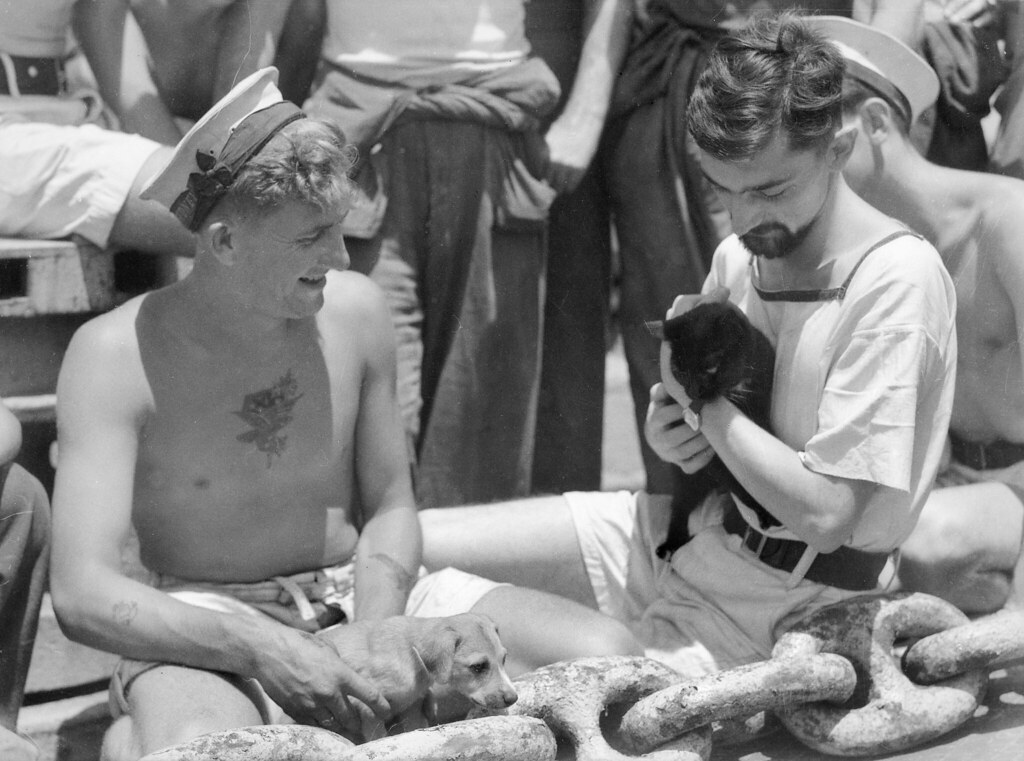
As is the case with dogs, we adopted cats into our lives as working animals to help us fend off vermin and save our harvest and our shipped goods from being devoured by rats and mice.
This working relationship first started about 10,000 years ago between cats and neolithic humans, who were technologically advanced in their farming skills. But where there’s grain, there’s rodents and these critters attracted all sorts of cats to the grain stores. This was the first appearance of the ancient cat known as Felis Silvestris Lybica or African Wild Cat. They were large, wild, muscular cats that tolerated the humans for the exchange of a lifetime supply of mice and rats.
So grew a necessary bond between humans and ancient cats. When the import and export shipping market opened up, many of these cats found their way onto ships headed for Europe. Ships are known for their overpopulation of rodent stowaways, and these cats not only offered pestrol control but became loving companions to the sailors on board.
Rats and mice can cause a lot of damage to a ship, gnawing on ropes and wood and eating supplies and cargo. They are also known carriers of disease as in the case of the Black Plague that infected most of Europe in the 1300s.
This relationship between sailors and cats helped domesticate this magnificent creature and introduce them to the rest of the world. So many amazing stories exist around many of these ships’ cats including:
- Blackie – HMS Prince of Wales
- Camouflage – US Coast Guard LST
- Chibley – Barque Picton Castle
- Convoy – HMS Hermione
- Emmy – RMS Empress of Ireland
- Felix – Mayflower II
- Jenny – The Titanic
- Mrs Chippy – Endurance
- Nansen – Belgica
- Peebles – HMS Western Isles
- Rinda – SS Rinda
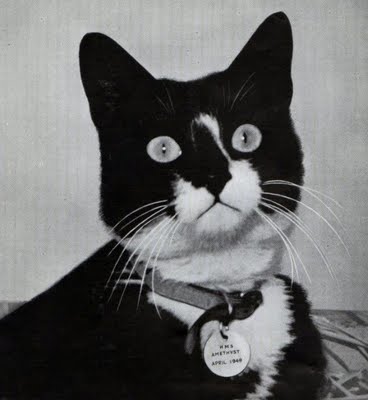
- Simon – HMS Amethyst
- Tiddles – HMS Argus & HMS Victorious
Perhaps one of the most famous and remarkable cats is Unsinkable Sam, who began his life as a ship’s cat onboard the German battleship Bismarck. He made a name for himself when he was picked up as one of the few surviving members after the ship was sunk on May 27, 1941.
He was rescued by HMS Cossack and resumed his role as ship’s cat for the battleship, but she too met her end in October of the same year. But Unsinkable Sam survived yet again and soon took sail on HMS Ark Royal as the honourable ship’s cat, until it was torpedoed in November. It had been a tough few months for Unsinkable Sam, but he remained true to his name and survived another sunken battleship.
Luckily, his sailing days were over and he found himself employed as Chief Mouser at the government building of Gibraltar’s Governor General until his retirement. Then he got to return home to England, where he lived out his days at a home for retired sailors. You can find his portrait hanging in the National Maritime Museum in Greenwich.
Such an extraordinary life these ships’ cats have had and what great companionship for sailors away from home.