What Your Pet Feels In Your Absence
September 15, 2014

by h m 200
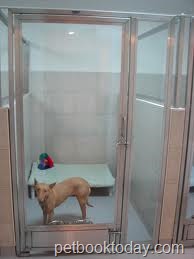

Pet owners love to spend a lot of time with their pets such as playing, cuddling and even talking to them. These pets are surely very loyal and loving companions. The more love you give them, the more you get back from them. But it might not be possible for you to take care of your pets and give them continuous undivided attention due to your weekday work schedule, weekend commitments with family and friends or your travel schedule.
Though many people love to carry their pets on vacation and other places, but sometimes these pets have to live alone with someone else. Staying with unfamiliar people in a strange environment can be very depressing for pets. Some pets even stop eating and develop behavioral issues. Pets often demonstrate minor behavioral changes but your prolonged absence can develop very negative effects on them. If these animals are not diagnosed and treated well on time, they can develop severe disorders with increasing harmful health effects with time. Therefore, you must identify the strength of physical and mental depression that your pet can develop and sort out the matter to relieve the after effects of your absence.


Cats and dogs develop some significant behavioral problems such as sulking, hiding, vomiting, whining and following you when you leave. When you finally come back they may reveal different signs such as welcoming you upon arrival, hyperactivity, exhaustion, change in hunger etc. These behavioral changes can indicate some other health problems such as weight fluctuations, violent behavior, disobedience and other severe circumstances. You should immediately consult a veterinarian to alleviate these conditions.
To deal with these unwanted behaviors you must instill some techniques in your pet as soon as you bring it home. Leave your pet alone for sometime every day and do not always sit besides it while it eats food. Following this plan everyday will develop a sense of independence in the pet. This will help the pet avoid depression, anxiety and sickness when you are away. You can also leave it in solace to play with a toy, with children or at a park. Add more isolated elements for your pet; anything that helps it to deal being alone. Usually cats enjoy jumping on trees and mounting on towers and branches. With all activities always make sure that you do not leave your pets in any condition that might be dangerous for them as well as for other people around.
Emotional disturbances can be dealt with some behavioral alterations but sometime these techniques won’t be enough. You will have to consult a veterinarian for sufficient medication. In some cases pets are not cured upon medication because the medicine only represses anxiety rather than curing them completely. These medicines can leave side effects and make it difficult for you to manage the situation.
Text links:
http://www.facebook.com/note.php?note_id=135155080680
http://bloggerparty.com/node/46671
Picture links:
http://t3.gstatic.com/images?q=tbn:ANd9GcQ0FzNsFvY79tq8ZnfQMoYh1n2q8Mc49I0KYZ3Y8ySwy0N5Ym_w1w
http://ocpets.ocregister.com/files/2010/09/onset-Enzo-LN-19281-4993480.jpg

http://t1.gstatic.com/images?q=tbn:ANd9GcQH370SoC5cZJ-LYrxVdmOI9eOd5ER40C1QK5UZrkyFA7OTE-vo
http://t2.gstatic.com/images?q=tbn:ANd9GcReJOv6GoqJp5EChlzfXIMt5JWpn6QqlOCaYFmoctldMCne_W-pfA