Why Are Cats Afraid of Cucumbers?
December 1, 2022
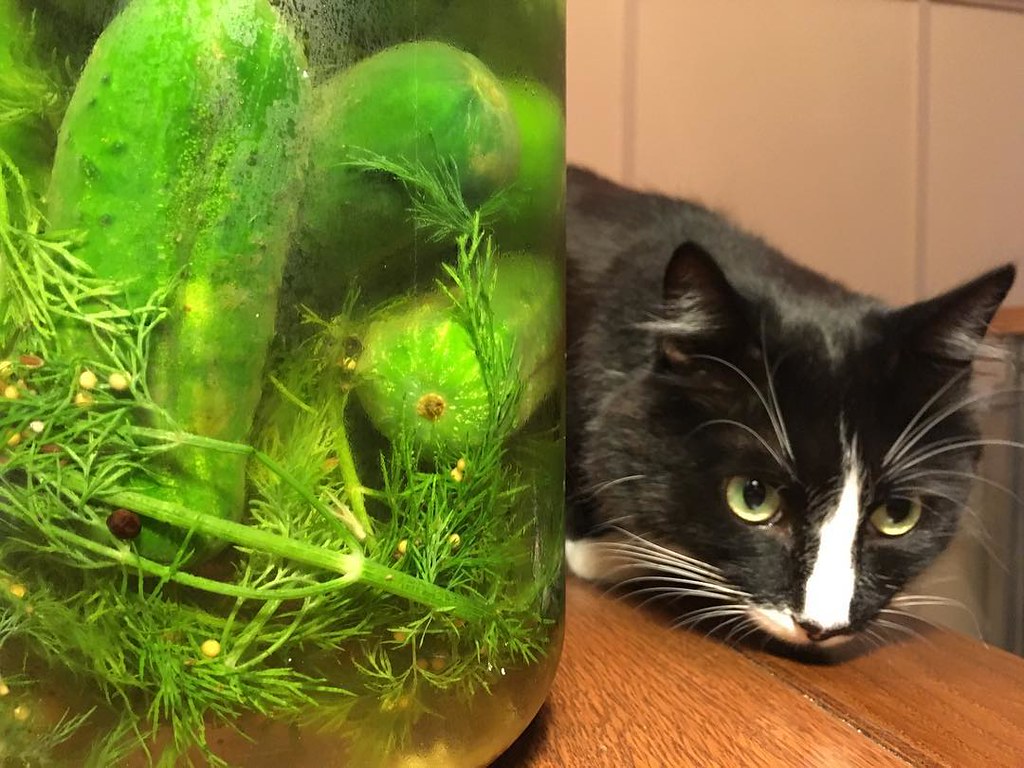
Cats give us endless amounts of love and affection, as well as a few laughs along the way. They can be funny and baffling at the same time, but they always leave us smiling. That’s why #lolcats is so popular, because cats are hilarious.
Take the online craze of cats and cucumbers. What is it about cucumbers that injects intense fear in cats? Given their reaction, just how healthy is it to test out the cucumber theory on our cats? Are we harming their health by doing so? Read on to find the answers to all these questions.
Understanding Fear In Cats
Unlike dogs, cats are not pack animals. They are solitary creatures that live solely by their own wits. When they are out hunting, they use their finely tuned senses to detect danger. But being lone hunters, they have no teammates to rely on for survival, so their senses are more heightened and you could say, so too are their reactions to danger. Their ‘jumpscare’ threshold is very high.
Why Are Cats Afraid of Cucumbers?
As many of us have seen in the hundreds of cat and cucumber videos online, a cat’s jumpscare instinct is effective and highly evolved. That is if the cucumber was actually a snake. Cats are known for having an intense fear of snakes and anything resembling a snake, like a cucumber, will elicit this fear.
However, it has to be pointed out that most of the cat and cucumber videos surprise the cat with the cylindrical fruit from behind. Perhaps these poor cats are just shocked at seeing something suddenly appear out of thin air. Who wouldn’t be scared out of their wits!
Scaring Your Cat Can Lead to Anxiety and Trust Issues
As funny as it is to see your cat’s reaction to a cucumber, too much fear and anxiety can be harmful to your cat’s health. In short, scaring your cat with a cucumber is in actual fact the same as scaring them out of their wits. It is inducing the fight-or-flight response that puts the body under extreme stress and agitation.
A cat who is regularly scared and made to feel fear in his own home will develop anxiety and trust issues, which could lead to health conditions such as urinary tract disease. It is also the quickest way to alienate your cat and destroy your pet-owner bond.
If you experience fearful behaviour in your cat, such as frequent meowing, changes to their mood or appetite, check with your veterinarian. There are simple solutions to easing a cat’s anxiety, such as medication. Additional measures at home can also help to ease your cat’s anxiety, such as a snug, quiet spot to sleep and a private area for eating and drinking. This is especially important in a multi-cat household.
Above all, ensure your cat feels safe and secure around you and in your home. There are lots of other ways to entertain them and keep those #lolcats videos happening. Just make sure, cucumbers are not on the menu!