Why Are Labs Bigger Than Ever?
July 15, 2016
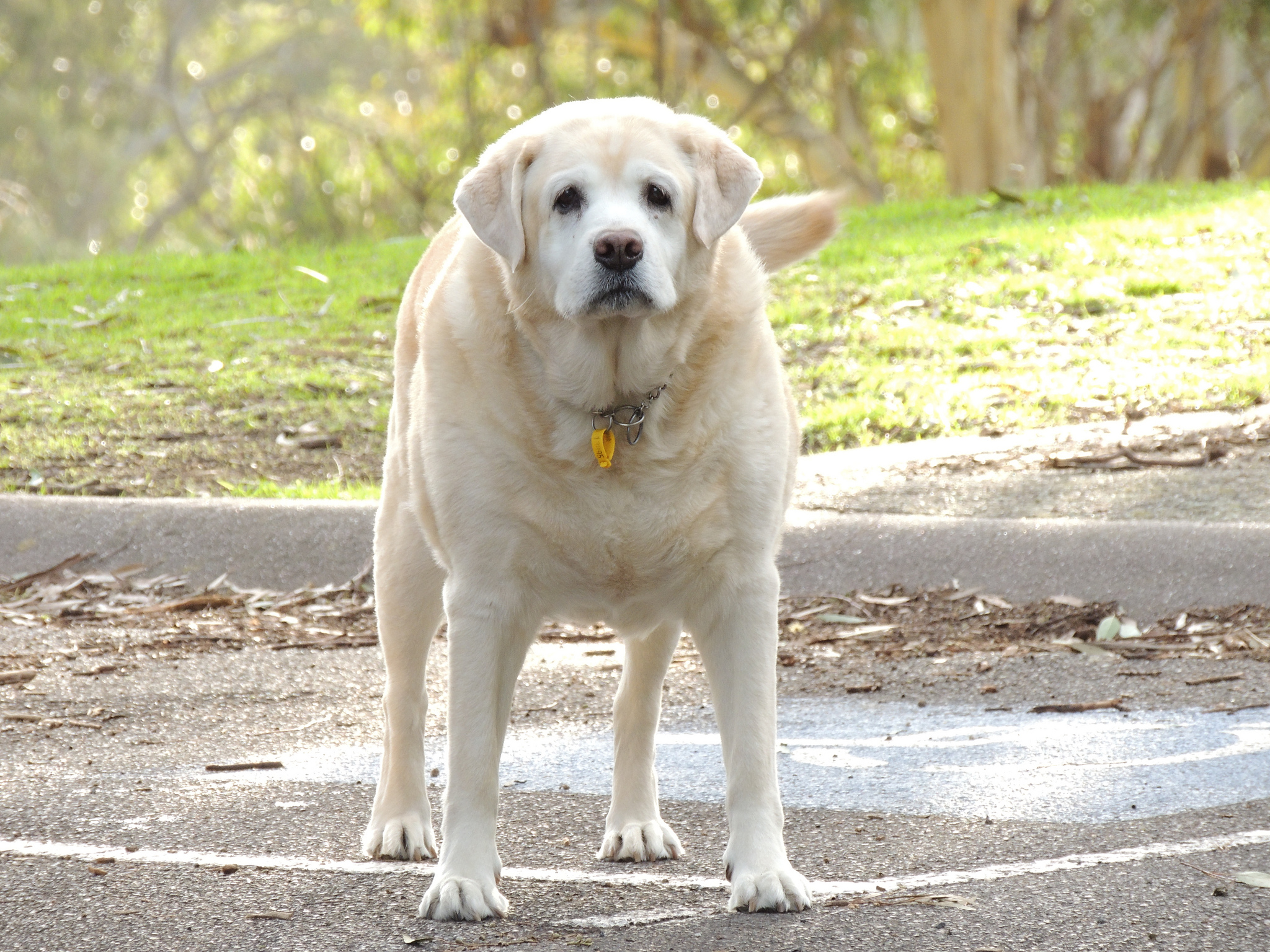
Is it just me or has anyone else noticed how much bigger labrador retrievers have become? You see them barrelling across the dog park, huffing and panting the whole way, looking awkward and cumbersome, and hope to goodness they don’t bowl you over. The older ones don’t move much at all. Some of them are barely able to make it across the park before needing to take a break. They prefer to plop down somewhere and watch all the action from the sidelines, in the hopes there will be someone around to help them back up when it’s time to leave.
It’s so easy to get judgemental and blame the owners – why do they feed their dog so much? Don’t they know it’s bad for their health? Hate to think what their vet bills are going to be like. But the truth of the matter is a much deeper issue and it has to do with selective breeding.
Everyone knows that there’s an obesity problem among our pets. In America, about 54 per cent of all dogs are overweight or obese, and 60 per cent of these are labradors. But when you start to dig into the cause of this weight issue, you discover more to the story.
Labradors don’t just have large appetites, they’re not just infatuated with eating food, but they’re crazy about eating, gobbling up just about anything they can scarf down before they get caught. (We’ve all seen the poop-eaters in the park! Gross!) To get to the bottom of the matter, Veterinarian and Metabolic Researcher, Eleanor Raffan from the University of Cambridge conducted a study on various breeds of dogs. She found that:
"[Labradors] are not only the most commonly overweight breed of dog, but they are notorious for being obsessed by food. Some particularly badly [obsessed] dogs will eat things no other creature would want to consume."
The study suggests that the root of this issue lies with selective breeding and genetic mutation. One gene, in particular, that’s responsible for regulating the appetite can get out of whack with over-breeding. When this happens, you get a dog that is nuts about eating and doesn’t know when to stop:
“The study also suggests that as humans selected obedient dogs for breeding, we also selected hungrier ones.”
So the theory goes. One of the traits that breeders select for future generations is obedience. The best way to get your dog to obey is with a treat or food reward. So as the best behaved dogs were selected for breeding over and over again, these gene mutations developed, resulting in ultra-hungry but highly trainable labs! The study also showed that guide dogs scored higher in possessing this gene, and found the flat-coat retriever to also be affected.
If you own a chunky lab, then you will have a harder time trying to control its weight. It might, however, be a good time to take out pet insurance. On the other hand, if you’re thinking of getting a puppy labrador, just make sure it’s not chubby. It’s a good indication that it has this gene mutation. Chubby puppies might be cute, but they’re generally grow up to be overweight. So bear that in mind and make sure to check with your veterinarian about the best kind of diet and exercise for your dog.