Why Does My Cat Bite Me When I Pet Him?
April 23, 2019
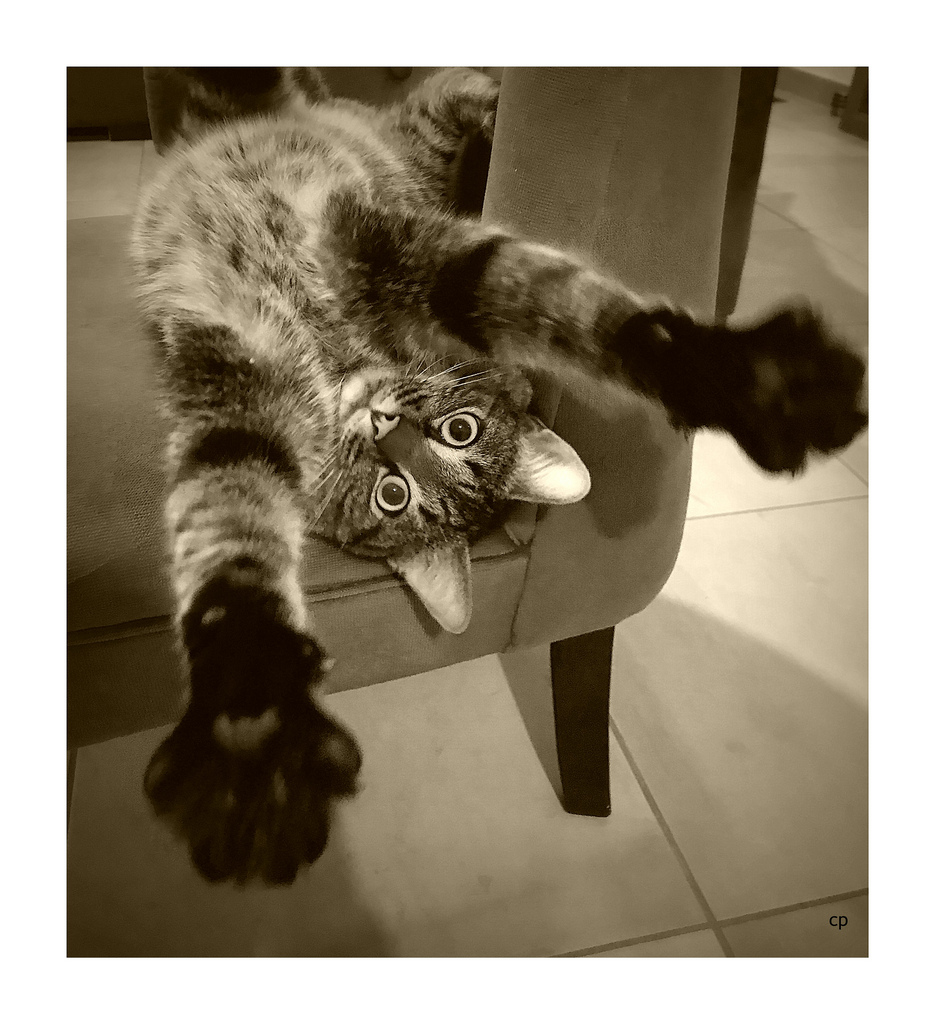
Do you feel like your cat is hard to read sometimes? One minute he’s begging for your attention and purring loudly as you pet him, the next minute he’s sinking his teeth into you and giving you that threatening look. What’s going on?
Scientists call this arousal-based pet aggression. Cats have nerve endings all over their bodies. Their fur and whiskers are highly sensitive and can get over-stimulated quickly. The bite that follows is your cat’s way of saying that he or she has had enough...for now.
Anticipate your cat’s behaviour
If you want to develop a more positive experience for both you and your cat, tone down the petting and be more gentle. Keep an eye on your cat’s tail. If she starts to swish, flick or worse, thump her tail, stop petting and let your cat walk away. Don't scold your cat and avoid holding them against their will. This will only drive them farther away from you and result in heightened aggression next time and less affection.
A little petting goes a long way
When you become more in tune with your cat’s moods, you’ll get to know just how much petting is optimum for them. Some cats are more affectionate than others, while some need 30 seconds to a minute tops to satisfy their affection needs.
Avoid highly sensitive areas
Often, especially in the winter, when you’re petting your cat, you can cause static electricity to build up. Those little zaps of the fur are as unpleasant as getting a shock from a light socket. Imagine being zapped all over your body at once. That’s grounds for a pretty severe back-off bite from your cat!
Additionally, cat’s are known to have certain sensitive areas all along the spine and particularly at the base of their tail. When touched, your cat will arch and buck and become overstimulated to the point of aggression. So stay away from these areas. In my opinion, you can’t go wrong with a good scratch behind the ears!
Rule out injury or pain
Another reason for your cat’s lashing out while petting could be pain or an injury. Pay particular attention, especially in older cats, for signs of arthritic pain around joints that are sensitive to the touch. You’ll notice the difference, as the cat will bite a little harder and possibly jump out of the way.
Petting-induced aggression and tolerance levels will vary in cats, depending on age and breed. Cats who were not socialized effectively as kittens will possibly display more aggression when touched. Rescue cats are also more likely to be resistant to touch. In these cases, working with a behavioral specialist will help you develop a healthy and affectionate relationship with your feline buddy.
Photo credit: catherine ¨MOSINIAK-PAILLIER ~ Bonjour!