Your New Years Resolution: Getting Fit With Your Pet
January 11, 2016
by Morgan Clark
January is the time of change. A new year has begun, and many people take this time as the opportunity to reflect and grow as a person. However, don't forget about the furry members of the family when it comes to resolutions concerning health. A study by the Association for Pet Obesity Prevention shows that over half of American pets are overweight. Unfortunately, this can lead to the same health problems as extra weight in humans: diabetes, heart disease, or bone disorders.
Fortunately, this means you may have a stay at home fitness buddy to help you get fit for the new year. Of course, it goes without saying that you should check with your vet to make sure it's okay to start a diet or exercise regimen for your pet.
Exercise
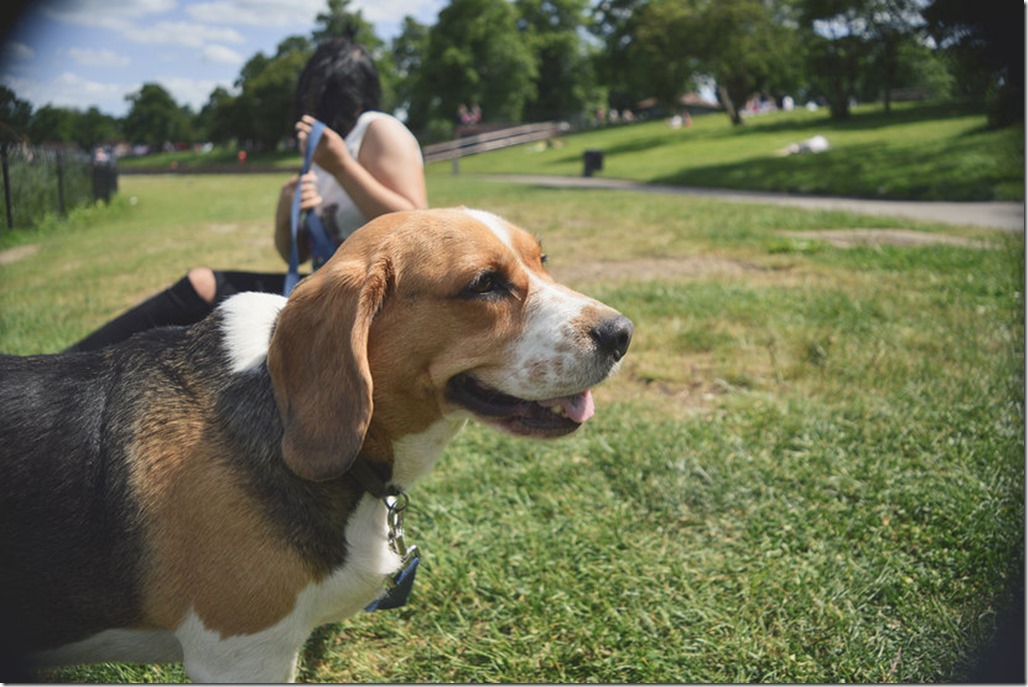
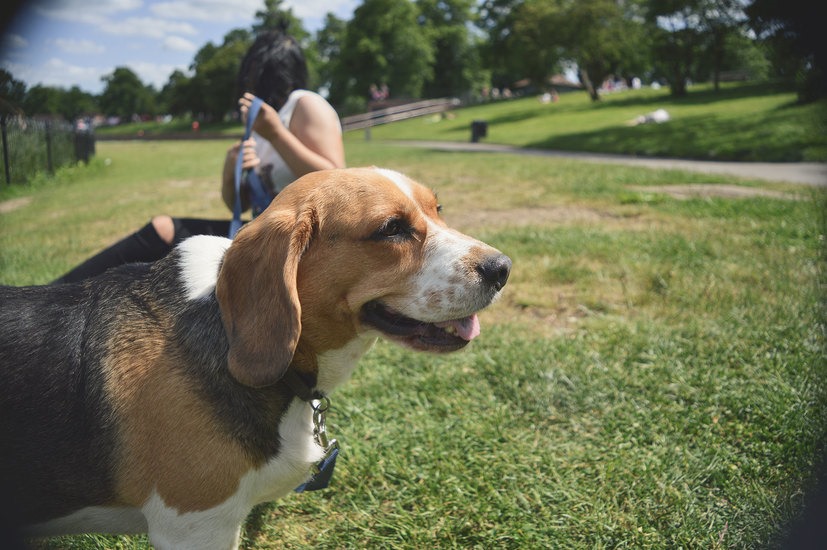
This is the most difficult aspect of fitness for many people. Working out takes time from your busy schedule as well as, for many people, money towards a gym membership. However, when you have a dog, you can both go for a walk or run together. Regular cardiovascular exercise (such as running and walking) can prevent many of the disorders caused by obesity. Running with a dog can help keep you motivated, especially if you keep a daily routine. You won't be able to put on your running shoes around that time of day without pooch catching on to where you are going. Running with a dog can also help keep you safer if you run at night.
However, there are some drawbacks to running with your pup, especially if they are a smaller breed. Many small dogs can't handle running long distances and may need to rest more often than you. Like human training, you will want to build up to running longer distances with your dog. Older dogs have issues with this as well. Be sure to listen to your dog and her body language. If she stops frequently and wants to rest, let her. Also be sure to bring water and a bowl with you on your runs to keep your dog hydrated.
Eat light for one meal
“Eat better” or “Eat more vegetables” are statements that sound good in theory, but they aren't stable or practical strategies for success. Instead, make concrete plans, like “Have a light breakfast” or “eat one snack of fruit or veggies per day”.
The same advice goes for your pet. Many vets recommend replacing one meal of your pet's food with a healthy vegetable, such as pumpkin, green beans, or carrots. These foods are low in calories but high in fiber, meaning your pet will stay full until their next meal. Once again, talk to your veterinarian before changing your pet's diet, as there are many human foods not suitable for pets.
Eat earlier in the day and keep a routine
Though researchers aren't quite certain why, there is evidence to show that people who eat earlier in the day lose more weight than dieters who trend towards eating later in the day. Eating early can also prevent overeating from hunger if dinner is delayed to later hours.
Keeping a routine can achieve the same goal, as your body will become used to the meal schedule and cravings will be minimized. If your pet is a grazer, this may take some adjustment, but it is well worth it for your pet's health. Like people, pets tend to overeat when left to their own devices. As such, you should avoid keeping your pet's bowl full and allowing them to snack at their leisure. Feed your pet at a set time each day, and follow the same advice for yourself.