A Budgie as a Pet? Here Are the Basics
July 25, 2016
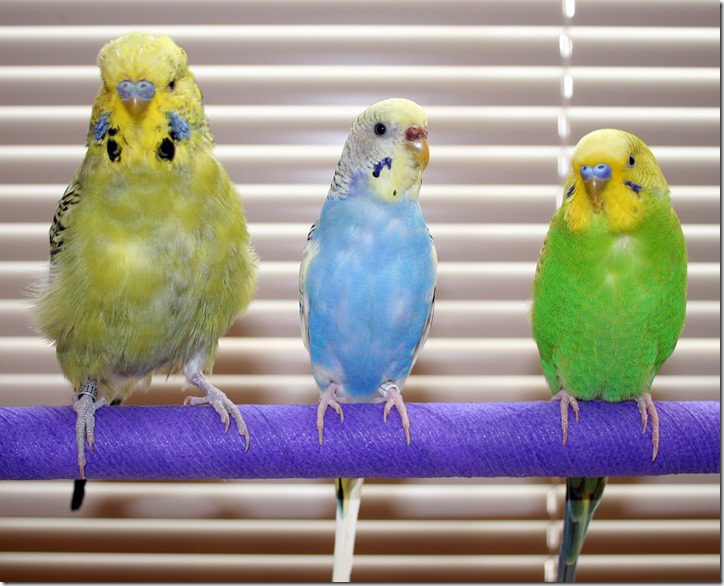
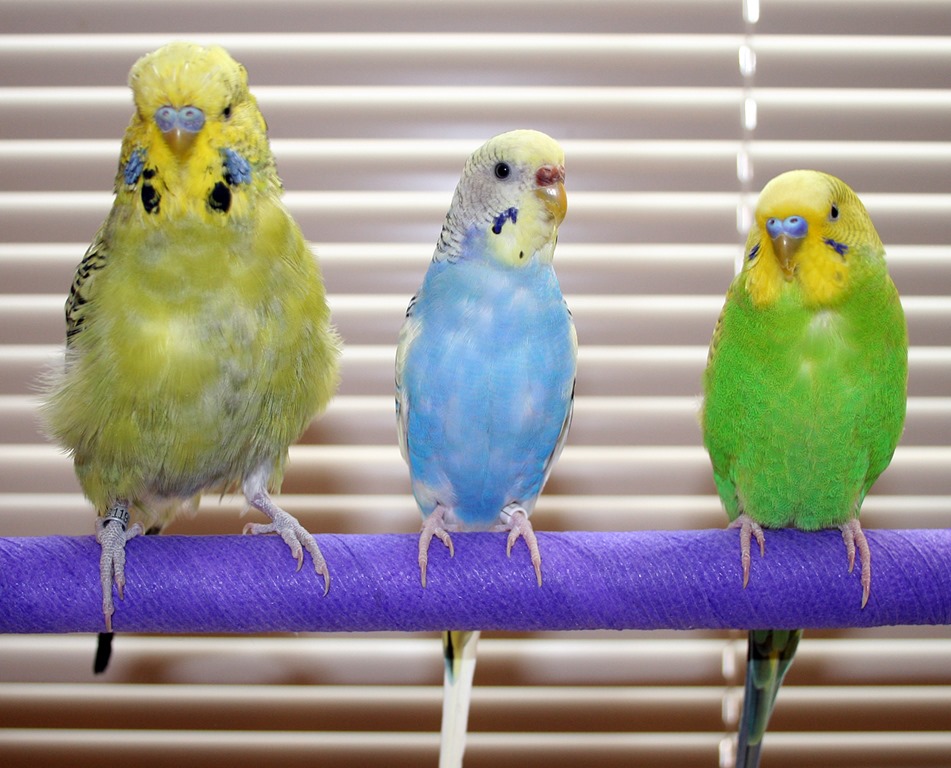
You may know this commonly kept bird as a “Parakeet.” However, its actually name, Budgerigar, is derived from the aboriginal language of its homeland of Australia.
Budgies make wonderful pets. They are relatively simple to maintain and are an active and happy bird. Plus, some (not all) budgies can learn to talk and have actually leaned upwards of 100 words. They can be finger trained as well. But remember, teaching a budgie to talk and to have it tame will take time and patience.
If you think a budgie might be a great pet for you and your family, then we’ve set out the basics to get you started.
Fun fact…the first budgie was brought to England by John Gould in 1840.
What You Need
Before you get a budgie there are some necessary supplies you will want to have-on-hand and to also have set up before you bring your pet to its new home.
- Cage. Unless you are one of the few people to have an aviary in your home, your feathered friend will need a cage. It is recommended to have the biggest cage you can afford, but the minimum should be 1.5 feet wide x 1.3 feet deep x 1.3 feet tall (about 45x40x40 cm). Remember, this is where your bird will spend most of its time, so give it some room to move around. In addition, the spaces between the bars should be no more than half-an-inch apart (1.3 cm). This prevents your bird from getting stuck or from escaping.
- Perches. These are important for your budgie, so don’t depend on the ones that came with the cage. Birds of all species need different textures and sizes of perch, so change it up with wooden dowels, ropes or even real wood like the manzanita.
- Seed & Water Cups. These usually come standard with the cage, but can also be purchased separately.
- Food. A high quality seed that is fresh and does not contain artificial colors is a good basic diet. Experts recommend buying this through a pet retailer and not a grocer as it tends not to be as fresh from human food stores.
- Cuttle Bone & Mineral Block. Although, you may think your bird never touch these, the cuttle bone and mineral block is essential for added minerals and nutrients your bird cannot get from its food. Your budgie will nibble at these when it feels the need to.
- Toys. Budgies are extremely active and need toys to help stimulate their minds and to keep them physically fit. These include bells, ropes, wiffle balls, mirrors and swings. Be sure to give your bird the correct size of toy and to check that it doesn’t have any loose parts before you put it in the cage.
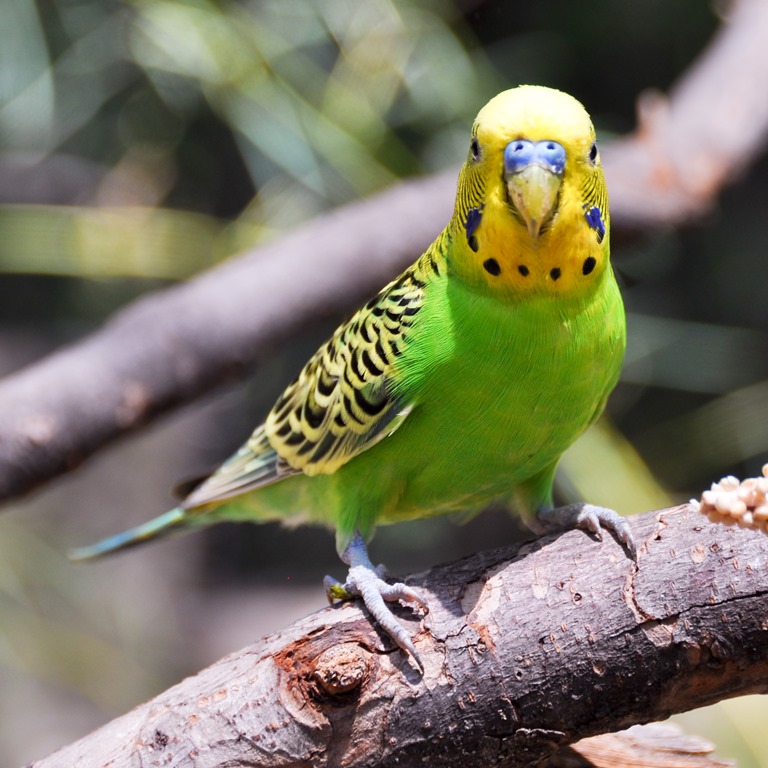
Fun Fact…Budgies can live from 9 to 12 years if properly cared for.
Picking a Budgie
So you have your cage set up and all the necessary items for your new pal, now all you need to do is find a budgie. This doesn’t have to be tricky, but there are some tips to keep in mind;
1.Breeder vs Pet Shop. If there is a budgie breeder in your area, this may be the route to go. Hand raised birds tend to be tamer and are accustomed to being handled. However, if there isn’t a breeder in your area, the pet shop is the place to go.
2. Age. a budgie around 4 to 6 months-old is the best choice. This is old enough to be on its own, yet young enough to tame. You can tell if a budgie is young by the black bars on its head. If these run all the way down to its cere (the top of its beak) then it will be under 6 months-old. Note; budgies usually do their first molt at 6 months.
3. Appearance. A healthy budgie should have smooth, colorful feathers and bright eyes. Be sure their is no discharge coming from it and it looks alert.
4. Activity. Healthy birds will be active and will want to play, climb and investigate their surroundings.
5. Male or Female. Either sex will make a good pet.
6. One or Two? Although, budgies can be kept alone, if you have the room, two will keep each other company, especially if you’re not home a lot or can’t spend a lot of time each day with your feathery friend.
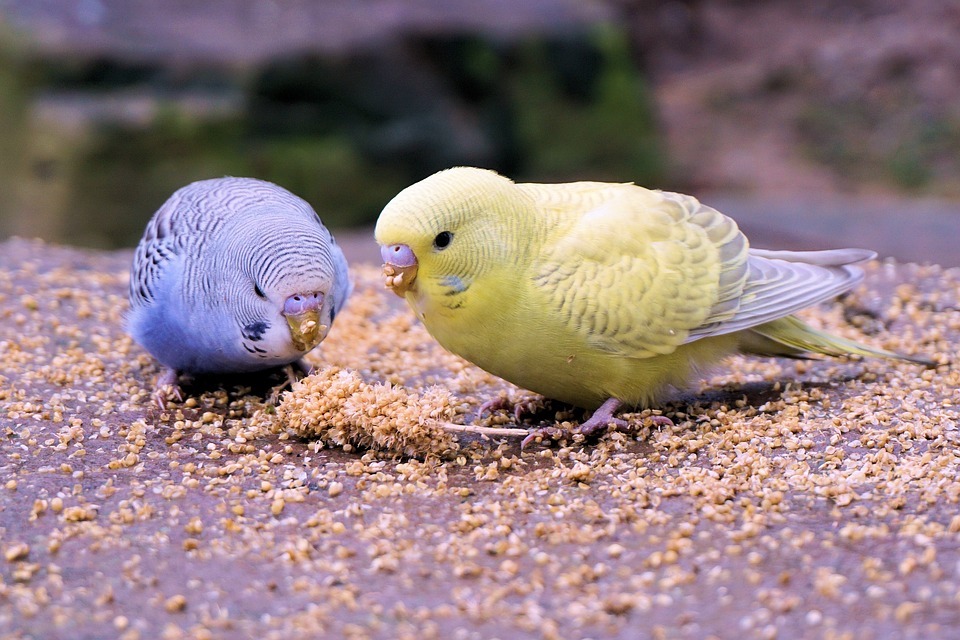
Fun fact…you can tell the males from the females by their cere color; pink or brownish is for girls, blue is for boys.
Is This Birdie For You?
Now that you know the basics about budgies, perhaps you are ready to embark on pet parenting one (or two) of these comical critters. Before you make your decision, watch the birds (whether you are at a breeder or pet store) to gauge which ones seem healthy and active. Once you have your budgie take the necessary time to get to know it and let it acclimate to your home. In time, your feathery friend will be happy to see you and keep you entertained for years on-end.