Beautiful Yet Dangerous, Five Common Plants That Are Toxic to Cats
June 1, 2016
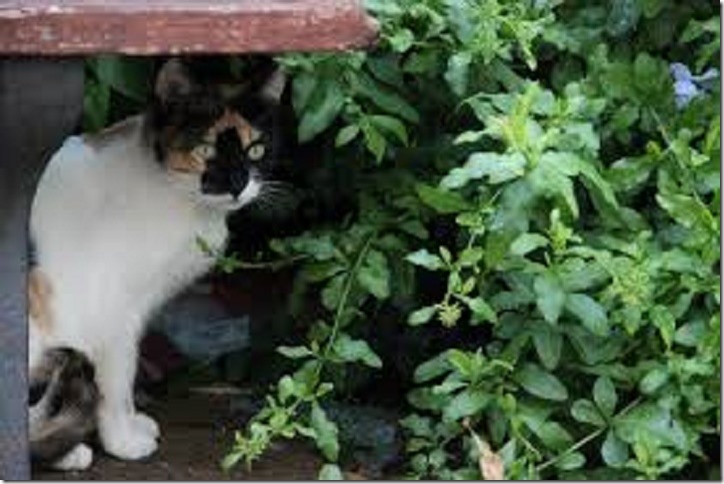
Cats are curious and love to explore their world by sniffing, chewing and tasting. For the most part that’s fine, until it comes to some common household and garden variety plants. Read on to discover five toxic plants that may be lurking in your home or garden. These species are beautiful to behold, but extremely dangerous to our feline friends.
Lilies
Lilies are a staple in many outdoor gardens and are also a very popular plant around Easter time. However, despite their tubular-beauty and celebratory significance, every part of the lily is extremely toxic to cats. Plus, it doesn’t take a huge ingestion of this plant to shut down your pet’s kidneys. In fact, as little as two small leaves can make your cat seriously ill which can lead to death if left untreated. Be sure to keep those indoor lilies out-of-reach or better yet, don’t bring them into your home or garden at all.

Oleander
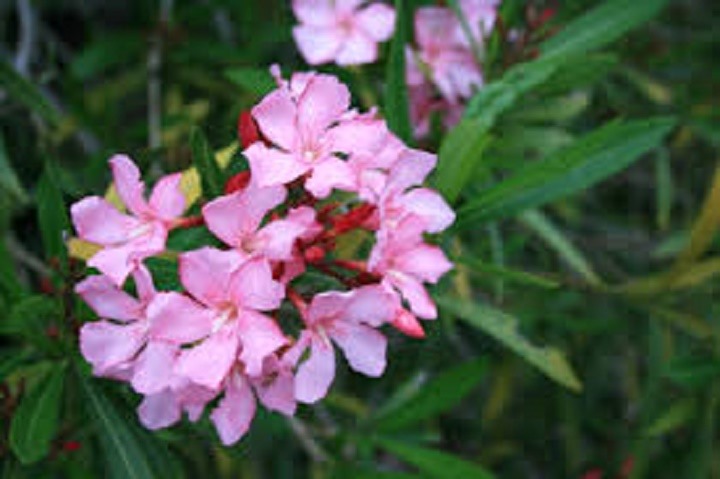
This flowering outdoor shrub contains a chemical known as cardenolide which will directly affect cats (and other species). All parts of this garden-beauty are extremely toxic and will disrupt the natural chemical balance of your pet’s heart which can lead to death if left untreated. To keep your pets safe, be sure to remove this shrub from your yard and do not bring any into your home as decoration.
Tulips
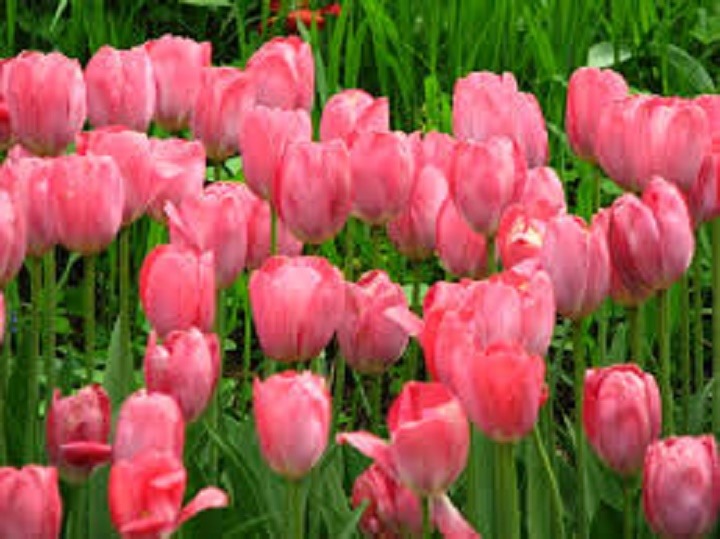
These flowers pop up every spring and are a carnival of vivid colors in any backyard garden. Plus, they make wonderful cut flowers for vases; however, the toxicity of the tulip can affect your feline, especially if your curious cat nibbles on the bulbs. The poisons found in this species is called tulipalin A and tulipalin B which can cause drooling, diarrhea and central nervous system damage. Keep these plants out of your house and if they are in your garden, fence off the area to protect your cat.
Azaleas/Rhododendrons
There are over 1,000 species of the rhododendrons (woody shrubs) which includes the common flowering azalea plant. If any part of this species is ingested, even in small quantities (0.02 percent of the pet’s weight) it can disrupt the sodium channels which in turn will affect your cat’s heart and skeletal muscle functions. Keep your cat away from these plants to keep it safe.

Chrysanthemum
Another popular flowering plant for both indoors and out is the chrysanthemum. It comes in a variety of colors and is commonly seen in the autumn months. In addition to its picturesque qualities, it also contains a natural insecticide called, Pyrethrin. Although, this chemical is generally low on the toxicity list, it is more dangerous to cats because their liver metabolism pathways are less efficient than other animals. Beware of these flowering bundles in fall gardens or pots.

Be Safe, Not Sorry
Even the safest of pet parents can have a cat that gets into a toxic plant. If you believe your feline has ingested a poisonous plant, be sure to seek veterinarian attention immediately. In addition, remove all these variety of flowers from your yard and home to keep your feline safe and sound.