Can You Teach Your Canary To Sing?
January 27, 2023
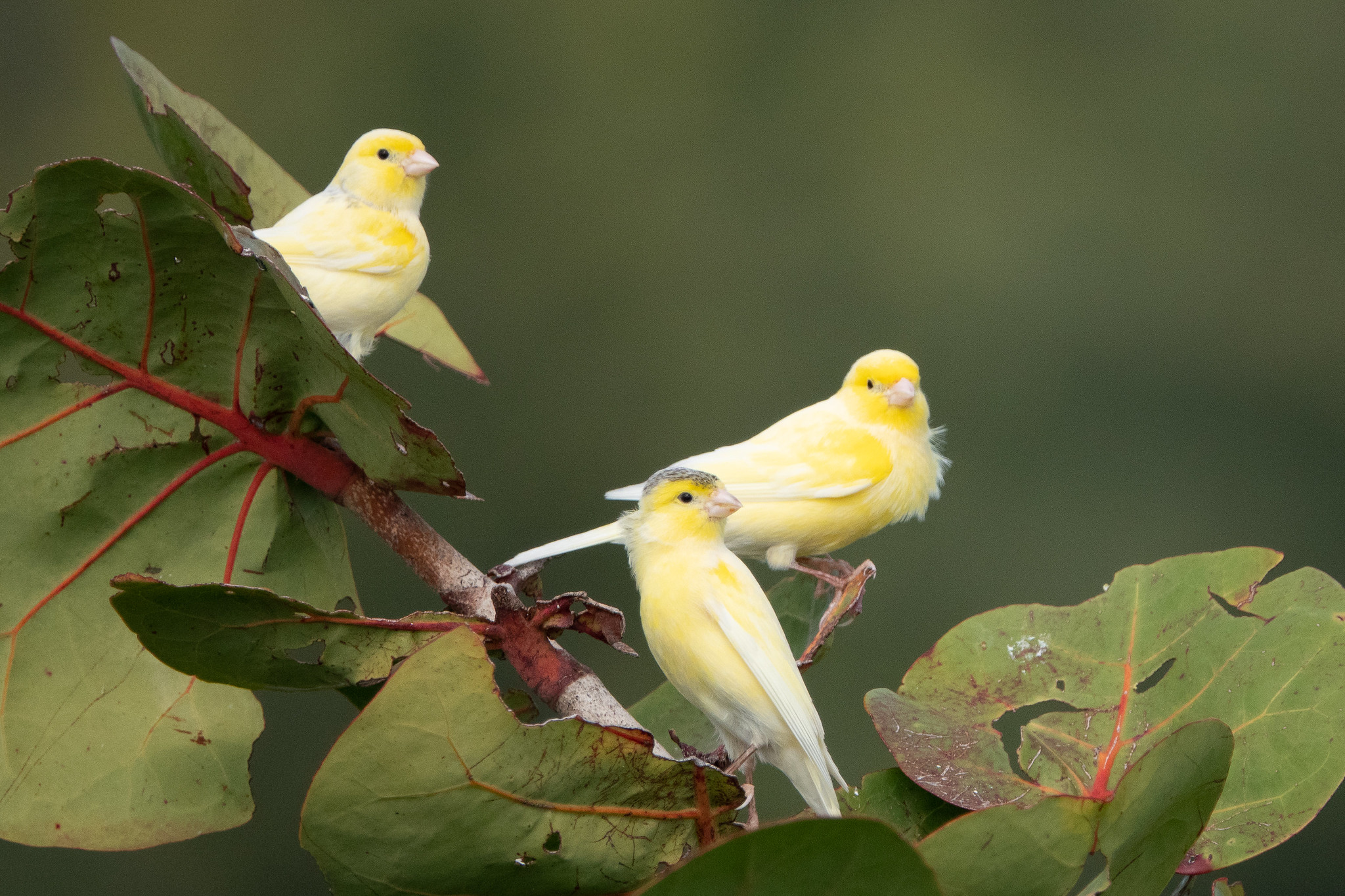
Photo credit: Bettina Arrigoni
A canary’s song is quite unmistakable and a lovely thing to wake up to in the morning, but not canaries will sing or rather, want to sing. This can be a big disappointment to some buyers who want a singing bird.
Some experts say that all canaries sing, but some say the opposite. So who do you believe? If you want to increase your chances of having a singing canary, make sure you get a male bird. Females are a little more shy and prefer not to show off their talents. Sometimes all it takes is a little persuasion and prompting.
A short history of the domestic canary
It’s not surprising to learn that canaries came to our shores from the Canary Islands, situated just a 100km of Morocco, West Africa. In the wild, canaries are also found in regions of Macaronesia, such as the Azores and Madeira. They were loved by visiting Spanish sailors for their vivid yellow colour and their extraordinary singing voice.
In the 17th century, they found their way to European shores and this is where they were first domesticated. They were an immediate hit among the European nobility, every palace had one, making them quite expensive to acquire.
During the coal-mining boom in England during the 19th and 20th centuries, canaries became a mascot to the miners of coal-mining towns. They would accompany the workers into the mines, not to add entertainment to their day, but to save lives. If the oxygen levels started to become dangerously low, the canary would be the first to know and stop singing. Many canaries died as a result. Thankfully this practice was abandoned in 1986.
A member of the finch family, domestic canaries come in all shades and colours. Given the right living conditions, a healthy canary can live up to 15 years in captivity.
So how do you get your canary bird to sing?
Even though it is said that only the male canaries have a singing voice, even the shyest female can be coaxed into serenading at times. Female canaries don’t have the range of male birds, so their songs are simple tunes compared to their counterparts' expressive melody.
It takes a male canary a while before they find their singing voice, so give them time to mature. By the age of 6 to 12 months, they should be good and ready to deliver the goods. If you want to make sure you’re getting a singing canary before you bring them home, check with your breeder and perhaps get an older bird.
Canaries will pick up very quickly from listening to other canary melodies and even other bird songs. So get into the habit of leaving them with some audio of canaries singing, so they can develop their own style. A male canary’s ultimate goal is to serenade their mate, so whatever fluffs the feathers is the tune they’ll choose.
If you house a male and female canary together, the male will have no desire to sing. He already has found his mate, so there’s no need to impress her. If the male canary hears the female in another cage, he is much more likely to sing to her to try and win her over.
You can encourage your canary to sing and respond to you by talking to them. Canaries love the sound of their owner’s voice, so don’t be afraid to chat away to them or even sing to them. It’s also a great way to bond with your bird.
During the mating season and when your canary goes through their moulting stage, they lose the desire to sing. This is normal. However, if they have stopped singing and appear unwell or have stopped eating for some reason, it could be time to take them to an avian vet to check their health. A sick bird will not sing.
So if you want your canary to sing, provide them with good food, plenty of sunshine and a soundtrack to keep them amused. A happy, healthy bird will always have a reason to sing.