Cats Not Safe From COVID-19 Coronavirus
April 17, 2020
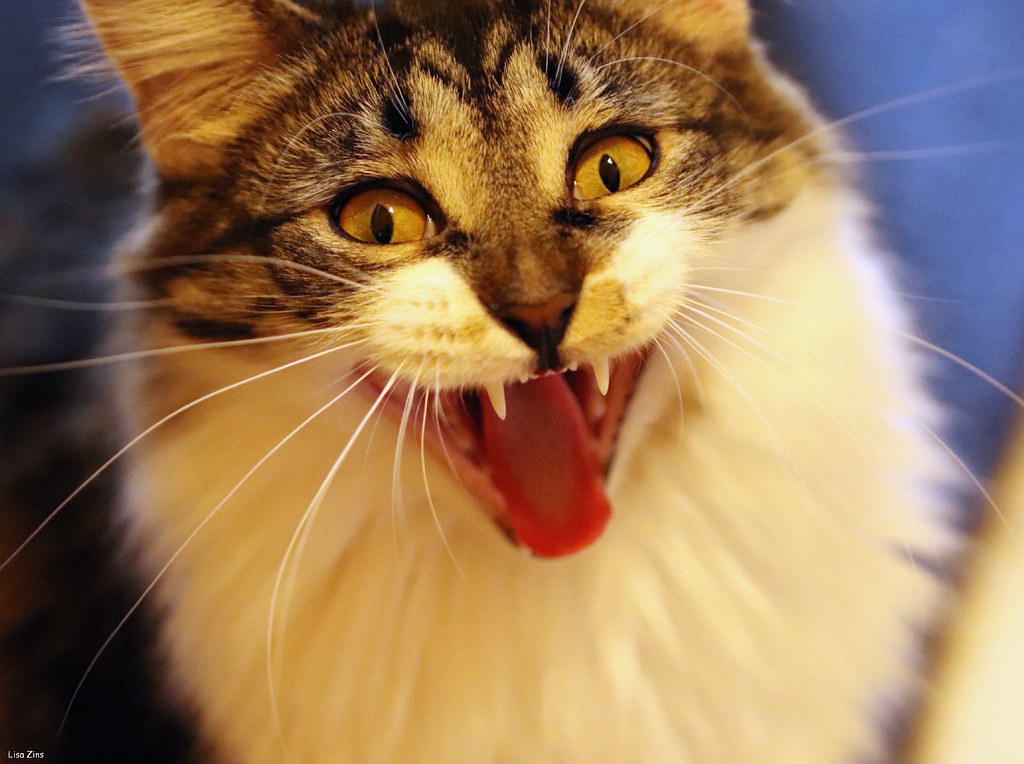
After a tiger cat contracted the coronavirus at the Bronx Zoo in New York, experts are now warning cat owners to take special care with their beloved felines.
This is an unprecedented case, as veterinarians have no evidence of a cat or any other animal contracting this particular strain of coronavirus before.
After showing symptoms on March 27, mainly frequent coughing and a loss of appetite, the Malayan tiger tested positive for COVID-19. Given the highly contagious level of this virus, Nadia the tiger went on to infect six other tigers at the zoo.
Anyone who came into contact with the tiger at the Bronx Zoo was also tested and one caretaker in particular who had had the most exposure to the animal, although asymptomatic, tested positive for the virus and is believed to be the source of the contagion.
The zoo has been closed to the public since March 16 and zookeepers are now required to wear gloves and masks when feeding, cleaning and interacting with the big cats.
The good news is the tigers developed only mild symptoms and have since recovered from their ordeal. The zookeeper is also doing well. This case sheds new light on the nature of novel coronavirus and how it can be transmitted to pets and livestock.
Experts are using blood samples from the tigers to track how they respond to this virus to help epidemiologists learn more about the spread and development of COVID-19.
Experts concluded that they believe cats cannot spread the virus to humans and neither can they be a source of COVID-19. However, veterinarians are warning pet owners, especially cat lovers, to exercise physical distancing from their pets if they exhibit symptoms or test positive for the virus.
In addition, cat owners are advised not to let their pets interact with other pets or humans outside of their households and to make sure they wash their hands (for at least 20 seconds) after petting or handling their pets.
Zookeepers around the world are now also taking extra precautions and wearing protective gear when interacting with the animals, particularly cats and primates.
Though it is highly uncommon that domestic cats are especially vulnerable at this stage, the WHO are now testing other animals and running studies on other species to see how they may be affected. Dogs seem to be quite safe, though ferrets are a high risk and can contract COVID-19 if exposed. So far, chickens, pigs and ducks are deemed safe from getting the coronavirus.
If your cat does contract coronavirus, experts say it is likely they will only experience mild to moderate symptoms and should be quarantined for at least two weeks to be safe.