Sniffer Dogs To The Rescue In Battle Against Coronavirus
April 21, 2020
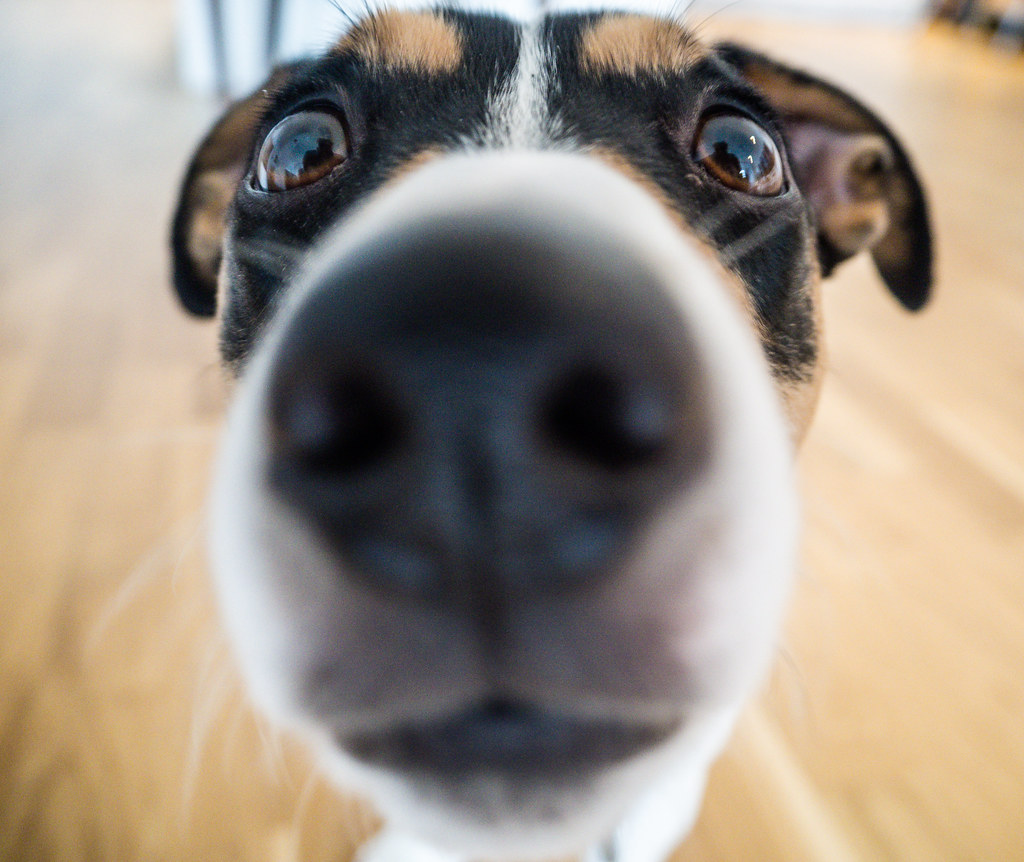
You can always count on dogs to come to the rescue. Whether it’s saving people adrift in the snow, lost in the mountains, or helping us across the street, our dogs possess some extraordinary gifts and talents.
Now dogs are being recruited to help fight the coronavirus.
Called medical detection or bio-detection dogs, these marvellous canines are currently being used to detect such diseases as cancer, Parkinson’s and malaria. With an 80% success rate, it’s incredible what these dogs can do.
Scientists are currently training sniffer dogs to detect the coronavirus, even in asymptomatic people.
Dr Claire Guest, CEO and Co-Founder of Medical Detection Dogs, says: “In principle, we’re sure that dogs could detect COVID-19. We are now looking into how we can safely catch the odour of the virus from patients and present it to the dogs.”
The idea is that these dogs would be employed at airports and could detect anyone coming into the country who is carrying the virus, even if they’re exhibiting no symptoms.
“The aim is that dogs will be able to screen anyone, including those who are asymptomatic and tell us whether they need to be tested. This would be fast, effective and non-invasive and make sure the limited NHS testing resources are only used where they are really needed,” Dr Claire Guest.
There is also the potential for these dogs to help medical staff test people for coronavirus. There is a limited supply of COVID-19 testing units and as supplies run out, these medical detection dogs can step in and take over with a non-invasive, incredibly accurate and speedy method.
These incredible dogs are trained to sniff and detect at a rate of 250 people per hour.
After working together on a successful project training sniffer dogs to recognize malaria, scientists from the London School of Hygiene & Tropical Medicine (LSHTM), the Medical Detection Dogs organization, and Durham University have teamed up once again to prove that our canine friends can also be trained to detect COVID-19.
Professor James Logan, Head of the Department of Disease Control at LSHTM and Director of ARCTEC, says: “Our previous work demonstrated that dogs can detect odours from humans with a malaria infection with extremely high accuracy – above the World Health Organization standards for a diagnostic.”
It takes six weeks to train these medical dogs, using the same method for detecting malaria, Parkinson’s, and bacterial infections. Each disease carries a distinct odour that only dogs can detect. This is especially true for respiratory infections. The dogs use their noses to sniff out the disease, after being trained with samples in a clinical setting.
They can also sense subtle changes in temperature and could potentially tell if someone has a fever.
“If the research is successful, we could use COVID-19 detection dogs at airports at the end of the epidemic to rapidly identify people carrying the virus. This would help prevent the re-emergence of the disease after we have brought the present epidemic under control,” Professor Steve Lindsay, Durham University.
This is good news indeed and helps to shine some hope on this never-ending pandemic. Aren't dogs wonderful?
Source: London School of Hygiene & Tropical Medicine