Getting A Pet In Lockdown
July 1, 2020 · Updated September 1, 2026
Some good news to appear throughout the coronavirus pandemic is that pet adoptions are on the increase and more cats and dogs are being adopted. The ASPCA reports an increase of 70% in adoptions in the areas of NYC and LA.
With more people now working from home and kids being home-schooled, it’s the perfect time to get a new pet. Not only are we spending more time at home, our schedules have lightened up so we can dedicate more hours to training a new puppy or kitten.
Another reason is that pets make excellent companions, especially if you live on your own. Being in lockdown hasn’t been easy for anyone, but having a pet to love and snuggle can help ease stress and anxiety.
Even though none of us really know how long this pandemic will last, it’s important to think about the long-term commitment of getting a pet. What will happen when everybody returns to work and school, presumably in the fall? It’s also a good idea to calculate the expense of owning a pet. Feeding, grooming, and healthcare, i.e. vet bills, can all add up. So make sure you have enough each month to take proper care of your new family addition.
If money is an issue or if you feel a dog or a cat is too much to handle, consider a smaller pet like a hamster.
Hamsters
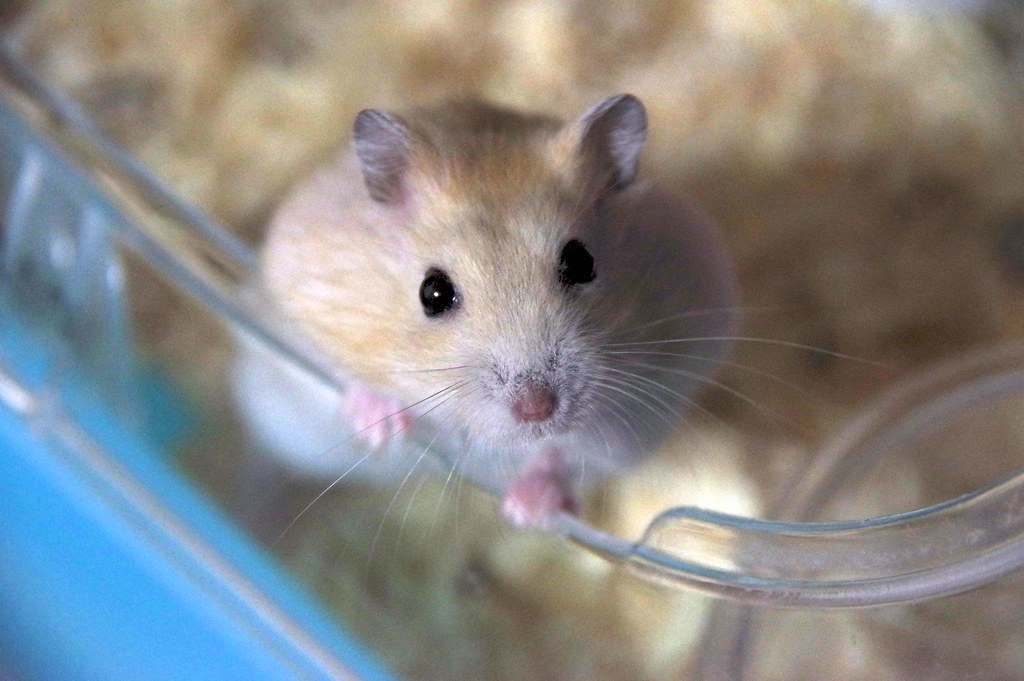
Not as demanding as a dog or cat, but still in need of daily care and affection, hamsters are sweet, affectionate creatures that can bring much joy to a household.
Hamsters are sensitive and fragile though, so they may not be the right sort of pet if you have very young children. Hamsters also frighten easily and would suit a quieter child.
They need a large cage to accommodate lots of toys and an exercise wheel. Hamsters love to exercise, so you can have lots of fun building a playpen for them. Choose plastic (toxic-free) toys and exercise wheels.
You can choose from Syrian, Dwarf, or Chinese hamsters. A good-quality hamster pellet food should make up most of their diet, topped up with small amounts of fresh vegetables, particularly dark, leafy greens. Sugary fruit is best kept to a tiny occasional treat.
Guinea Pigs
Guinea pigs are cute, social creatures that make the most adorable squeaky noises. They make great pets for the right person but are not necessarily ideal for children.
Guinea pigs fare much better in pairs, so bear that in mind if you’re considering getting one as a pet. A same-sex pair works well; if you’d like to keep a mixed pair, talk to your vet about neutering first.
The single most important thing to know about feeding a guinea pig is that they need unlimited grass hay, such as timothy, available at all times. Their teeth grow continuously throughout their lives, and constant chewing on hay is what keeps those teeth worn down and healthy — there’s no “teeth cleaning” for an owner to do, and you should never try to trim or clean a guinea pig’s teeth yourself. If your guinea pig starts drooling, dropping food, or eating less, that’s a job for your veterinarian.
Guinea pigs also can’t make their own vitamin C, so they need it every day — fresh vegetables rich in vitamin C, like bell pepper, alongside a pellet food made specifically for guinea pigs. Your vet can advise on the right amounts.
A little extra time is needed to care for a guinea pig as they need regular grooming, which includes brushing (especially for long-haired breeds) and nail clipping. They have enormous appetites and eat practically all day long, which means their cages will have to be cleaned out on a daily basis. A guinea pig can live anywhere from four to eight years.
They also like a lot of exercise and need to get out of their cage every day to race around and expel all that energy, squeaking all the way!
Rabbits
Very few people can resist a baby rabbit. They have to be one of the most adorable creatures, with their inquisitive noses and fluffy fur. But they can grow quite large and require an adequate amount of space to stay healthy.
A rabbit can live anywhere from eight to 14 years and, depending on the breed, can grow up to 14 pounds in weight. They love exercise, and their diet should be built around unlimited grass hay, such as timothy — it’s the staple that keeps a rabbit’s gut moving and wears down their ever-growing teeth. Add a daily handful of fresh leafy greens and a small measured portion of plain rabbit pellets. Alfalfa is rich food meant for young, growing rabbits, not healthy adults, and fruit should only ever be a tiny occasional treat — too much sugar can upset a rabbit’s digestion and lead to bladder problems. Your vet can help you fine-tune the menu.
Rabbits are ground animals, which means they don’t like to be picked up. They do, however, love to snuggle with their people. They need careful handling and are sensitive to loud noises, so might not be ideal for very young children.
The best place to get a hamster, rabbit or guinea pig is your local animal shelter. Not many people know that you can adopt small pets from shelters, as well as cats and dogs.