Cats, Pregnancy and Babies: What You Need To Know
April 9, 2021
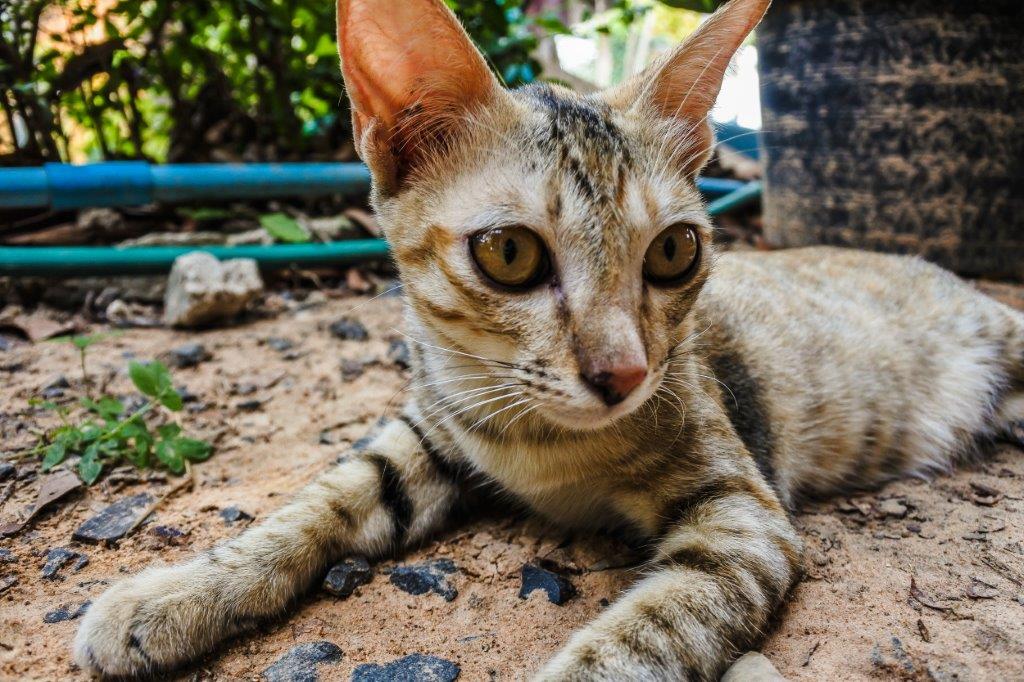
If you’re expecting a baby or you have young ones in the house, you may have some concerns about whether cats and babies are a good mix. Before making any rash decisions, though, let’s consider all the risks and benefits of sharing a household with cats and babies.
We know from other families’ stories that cats and babies can co-habitat safely and affectionately, so what’s all the worry? The biggest concern for many expecting moms-to-be is toxoplasmosis (T. gondii). Can you catch it from your cat?
Cats, Pregnancy and Toxoplasmosis
According to a recent poll taken by UK's largest cat rehoming centre, the National Cat Adoption Centre (NCAC), almost 7 out of 10 women believe they could catch something from their pet while pregnant. The survey also showed that:
- 60% of women believe their cat could pass on an illness to their baby
- 35% of pregnant women received misinformation about cats and babies
- 25+% were told to get rid of their cat by a family member
- 16+% read online from an unqualified source to give up their cats
You don’t have to be one of those moms, ridden with guilt at keeping your cat and even more wretched after giving up your beloved pet. There are precautionary measures you can take to eliminate the risk of contracting toxoplasmosis from your cat.
Toxoplasmosis: The Facts
To put your mind at ease, let’s get one fact straight: cat owners are no more likely to get toxoplasmosis than non-cat owners. Your chances of contracting the disease are greater when preparing dinner and handling raw meat then giving your cat a big hug and a kiss.
(Which might be a good time to tell you to practice proper food safety, especially if you’re pregnant. Rule number one: wash your hands after food prep and cat pets.)
Practice Litter Box Hygiene
Your safest option, if you are pregnant, is to get someone else in the family (like your hubby) to clean out the litter tray. This should be done at least once a day, depending on the number of cats in the house. Here are a few other safety tips:
- Keep your cat indoors, especially if s/he is a hunter. This is the most common way a cat can get toxoplasmosis.
- Do not give your cat raw meat.
- Keep your cat out of the kitchen and off countertops.
- Keep kitty out of baby’s room.
- Clean your cat’s paws after they use the litter box.
- Make sure food and water bowls are cleaned after each use.
- Replenish water regularly throughout the day.
The NCAC also recommends keeping outdoor sandboxes covered so neighbouring cats can’t come over and do their business. Also, if you’re the type who loves to get their hands dirty and do some gardening, make sure you’re wearing gloves and wash your hands thoroughly afterwards. You never know who may have pooped in your garden when you were sleeping!
So there’s no need to rush poor kitty off to the animal shelter. Cats and babies can happily coexist and make each other happy. It all boils down to good hygiene, safe food handling, and lots of hand washing.