Do Red-Eared Sliders Make Good Pets
June 1, 2022
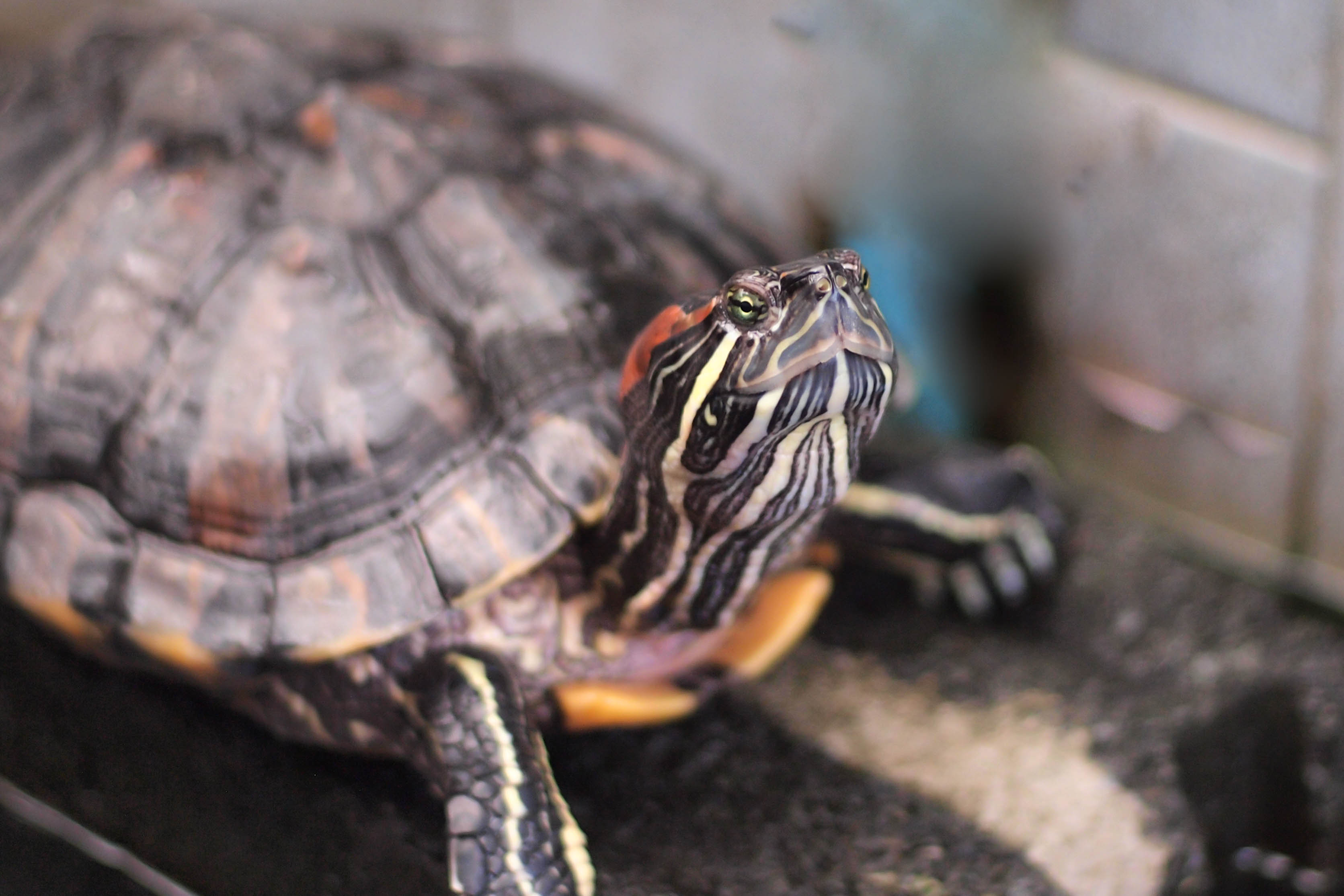
Photo credit: Parichart Thongmee
With over 35 different kinds of turtles available as pets in North America, from box turtles to painted and soft-shell turtles, the red-eared slider tops the list as the most popular. But do they make good starter pets?
The pet stores would have you believe that turtles are easy to keep, but you have to remember they are delicate creatures that require a certain kind of environment if they are to thrive.
And don’t forget these red-eared paddlers can live anywhere from 30 to 50 years under the perfect conditions. Which is why you might stumble upon an abandoned turtle, like poor Jojo here who was found in a park, when you’re out on the trails.
So have you got what it takes? Let’s take a look at this charming reptile and find out what makes them a happy turtle once you get them home.
The Red-Eared Slider
Closely related to the yellow-bellied slider, another popular pet, the red-eared slider comes from the common family of pond sliders known as Trachemys scripta. They can grow up to 12 inches and are a semi-aquatic species of turtle.
Their water-dynamic shells are green on top and yellow underneath with an interesting pattern of stripes and spots that will fade with age. Their body is also striped green and yellow with the characteristic red stripe at the ears.
Although they are excellent swimmers, red-eared sliders love a spot of sun-bathing just as much. Perhaps their favourite activity is sliding into the cool water for a dip after soaking up a few rays. This is the time to watch these colourful creatures.
How To Care For a Red-Eared Slider
Red-eared sliders are hardy reptiles, but they do require special attention daily to make sure their living quarters are just right. Here is a list of what you’ll need to keep your pet turtles healthy and happy, according to the Toronto Humane Society:
- Adults require a large 80-120 gallon aquarium per turtle
- Or a preformed turtle pond tank
- Baby turtles require smaller tanks at first
- Male and female require different size tanks
- A large external filter with water turnover of twice an hour
- UV light specific to turtles
- Water temperature - 72 to 76 degrees
- Dry, basking area - 80+ degrees
The Human Society stresses the importance of getting these essential items and checking them every day to maintain a healthy living environment for your turtle:
“UV light is extremely important for turtles as it mimics the sun and has an immediate effect on their natural behaviour, their skin and shell health. It also helps them absorb calcium into their bodies, which we as caregivers can also add to their diets.”
What To Feed Your Red-Eared Slider
Young turtles need a high protein diet to ensure healthy growth and development of their bodies. In the wild, insects, tadpoles and small fish make up about 70% of their diet. The other 30% is made up of the kind of vegetation you will find in ponds.
Baby pet turtles will need to be fed a mix of 70% protein and 30% leafy greens such as kale, Romaine lettuce and spinach. Adult pet turtles only require 20% of protein in their diet and the rest are veggies such as leafy greens, broccoli, green beans and apples.
Food for aquatic turtles comes in many options from dehydrated to frozen and live, as in crickets and mealworms. Check with your local pet store to see what’s best for your pet turtle.
So with the right care and feeding, the bottomline is red-eared sliders do make great beginner pets.