Dog Park Etiquette
January 11, 2015
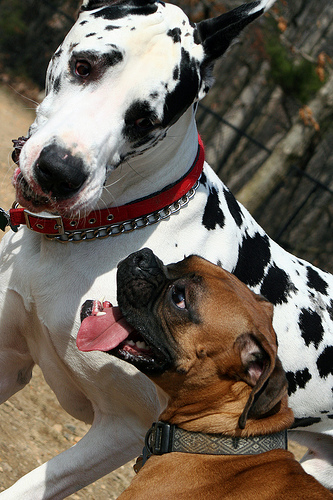
by Natalie Secretan
Having owned Chihuahuas for the past decade or so, the need for going to the dog park was not a priority. So when I took my new puppy (beagle/spaniel) to the vet’s for the first time, I was surprised to hear him warn me against off-leash parks.
“I treat more dogs who have sustained injuries from the dog park than any other.”
For the first few months, we avoided the off-leash dog park. But I was keen on socializing my dog and after talking to a few other dog parents, I ventured over to a relatively safe off-leash dog park – a small park with hardly any patrons. The first thing that surprised me was how many dog walkers park themselves there, usually on a bench, intent on nothing else but their cell phones. The dogs would just stand there staring at each other, bored out of their minds. Hardly what I’d call exercise.
The second thing that surprised me was how aggressive dogs are with each other when they play, their owners not caring to intervene to correct their behaviour. In the past, when I had a family of five Chihuahuas, they never played like this. Playing for them was chasing each other for hours on end, not chewing at each other’s necks. I have to say, I don’t like it. I’ve noticed a change in my dog’s demeanor towards other dogs now. Before she was submissive and playful, now she is full on combat, never tiring until the other dog has had enough.
I decided to do some research to see if rough play is acceptable. Apparently, it is part of being a dog and a perfectly natural and healthy way to play, but there should be boundaries.
Keep Dog Play Safe by Setting Boundaries
- Take a doggie time out – I make sure my dog takes a time out to cool off when she gets too excited and out of control. This really helps reset the dog’s mind and often when they resume play, they’ll change it up and start chasing each other instead.
- Monitor your dog – watch your dog’s body language. Is her tail up and wagging or is it between her legs? Pay close attention to the other dogs in the park and watch for any signals that aggression may be escalating. Make sure you step in and put an end to undesirable behaviour. Don’t wait for the other dog owners to intervene.
- Set boundaries for dog play – use the playtime you have with your dog as a training session. For example, I don’t play tug-of-war with my dog because it can encourage dominant behaviour. Unless you win the war every time, your dog will assert their dominance and begin to think they are the pack leader. I also encourage my dog to use kisses instead of bites. If she gets too rough, I walk away and refuse to play anymore.
- Keep doggie playtime to a minimum – I find short bursts of rough housing are okay, but let it go on for too long and it quickly gets out of control. Keep playtime to a minimum. Change it up and use toys to distract your dog from biting, pawing and other potentially harmful behaviour. Beware of playing with toys or balls in the off-leash area though, as this can invite aggressive behaviour from the possessive dogs that don’t like to share.
Take your time when visiting the dog park. Often my dog and I will walk around the outside of the fence to suss out the situation before going in. Playtime should be a joyful thing for both owners and dogs. It’s a great way to exercise your dog and keep them mentally stimulated, and it’s more fun to watch than TV.
References: Cesar's Way: When Dogs Play Too Rough
Bruce Fogle, Dog: The Definitive Guide for Dog Owners (New York: Firefly Books, 2010).
Photo Credit: Intangible Arts: Boxer Meetup