Dos and Don’ts of Running with Your Dog
September 2, 2022
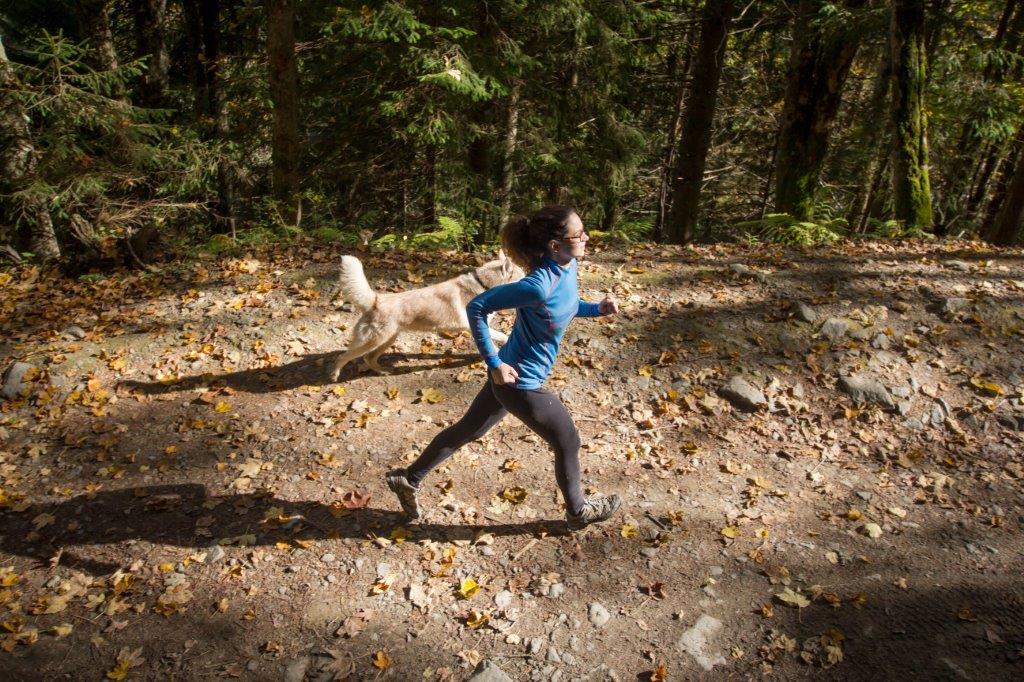
Jogging with your dog is a fun way to enjoy some exercise together, but not all dogs are suited to running at speed or long distances. Before you head out, read this checklist of dos and don’ts when running with your dog.
Active people usually go for athletic dogs, but not all breeds of dogs are made for running. You might think, for example, that a greyhound would be the perfect companion on your morning run, but these hounds are sprinters not long-distance runners.
Brachycephalic Dogs Don’t Make Good Running Companions
What other kinds of dogs are not suitable for running or jogging? These include the obvious brachycephalic breeds such as pugs, bulldogs, shih tzus and chihuahuas. These little dogs with their short legs cannot keep up with a human’s running pace and would quickly over-exert themselves. Their short noses and squished-in faces make it breathing difficult and they will be gasping for air within minutes.
Larger Breeds Are Not Ideal For Jogging
You might be surprised to learn that larger breeds, including mastiffs, Great Danes and Rottweilers, though they are strong and muscular, are not suitable for running great distances. Many large breed dogs suffer from hip dysplasia, caused by loose hip sockets that can result in arthritis.
Best Dog Breeds For Running
The best canine running partners are sporting dogs, bred for high activity, such as huskies, shepherds, hounds, dalmatians, retrievers, collies and Jack Russell terriers. So breed is important when considering your running partner, but so too is age.
Age Is Important
Older dogs need to be treated with care and often don’t have the stamina or flexibility to keep up. At the other end of the scale, puppies are too young to start running with you. Their young bones are still developing and not yet fully formed. Severe damage can be done to their young bones while they are still growing. Wait at least until they are one and a half to two years of age. This also depends on the breed of dog.
Walk Before You Can Run
In the meantime, you can start training your dog to walk on leash, because you can’t run before you can walk! Your dog has to be well-behaved on leash or else you could trip and fall and do yourself severe injury. Some people prefer to run with their dog off leash, but not all areas allow this. For the safety of others and the wildlife around you, it’s best to keep your dog on the leash.
Start Training Your Dog To Jog
Once your dog is old enough and sufficiently trained on leash that you know they’re not going to stop suddenly to smell something, you’re ready to start training. Start slowly with short runs, giving your dog time to condition their bodies. As their fitness level improves, you can increase your running time, but do it gradually just to be on the safe side.
Choose Your Terrain
Running on concrete is not only hard on your joints and muscles but your dog’s too. Take your run into a green space, where you can run on trails and grass that is much softer and kinder to feet and joints.
Do Not Jog In Extreme Weather
As tempting as it might be to head out on a summer’s day and go for a jog, bear in mind that your running partner is wearing a fur coat and is not as adept at handling the heat as you. Hot surfaces can also do a lot of damage to soft paws. The same is true in the wintertime, when dogs can suffer frostbite and injure their paws in freezing temperatures.
With these tips you can confidently set out with your dog and enjoy your daily jog together. Make sure to take regular water breaks and protect those paws from snow, ice and hot surfaces.