Pets and Your Allergies
May 17, 2016
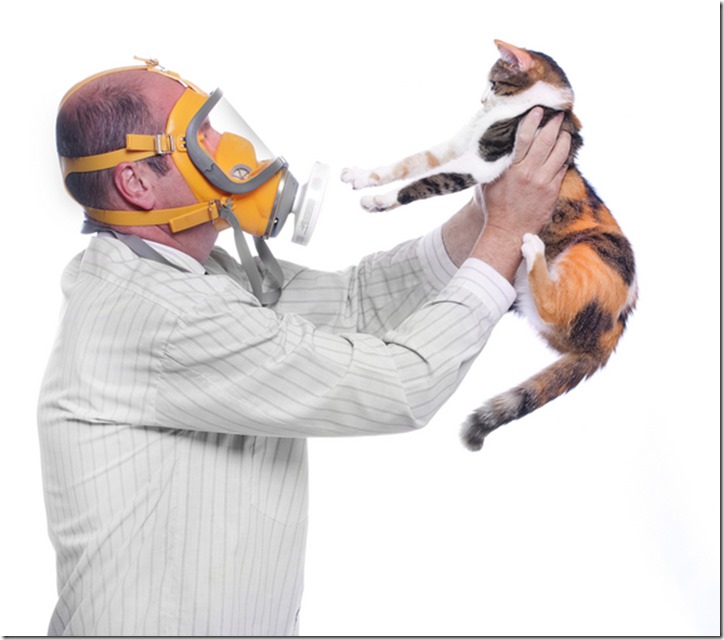
If anytime after petting your cat or dog you begin to have a running nose, you sneeze or wheeze, the likely explanation is that you are allergic to the pet. A pet allergy has the effect of causing constant allergy symptoms at school, work, or other indoor environments; even without the pet being around.
As much as you may have a pet allergy, the benefits of owning a pet may outweigh these drawbacks.
Be aware of your pet allergies
My advice would be you go to a doctor and ask him or her to test you so as to be sure of the actual allergies that you have. Don’t be surprised when you are told what you after allergic to is a different thing and not your pet. For example, you may be of the opinion that allergic reactions in you are triggered by your beloved dog. After a test is done, it is realized that all that is caused by a tree pollen grain that fell on the fur of the dog as you were walking together.
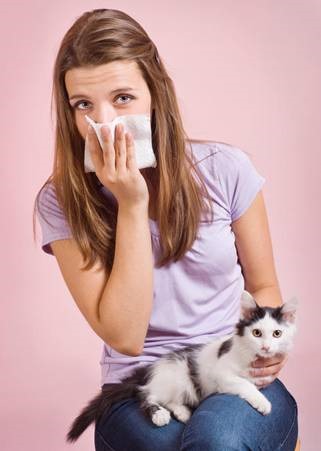
After the test is done and you are found to be allergic to your pet, get to know the reason for the allergic reaction towards them. Allergens are allergy triggering proteins located in the saliva and skin glands and fur. These will then find their way to the clothing, carpets and walls.
Different allergic individuals have unique ways in which they react to the allergens. Some have just mild sniffing and sneezing while others will experience life-threatening asthma. The reaction even gets more extreme when the person comes across other allergens that do not go well with them. For example, cigarette smoke, pollen, mold and dust mites will elevate the pet allergy.
Someone producing an allergic reaction is wholly dependent on that person as well as the pet. If the fur is your problem, you may as well be fine with a pet whose hair is soft and constantly grows.

Reducing the allergens
If you have none life-threatening reaction to your pet, it is possible for you to counter the indoor allergens as well as the symptoms to let you two live a good life together.
You can use the following measures to reduce the symptoms:
1. Establish a zone in your home that is ‘allergy-free’ – The most preferred is the bedroom to the allergic person and be sure that the pets do not have access to it.
2. Utilize HEPA air cleaners all over the house and keep off from furnishings that can catch dust. These could also be curtains and clothes. Frequently clean, thoroughly removing any dust in curtains, couch covers, pet beds and pillows.
3. Bathe your pet after each week –
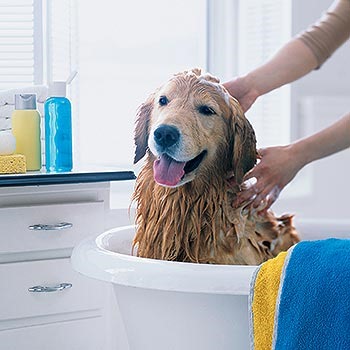
This lowers the allergy-causing dander content. Cats will with time love being bathed but my advice is you make use of products specifically for that matter. Confirm with your veterinary doctor or you can as well get detailed explanation from the pet care directions.