Musical Cats
September 19, 2016 · Updated September 1, 2026
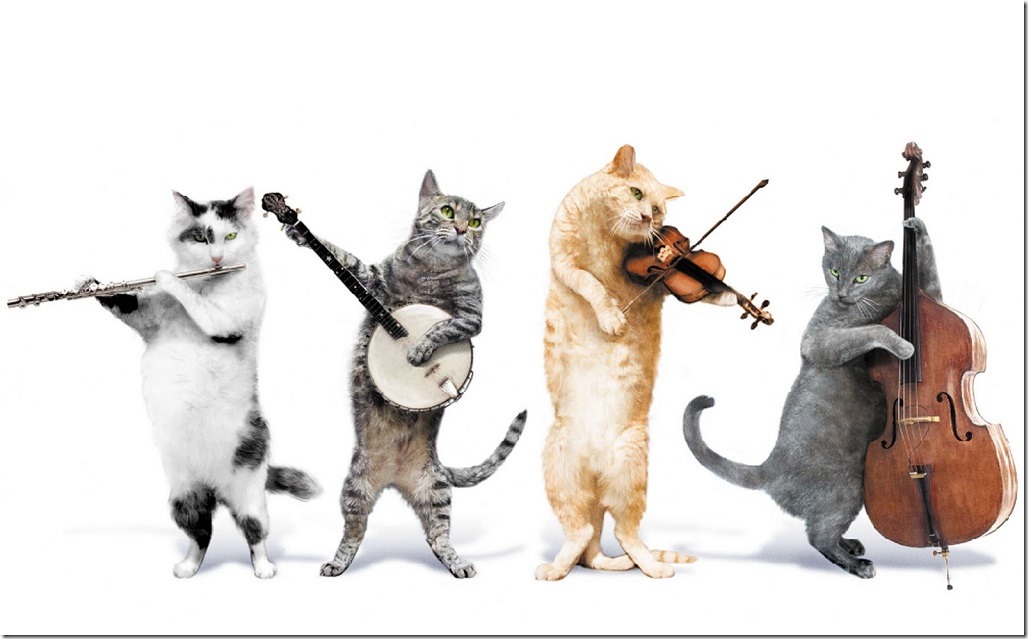
Many cat owners will swear their cat reacts to music, and there is something to it. Cats clearly respond to sound, and research suggests that calm, quiet music can help some cats relax, while loud or sudden noise tends to unsettle them. A few composers have even written music designed around the sounds cats themselves make. How much cats actually "enjoy" music the way we do is still an open question — but watching how your own cat responds is half the fun.
Music Appeal:
Sensitivity to sound is nearly universal in animals, and cats are no exception. A cat startled by a loud, harsh noise will look wary and alert, while the same cat may settle comfortably in a room where soft, gentle music is playing. Some researchers think the sounds animals respond to best are the ones closest to what they hear in nature — heartbeat rhythms, birdsong, the pitch of their own vocalizations. That is speculation more than settled science, but it fits what most owners observe: calm surroundings make for a calm cat.
Superior hearing powers:
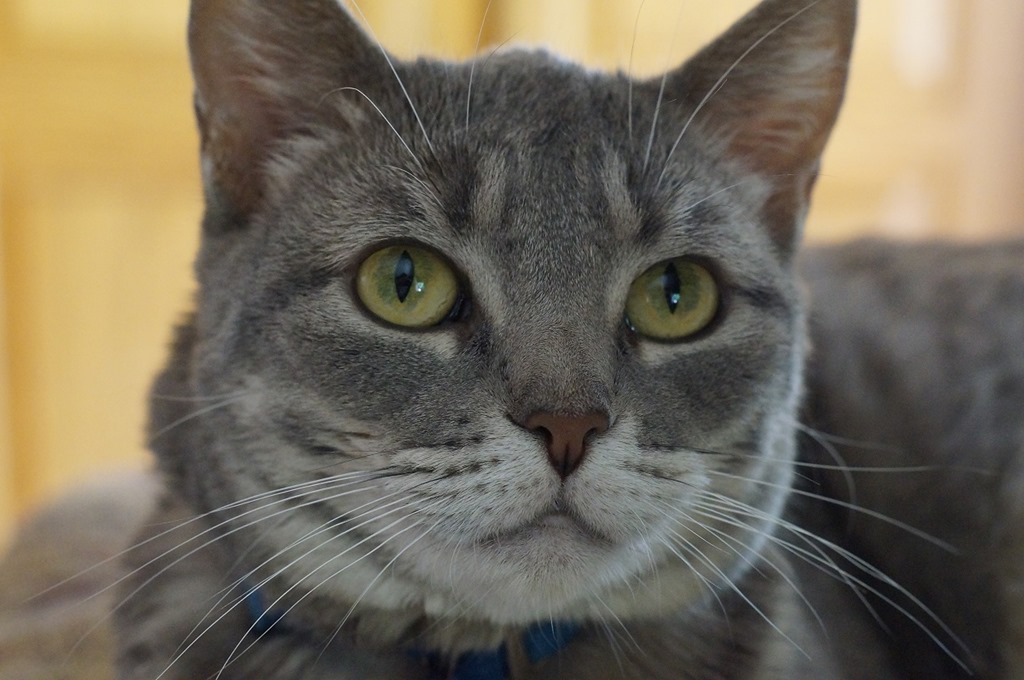
Cats have remarkable hearing — far more sensitive than ours, and extending well beyond the human range, especially into high frequencies. They can pick out faint sounds at a distance and detect tiny variations in pitch that we would never notice. This is worth remembering whenever you play music around a cat: what sounds like a comfortable volume to you can be genuinely loud to them. Keep the volume low, and let your cat choose how close to sit.
Kittenhood Love:
A kitten's early weeks shape how confident it will be around the sights and sounds of a household, so a calm, gently varied sound environment is a good thing for young kittens. Whether a specific melody heard in kittenhood leaves a lifelong imprint, the way a childhood favorite song does for us, hasn't been established — but raising a kitten around quiet, everyday sounds rather than sudden loud ones is genuinely good for its nerves.
Favorite Cats Songs:
Every cat is an individual. Some seem soothed by soft classical music, some perk up at certain sounds, and plenty ignore music altogether — all of that is normal. The best guide is your cat's body language: relaxed posture, slow blinks, and settling down nearby are good signs, while flattened ears, a twitching tail, or leaving the room mean the music isn't a hit. If your cat walks away, let it — and turn the volume down.
Cat Tunes:
Some researchers have explored "species-appropriate" music for cats — compositions built around the pitches of feline vocalizations and the tempo of purring — and early studies suggest many cats respond to it more than to human music. Some shelters and veterinary clinics also play soft classical music to help keep their animals calm. If you want to try music for your cat, the recipe is simple: something quiet and gentle, played through a speaker in the room.
One important safety note: never put earphones or headphones on a cat. A cat's hearing is far more sensitive than ours, so sound delivered directly into the ear canal can be distressing or even harmful, and the gear itself — pressed against the ears and restraining the head — is stressful for the cat. Room speakers at low volume, with the cat free to leave whenever it likes, are the only appropriate way to share music. And keep in mind that music is a pleasant extra, not a treatment: if your cat seems withdrawn, anxious, or otherwise not itself, talk to your veterinarian, because changes in behavior can be a sign of illness.