How To Keep Your Dog Safe From Heat Stroke
August 2, 2019
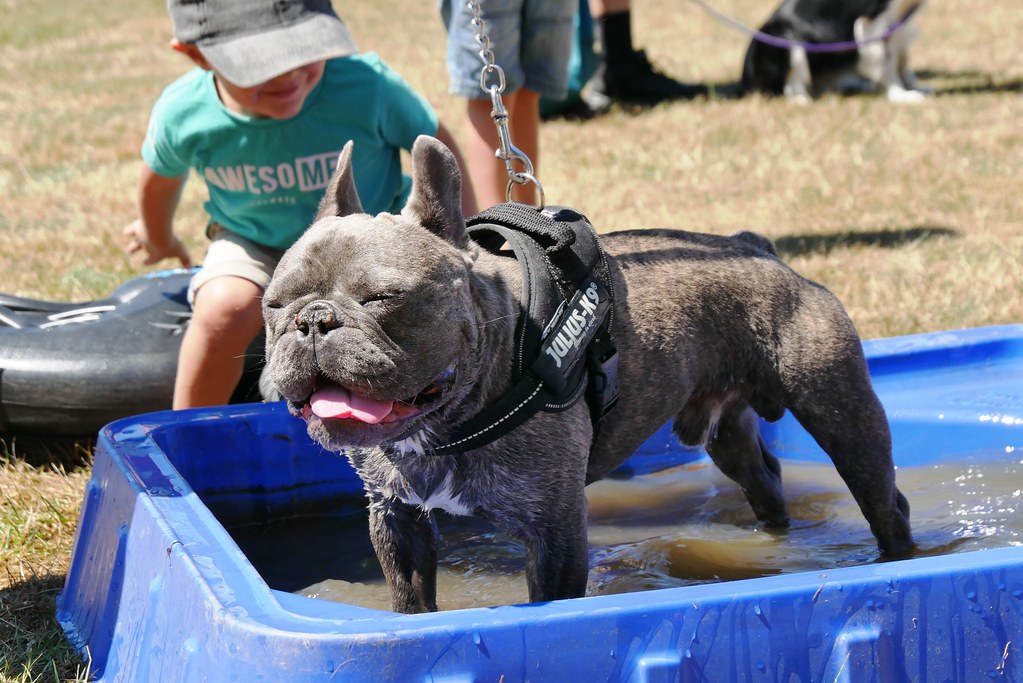
In these unbearably hot summer days, it’s important to take the right precautions to protect your dog from sunburn, dehydration, heat stress, and burns to their foot pads.
Your best bet is to avoid the heat of the day and walk your dog in the early hours of the morning and later at night after the sun has gone down. Always check the weather forecast before you set out and if there is a heat warning, limit the amount of time your dog spends outdoors.
If your dog has access to your back garden during the day, provide them with a shady spot to take refuge and plenty of water to keep them hydrated. A splash pool is always a good idea. Never leave your dog alone unsupervised when they’re outside.
How to recognize the signs of heat exhaustion
Heat exhaustion or heat stress is the precursor to sun stroke, which can have dire consequences. Pay close attention to your dog and make sure they’re not over-exerting themselves when the temperatures are raging hot. Playing ball, throwing sticks, or running after a frisbee will only increase their core body temperature. So play it cool and keep activity to a minimum.
If your dog becomes overheated, they will exhibit the following symptoms:
- Rapid panting with a wide, protruding tongue
- Ears will become very red and hot to the touch
- Eating grass and vomiting
- Diarrhea
At this stage, you’ll need to act fast and get your dog into a cool, air-conditioned, darkened room where they can rest. Provide them with plenty of fresh, cold water, and consider placing them in a cool bath to reduce their body temperature.
What to do if your dog has heat stroke
Heat stress can quickly develop into heat stroke, which can have life-threatening consequences. Your dog is not well-equipped to deal with the heat. Panting is the only way they can cool themselves down, as they have no sweat glands, and it is not always that effective.
When their internal body temperature soars to 106 degrees, you must take them to the vet immediately. Signs to watch out for include:
- Weakness and confusion
- Bright red tongues and gums
- Excessive panting
- Vomiting and diarrhea
- Dizziness and fainting
At this stage, your vet will work quickly to reduce your dog’s body temperature and restore essential electrolytes. In severe cases, heat exhaustion can cause organ failure and death.
Dogs who are most at risk are senior and overweight dogs, as well as those smooshy-faced pups we all love so much.
Always be careful when walking your dog on hot pavement, which radiates the heat and increases the actual temperature. Dogs can be susceptible to foot pad burns if allowed to walk for too long or left standing on the sidewalk for extended periods. Also, avoid using a muzzle on your dog in hot weather as they won’t be able to pant and cool themselves down adequately.
When temperatures soar above 30 degrees, you need to take extra care and protect your dogs from high heat and sun stroke.