How To Prevent Feline Diabetes
January 20, 2021
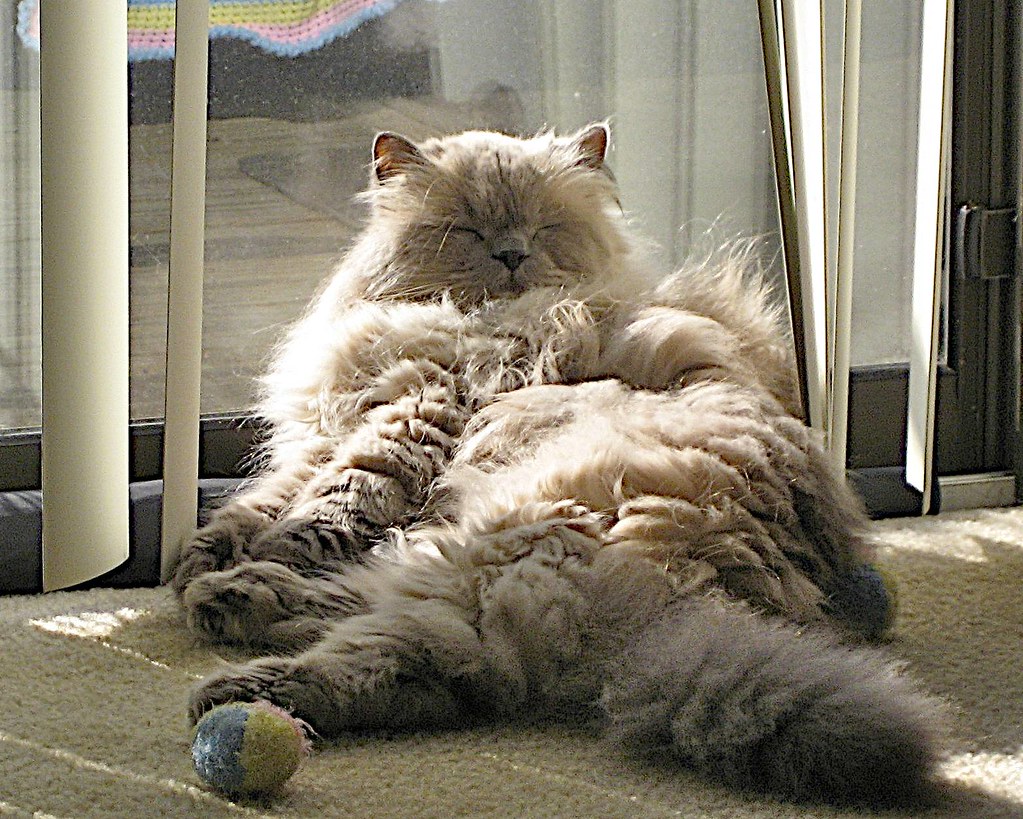
Type 2 diabetes is the most common form of the disease found in cats, dogs and humans. Food and diet play a major role in the cause and effect. Let’s take a look at the ways you can prevent feline diabetes in your cat.
The preventative measures for Type 2 diabetes in cats are much the same as the treatment. Diet, exercise and quality of life are equally important in any creature’s life and the secret to a long and healthy life.
Prevention Tips for Feline Diabetes
A meat diet is best
As a meat-loving animal, your cat does best with a high protein and moderate fat diet. Carbohydrates are hard for your cat to digest due to a lack of some of the necessary digestive enzymes.
Most veterinarians will recommend canned food over dried kibble, as it is more of a nutritionally balanced meal. Canned food is also low in carbohydrates and that’s good for your cat’s health, as well as their waistline. Always make sure to read the label; not all cat food is equal in nutritional value.
Portion control
Calculating how much your cat needs to eat in the course of a day is an important step in preventing feline diabetes. An overfed cat is at a higher risk of developing diabetes and other diseases.
Obesity is the primary cause of diabetes and is something that can easily be prevented with portion control. Read the food label, so you know how much your cat should eat in a day.
Limit kitty treats
How much you feed your cat daily includes the number of treats you give them too. Factor these into your cat’s caloric intake and limit the amount of carbohydrate-based treats.
Weigh your cat weekly
The only way to figure out how much your cat needs to eat per day is to find out how much they weigh. Your cat’s weight can fluctuate during the week, so plan to weigh them the same time of day each week so you can stay on top of their daily nutrient intake.
Exercise and play
Getting enough exercise and injecting a few play sessions into your kitty’s day will help improve their quality of life. Exercise is good for their waistline and will help to keep them young. Exercise is also known to relieve stress too and can improve the mental health of your cat.
Bottomline
Many factors contribute to diabetes, such as how much your cat eats, how much exercise they get, what kind of climate they live in, genetic factors, their metabolism, and their general state of health. Regular veterinary check-ups, including annual blood and urine tests, is a good way to stay on top of your cat’s health and keep kitty in tip-top shape.