Human Food That Can Seriously Harm Your Dog
May 26, 2015
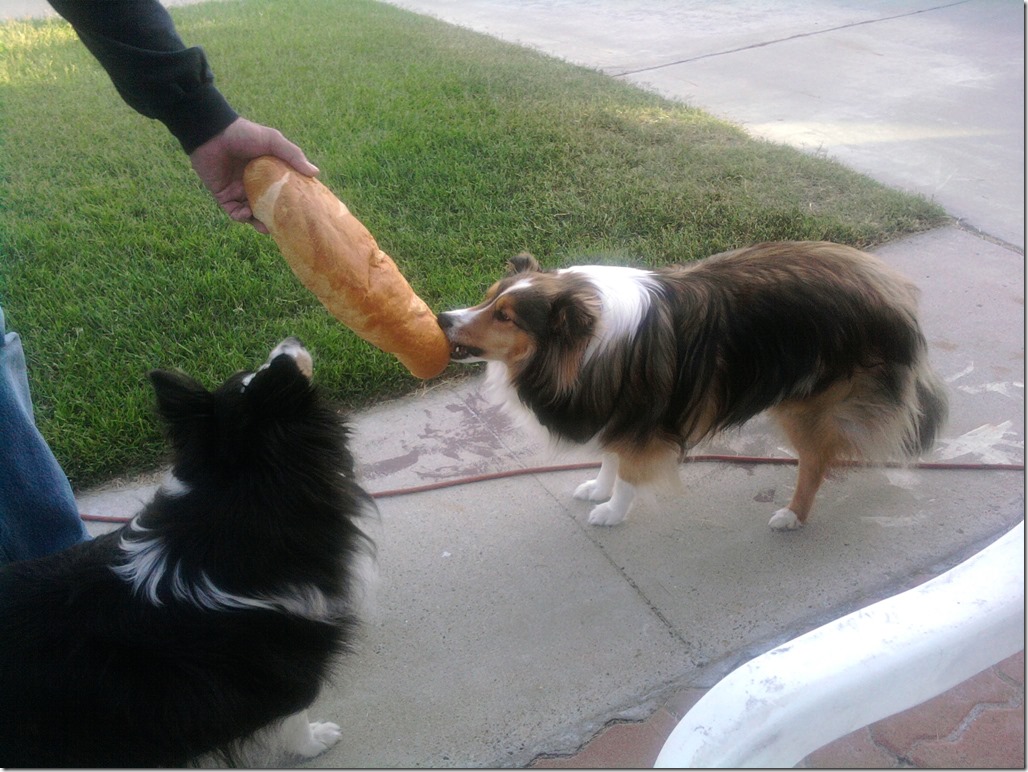
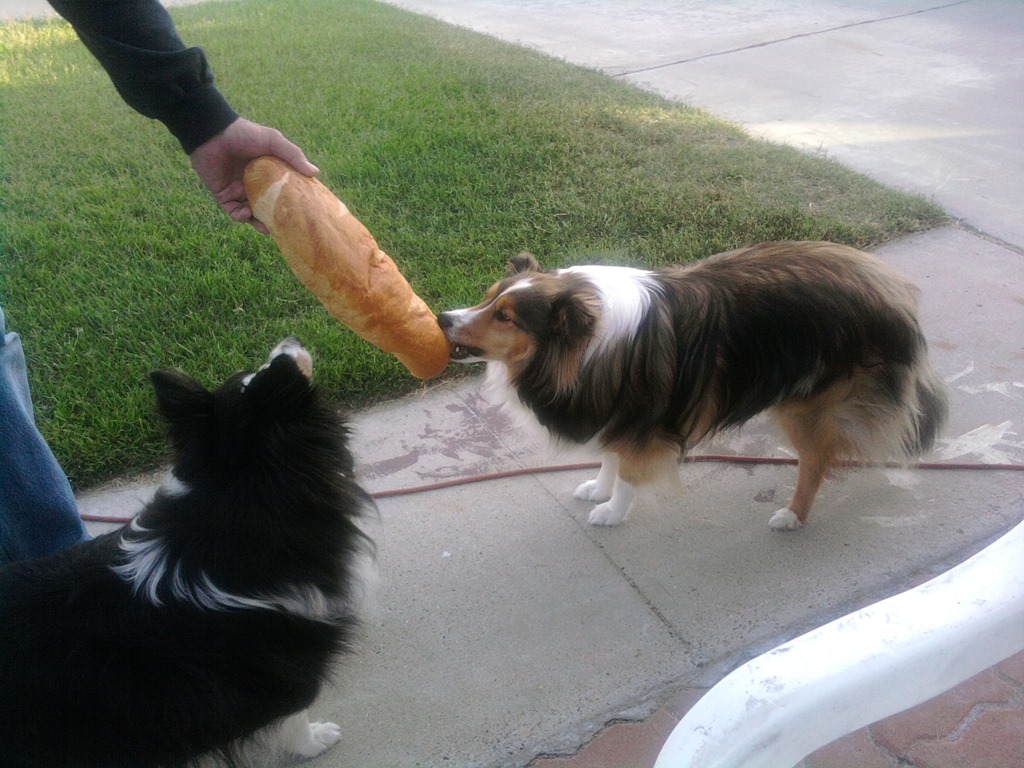
It can sometimes be hard to resist your adorable pup's big, wide eyes when you have food in your hand. Your dog gives you so much joy that you can't help but give him a scrap of food here or there. If something drops on the floor while you're cooking, why not let the dog have it rather than throw it away? However, there are quite a few human foods that can do significant harm to your pooch, and some even cause death. Before feeding Fido your table scraps, take a second to look at this list and be sure you aren't feeding him anything that can do any damage.
Onions, garlic, and their relatives:
Foods in the genus Allum are generally layered, strongly-flavored bulb vegetables, including onions, garlic, chives, leeks, scallions, and shallots. Foods in this category can damage dogs' red blood cells, resulting in anemia. Most of the symptoms of anemia are a consequence of reduced oxygen transportation around the body: lethargy, muscle weakness, depression, fur thinning, and many others. Symptoms can arise from feeding your dog a lot of Allum veggies at once or just from giving them a little bit over a long period of time.
Avocados:
All parts of the avocado plant contains a toxin called persin, which is toxic to both cats and dogs. While persin is not toxic to humans (except allergic individuals), it can cause severe vomiting and diarrhea in our furry friends. If you grow your own avocados, make sure to keep your dog away from the leaves, bark, and fruits.
Grapes and raisins:
We're not sure why, but grapes and raisins cause kidney failure in canines. They may seem like a good reward treat while you are training, but stick to something prepackaged instead. Even small amounts of grapes can cause this reaction.
Many fruits cores and pits:
On that note, fruits in general are not good for your puppy. The fruit itself can cause diarrhea, but the cores, seeds, and pits of fruits such as apples, peaches, and plums contain cyanide, which is poisonous to both dogs and humans. What's more, the seeds can get lodged in dogs' digestive systems and cause blockages. Keep your furry friends away from your fruit trees, as fruits can drop to the ground and seem like a good snack to your pooch.
Dairy:
Like most humans on our planet, dogs are lactose intolerant. Cheeses, yogurt, and milk can cause GI upset like diarrhea (not to mention some smelly gas) and itchiness from dry skin. Though dairy is not toxic to dogs, it is best to help them avoid discomfort by avoiding milk products altogether.
Macadamia nuts:
Like grapes, macadamia nuts can cause toxic reactions even with the smallest amounts.
Chocolate and Caffeine:
Chocolate is the best-known human food that you should not give your dog. Compounds in chocolate can cause vomiting, diarrhea, abnormal heartbeat, seizures, and death. Caffeine, found in chocolate, coffee, and tea, will cause all the same symptoms of caffeine jitters that it does in humans, but magnified.
Alcohol (especially beer):
If you think a human hangover is nasty, then don't inflict a similar fate on your dog. Because dogs are much smaller than us, it takes them a smaller amount to feel the effects. While us humans drink alcohol intentionally for the reduced inhibitions, dogs don't understand what is going on and can become confused. Beer should be particularly avoided, as the hops used to make it causes a toxic reaction in dogs, even in small doses.
Some animal bones:
Cooked chicken bones can splinter and get lodged in dogs' gums or puncture their digestive systems, causing severe bleeding and pain. Never, under any circumstances, give your dog chicken bones, even if “you've done it before and nothing happened”. Take care with other types of bones as well. Pork bones can splinter, though they are more likely to cause diarrhea and gas. If you do want to give Fido a treat, the best option is a raw beef bone. Raw bones are less likely to splinter, and beef can be consumed safely in raw form, so long as it has been handled properly.
Raw fish and eggs:
Raw eggs and fish can house bacteria and parasites that can be fatal to dogs. With the exception of the beef bones above, don't feed your dog any raw foods you wouldn't eat yourself.
With all this in mind, what is a healthy, safe way to prepare homemade dog food?
You can make safe dog food at home with no preservatives. Keep in mind that dogs are omnivores like us, meaning they require both plants and meat in their diet. A mixture of veggies like carrots, peas, green beans, and squash with cooked chicken or fish in a base of rice or baked potatoes is a good, well-balanced meal for your dog. Toss the ingredients with some chicken or beef broth, and you've got Fido's dinner for a week!