Keeping Your Pets Safe From Coyotes
September 10, 2021
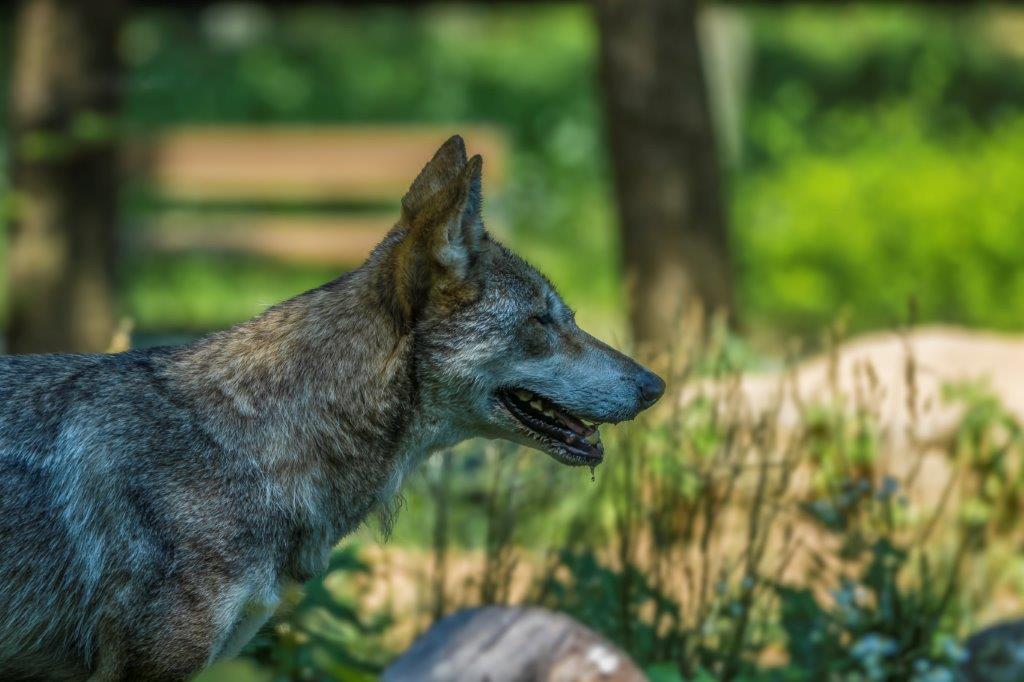
A disturbing report of a recent coyote attack in Scarborough has residents in the GTA on high alert. With it comes a lesson for everyone living in the GTA on what to do when you see a coyote.
The problem with this particular coyote sighting was the wild canine fought back. A 10-year-old girl from the St. Clair and Warden area of Scarborough was walking her Yorkie named Macy on their usual walk around the neighbourhood first thing in the morning. The coyote in question started following the pair, which alarmed and frightened the little girl. According to CTV news, the girl did what she thought was the best thing to do: she ran.
Running triggers hunting instincts
Rule number one in protecting yourself from wild animals is, do not run. Prey animals like coyotes stalk their prey and are excited by the chase of the hunt. Running triggers this natural instinct in coyotes and dogs too, who will naturally chase after anything that moves. The Scarborough girl had no choice but to run for safety as her yells and screams had no effect on the coyote.
Make loud noise to scare critters
Rule number two when you encounter a coyote is to make as much loud noise as possible. The trouble is, this particular coyote was not afraid. So used to and protective of his territory, he prowls around like he owns the neighbourhood. This raises another issue: Why are coyotes getting more bold and brazen?
Should residents be afraid?
According to Coyote Watch Canada, coyote sightings are becoming more and more regular in metropolitan areas as more residential areas take over wild space. But the important factor is that residents are either intentionally or unintentionally feeding these coyotes.
What might seem like an infestation of coyotes is likely just one family of canines, which can consist of as many as nine coyotes, that move into a neighbourhood for the abundance of food. While you might think you’re seeing a bunch of coyotes, it is in fact the same animal or family of animals.
Don’t feed the animals
Just like pesky raccoons that raid our garbage cans every night, food waste attracts small animals like squirrels, rabbits and mice that in turn attract coyotes. Yes, even bird feeders can pose a threat. What residents need to be especially aware of is not leaving food out, picking up food from backyard parties and barbecues, as well as in the parks, and of course, securing garbage cans.
The coyote involved in the attack just so happens to be tagged and part of a study of coyotes living in residential areas, Nathalie Karvonen, executive director at the Toronto Wildlife Centre, told 680 News. Authorized by the Ministry of Natural Resources, this study and other coyotes like this one proves that coyotes are being fed from within the community:
“The thing that we have been really concerned and upset about for a long time is that this coyote, and others in the area, are being fed a lot – all the time,” Karvonen says.
There are those who are inadvertently feeding coyotes by leaving food and waste outside within easy reach and then there are the nature lovers who purposefully leave out food for wildlife. By-law is powerless to enforce any laws against feeding wildlife, but you can do your part by keeping your gardens free and clean of tasty morsels.
Capture and release is not an option
Macy the Yorkie suffered extensive injuries trying to defend herself and her owner from the coyote. She had to undergo surgery but is recovering nicely. Despite the happy outcome, there is nothing by-law can do in this situation. If the coyote had attacked a human then it would be caught and euthanized. But attacking a small dog, in their eyes, is a natural instinct.
While it might seem more humane to relocate the coyote, this is not possible due to the territorial nature of this pack animal. If the coyote was captured and released in a more natural environment, it would surely be attacked and killed by the resident coyotes protecting their territory.
Residents need to be more vigilant. If you have a backyard, make sure you keep small animals safe and never leave them outside unsupervised. Coyotes are more active at dawn and dusk, so those times of day are best avoided for being outside. If you do see a coyote in your neighbourhood, you can report it by calling 416-338-PAWS (7297) or email animalservices@toronto.ca.
You can find more information on how to coexist with coyotes at Coyote Watch Canada.