New Ways To Curb Cat Allergies
May 1, 2021
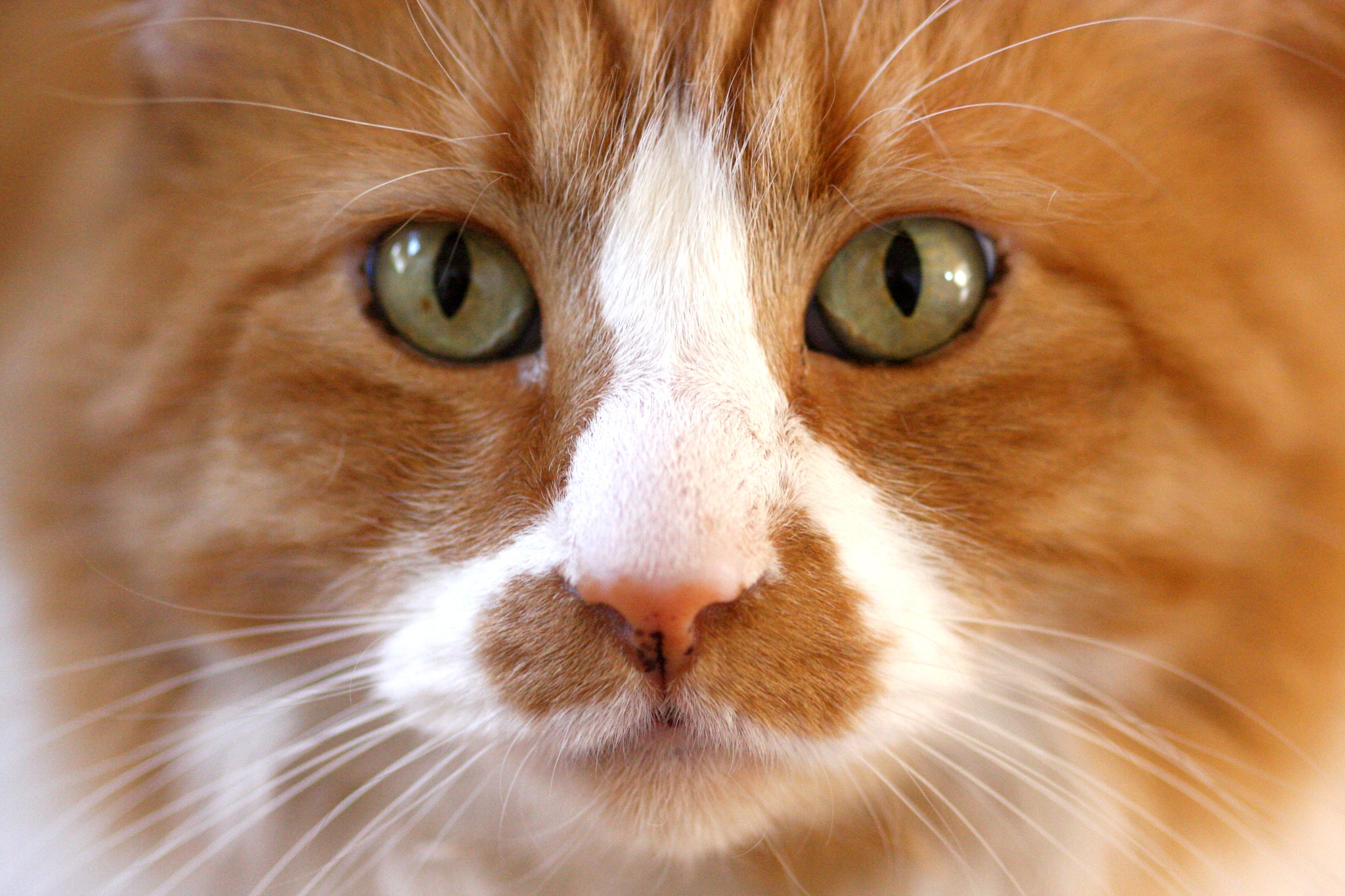
If you’re one of those unfortunate people who love cats but are allergic to them, or perhaps there’s a new member in your household who is allergic to your cats, there is hope on the horizon.
Allergies to cats is one of the top reasons these poor felines find themselves in animal shelters. According to the American Society for the Prevention of Cruelty to Animals, 3.2 million cats are surrendered to animal shelters every year.
But science thinks it has found a way to treat your cat so that they basically become hypoallergenic. One group of scientists are developing a vaccine for your cat, while another from the Purina labs is working on a hypoallergenic cat food.
Let’s take a look at the science to understand this a bit better.
The Cause of Cat Allergies
Worldwide, about 1 in 5 people will experience an allergic reaction to cats. Even being next to someone who has a cat can trigger allergy symptoms in some people. But it’s not your cat’s fur that makes you sneeze, it’s a protein found in cat’s saliva and oil glands that causes the problem.
This protein has been identified by scientists as “Fel d1”. Your cats need this protein to keep their coats and skin healthy. When they groom themselves, your cat will lick its fur, coating it in the Fel d1 allergen. This helps to condition the fur and skin and protect it from the elements. As we all know, cat hairs can get everywhere and when they do, they act as transport carriers for the allergen to spread. As a result, someone who is allergen-sensitive will experience an inflammatory response.
It is the glycoprotein Fel d1 that science is interested in targeting to help reduce allergy symptoms.
Cat Allergen Vaccine
According to one study out of Switzerland that was published in the Journal of Allergy and Clinical Immunology in 2019, cats who were vaccinated with an experimental vaccine called HypoCat showed lower levels of Fel d1 in their blood. The vaccine binds to the Fel d1 allergen, thereby neutralizing its effects.
When the allergen-sensitive human test subjects were introduced to the vaccinated cats, they showed reduced allergic symptoms compared to the cats who had not received the vaccine.
"Both human subjects and animals could profit from this treatment because allergic cat owners would reduce their risk of developing chronic diseases, such as asthma, and become more tolerant of their cats, which therefore could stay in the households and not need to be relinquished to animal shelters."
Based on this research, the pharmaceutical company responsible for developing the vaccine plans to launch the product on the US market by 2022.
Cat-Allergy-Reducing Cat Food
Purina pet foods has beaten the pharmaceutical companies to the punch with their release of ProPlan LiveClear cat food that promises to:
“Reduce allergens on cat hair and dander by an average of 47%, starting from the 3rd week of daily feeding.”
According to a Purina study from 2019 that was published in the Journal of Feline Medical Surgery, the food contains an egg product ingredient that can neutralize the Fel d1 cat allergen.
It works on the same principle as the HypoCat vaccine, targeting Fel d1 and reducing the amount found in your cat’s saliva.
The study reports 86% of cats showed a minimum 30% reduction from the baseline Fel d1 levels.
Purina stress that feeding your cat an egg diet is not recommended nor would it be effective in reducing the allergen.
Of course, these allergy remedies are somewhat controversial and may not be viewed favourably by all cat or animal lovers. Tampering with your pet’s biology just so you can breathe easy might seem like a drastic and inhumane measure. On the other hand, it may help to reduce the number of cats surrendered to cat shelters each year, and it can certainly help with minimizing long-term health risks caused by allergies. You be the judge.