The New Face of Pet Therapy
May 16, 2016
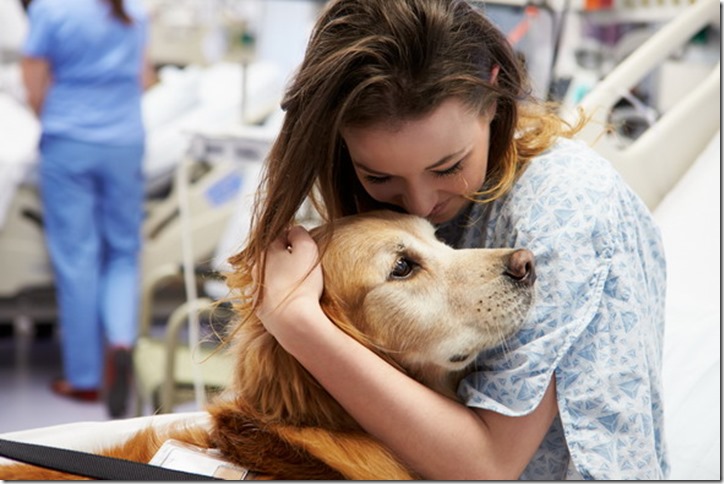
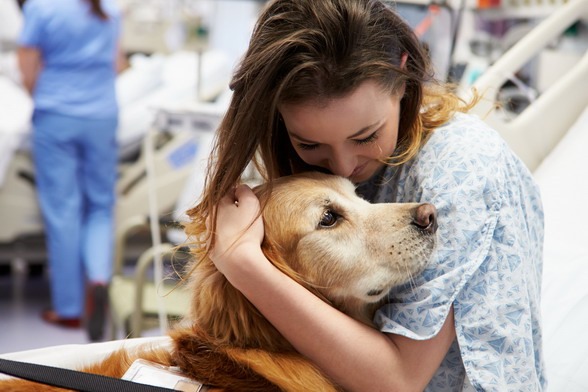
We cannot deny the fact that many people have a deep, complex relationship with the animals. For some people, their spirits are lifted by the sight of an adorable animal. Others get relaxed and rejuvenated after interacting with a pet like a rabbit, cat, dog or horse.
We are slowly moving away from the traditional perception of therapy and starting to involve the pets in a more innovative way.
What is pet therapy?
Pet therapy or animal therapy can be used interchangeably. The terms date as back as 1977 when Delta Society was established. This is an organization that focuses on improving the human health basing on animal-assisted therapy.
Therapy sessions are usually conducted by a specialist who will oversee the manner in which the patient and animals interact. Two types of animal therapy are in existence: animal-assisted therapy (AAT) and animal-assisted activity (AAA).
With AAT, the therapy session aims at a goal and an animal is incorporated. For instance, a dog may assist a patient cut on weight in a physical therapy setting. In this case, the patient goes through number structured activities that involve movement.
AAA can be considered to be casual in which a “meet and greet” environment is encouraged. The therapy pets will be with the patient either for a short or long time. The idea here is that love is promoted by the animal while letting the patients have time to keep their minds off treatment.
Non-Traditional therapy
Animals are being used in various types of physical therapy, psychotherapy and crisis response. The idea is not just all about utilizing a dog to comfort the patient.
For example, cats and parrots are being used for the patients who have signs of aggressions and have issues with controlling their impulse.
Equally, large animals are being brought into the therapy sessions. For troubled teenagers who are not able to control their behavior, horses are helping them out. Large animals are known to give kids self esteem. In addition to this, they get to control their emotions in an aim not to ‘spook’ the horse.
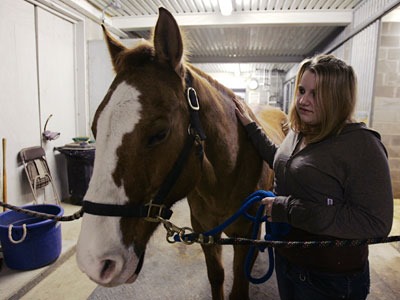
Even the calm people who are going through stressing times are being helped by these animals.
The court rooms are also making use of these non-traditional therapy sessions. For instance, some people get upset when they have to stand up and testify against someone who wronged. This happens mostly when the people are physically present. Pets have been shown to calm them down.
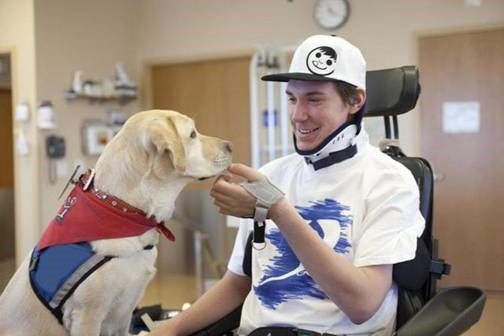
Therapy dogs have been brought on board to help out in the crisis relief efforts. After the 9/11 attacks, social workers realized that the affected were able to respond when a therapist approached them with a dog. The dogs would act as a bridge between the person and mental health professional.
As much as various animals are being used in the therapy work, dogs are still the most common. Some of the reason for this includes portability and adaptability. Introducing them to numerous settings has become an easy thing.