What Can I Do For My Senior Dog?
August 13, 2019
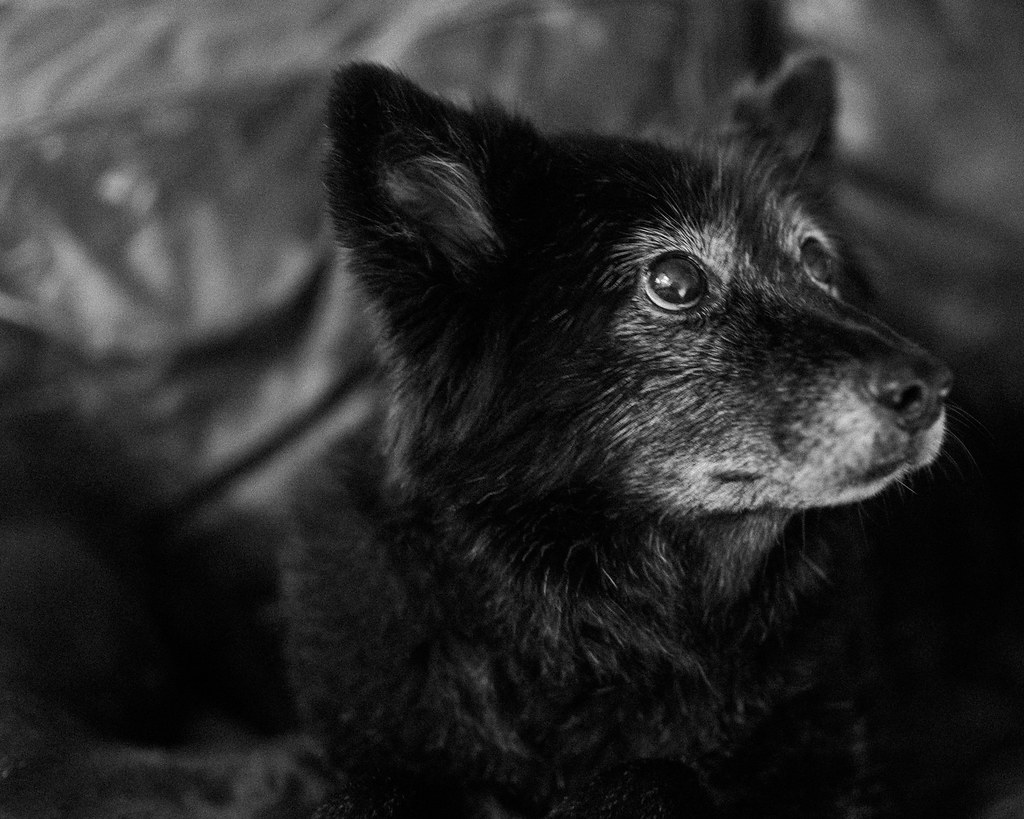
Once your dog gets past a certain age, you’ll start to notice they’re starting to slow down a bit. When that happens, it’s time to take another look at their healthcare plan and consider what changes you need to make to their diets and exercise.
As dogs age, they’ll experience physiological and mental changes much the same as humans do. They’ll start to go grey, particularly around the face, their joints will become stiff and possibly painful, and they could experience unwanted weight gain.
So what can you do?
To keep them healthy and happy well into their golden years, consider changing their dog food. Older dogs need less protein and extra nutrients like Omega-3 (EPA and DHA) from fish oil for joint health and cognitive function. Here are a few other helpful suggestions:
Reduce amount of food to avoid weight gain
With slower metabolisms as they age, your dogs will need fewer calories at the dinner table. Many healthy senior dog food brands offer appropriate calorie counts and nutrients for you aging pup, so find the one you trust. Older dogs need extra fibre, fewer calories, and nutrients like Glucosamine Chondroitin for healthy joints. Feed them more water and make sure the food you choose is low in sodium and free of fillers like cornmeal.
Change their exercise habits
If your dog loves to play fetch and chase after a ball for exercise, make sure he’s not running at full tilt to avoid sharp twists and turns, and possible stress to knees and hips. Keep your walks short but perhaps increase the frequency. Senior dogs can experience weak bladders and with the extra water and fibre in their diets, they’ll need to go out more often. Walks will also slow down as it will take them longer to warm up at first.
Protect aging joints
Investing in a roomy, soft, cozy new dog bed is a lovely way to show your dog how much you care for them. They’ll love the extra cushioning and experience less discomfort while sleeping or lying down. If mobility and joint health become an issue, get a ramp for ease of getting in and out of the car, as well as up on the furniture (if that’s allowed in your house!)
Compensate for failing eyesight
Senior dogs often develop cataracts and have extremely poor eyesight. This will make maneuvering your place increasingly difficult. Try not to make any radical changes to the layout of your living quarters, but consider clearing a path for ease of mobility. Older dogs can become senile and get stressed out by sudden changes to their environment. This can include bumping into walls or misplaced furniture. It can help a great deal if their living environment is easily accessible and safe. Baby gates are a good idea around stairs.
Lastly, make sure your senior dog receives regular veterinarian check-ups so you can stay on top of their healthcare needs.
Sources: